Sleep-Optimizing Edibles: Core Concepts
How edibles affect sleep architecture
Across South Africa, the night hums with different quiet, and the right edible can tune that rhythm. Understanding what edibles are good for sleep helps map a calmer path to dawn. A SA sleep expert calls rest “the compass that guides the dawn.”
Edibles travel through the endocannabinoid system, nudging brain signals that govern how we drift into slumber and how we traverse sleep stages. In broad terms, they can affect onset, continuity, and the balance between REM and non-REM—the architecture that shapes dreams and repair. This is why many ask what edibles are good for sleep.
- Endocannabinoid engagement and arousal modulation
- Impact on REM vs deep sleep in general terms
- Individual variability and entourage effects
Ultimately, the journey into sleep options is personal and poetic, a map rather than a rule. In South Africa, these edibles join a nighttime ritual that respects biology and curiosity.
Key cannabinoids for sleep (CBD, CBN, THC)
Across SA, one in three adults report sleep trouble. That reality makes the night’s rhythm worth protecting. When you ask what edibles are good for sleep, the answer hinges on balance, timing, and a gentle endocannabinoid nudge.
- CBD (cannabidiol): calming without heavy intoxication; supports smoother onset for many.
- CBN (cannabinol): often linked to longer periods of deep rest and steadier sleep cycles.
- THC: can speed onset but may alter REM; effects vary by individual.
These core cannabinoids shape onset, continuity, and the balance between sleep stages, allowing variation across individuals and tolerance levels. The story is personal and evolving, much like the night itself.
Terpenes that promote sleep (myrcene, linalool)
Across SA, one in three adults report sleep trouble, a quiet crisis that steals mornings and colors decisions. For those pondering what edibles are good for sleep, the answer hinges on balance, timing, and a gentle nudge from terpenes—chief among them myrcene and linalool.
Core concepts hinge on scent and signal: terpenes carve a path to calmer circuits without drowning complexity.
- Myrcene: a ripe, earthy note that can ease onset and invite a soft downshift into rest.
- Linalool: a light, floral breath that reduces tension and steadies the mind toward deeper, restorative phases.
The effect is intimate and personal, like a conversation between night and our instinct to rest; these compounds respect individual rhythms and tolerance, inviting patience rather than force.
Dosing guidelines for sleep aids
One in three adults across SA wrestles with sleep, a quiet crisis shaping mornings and decisions. So, what edibles are good for sleep? The answer isn’t a magic formula but a choreography of balance, timing, and a gentle nudge from the body’s own rhythms.
Sleep-optimizing edibles hinge on core concepts that respect individual biology. Dosing becomes a narrative of limits and gradual discovery, not high drama. Form likely to blend with your evening routine—preferring reliable onset, predictable duration, and a clear head upon waking.
- Balance over potency: align effect with the natural winding-down window
- Timing that respects onset and duration rather than chasing instant relief
- Formulation clarity: choose products with transparent ingredients and expected experience
Edible Ingredients to Look For
Full-spectrum vs isolate and why it matters
Across South Africa, a recent survey found that 62% of adults struggle to wind down before bed. So, what edibles are good for sleep? The answer lies in ingredients—the difference between full-spectrum blends and isolates, and the subtle entourage that guides rest.
To skim the scene, look for these hallmarks on the label:
- Full-spectrum blends that retain the natural entourage of cannabinoids and terpenes
- Independent third-party lab testing confirming potency and purity
- Minimal additives, with gentle carriers that support sleep without a restless aftertaste
Some blends read like a night poem—rich, balanced, and grounded in careful craft. When the right ingredients align, the body leans toward sleep with ease, and morning feels less like a surrender and more like a soft triumph!
Common sleep-friendly cannabinoids
In South Africa, 62% of adults struggle to wind down before bed—a quiet alarm that the night deserves a gentler welcome. If you’re asking what edibles are good for sleep, look for blends that balance aroma and calm, turning the hour before dreamland into a ritual rather than a rush.
Edible ingredients to seek include soothing botanicals and clean, simple carriers that feel natural and refined. The right combination reads like a soft night poem, never loud or abrupt.
- Sleep-supporting botanicals such as chamomile or lavender for a nuanced aroma
- Simple carrier oils that feel light and smooth on the palate
- Uncomplicated flavoring with non-artificial, naturally sourced notes
When these elements harmonize, the body leans toward rest with quiet assurance, and tomorrow arrives with grace.
Natural sleep-supporting ingredients (melatonin, valerian)
If you’re asking what edibles are good for sleep, picture a calm dusk, not a shout into the night. In South Africa, 62% of adults struggle to wind down before bed. Across South Africa, a banked sunset softens the mind and clears the day’s edge. The edge comes from natural sleep-supporting ingredients that ease the mind without waking the body. Look for melatonin and valerian as core signals of restfulness, supported by gentle botanicals that soften the palate and the moment.
Edible ingredients to look for:
- Melatonin: a familiar cue for the body’s clock, helping the transition to slumber.
- Valerian: a traditional calm-making root that nudges the mind toward quiet.
- Chamomile or lavender: fragrant, soothing notes that feel natural and refined.
In the blend, simple carriers keep the experience clean, smooth, and almost whispered—never harsh or abrupt.
Potential allergens and intolerances in edibles
South Africa’s sleep scene is restless: 62% of adults struggle to wind down before bed. If you’re asking what edibles are good for sleep, start with choices that respect allergies and intolerances while keeping the palate calm.
- Nuts (almonds, cashews, pistachios)
- Dairy (milk, whey, casein)
- Gluten (wheat, barley, rye)
- Soy (soy lecithin, soy protein)
- Sesame (sesame seeds)
- Cross-contact risk and may contain traces statements
Label clarity is key. Look for allergen statements, clear ingredient lists, and, where possible, products from facilities that separate sleep-friendly runs from common allergens. This mindful approach keeps your nights calm and your choices trustworthy.
Product Types That Work Best for Sleep
Gummies vs chocolates vs capsules
Nearly 60% of urban sleepers in South Africa report trouble nodding off at least a few nights a week, and the market responds with soothing choices. The right edible can act like a quiet lighthouse, guiding the night toward restful shores. Ready to drift ashore!
If you’re wondering what edibles are good for sleep, gummies, chocolates, and capsules each offer a different rhythm.
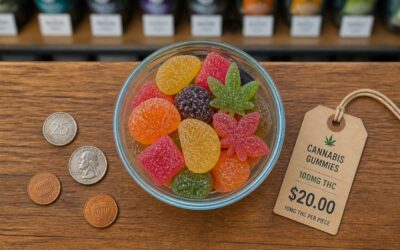
- Gummies deliver consistent dosing, quick onset, and a fruity, familiar profile.
- Chocolates melt slowly, with a soothing cacao aroma and longer-lasting relief.
- Capsules offer neutral taste and precise mg control, ideal for discreet winding down.
These forms fold into bedtime like different crescendos of a nocturnal symphony, letting your body choose its own tempo.
Nanoemulsified vs standard edibles (absorption)
When considering what edibles are good for sleep, in South Africa’s urban nights, the first note is absorption—it’s the conductor of the nocturnal orchestra. Nanoemulsified edibles break into the bloodstream with a whisper-quick onset, while standard edibles glide in on a slower, steadier tide.
For those who need to ease into slumber with a clear rhythm, nanoemulsified formats offer a tighter dosing window and more predictable timing. Standard edibles lend a longer comfort, carrying you through the night with a gentler, lingering glow.
- Nanoemulsified: higher bioavailability, faster onset, and precise mg control.
- Standard: longer duration, smoother peaks, familiar palate.
Choosing between them is a matter of tempo—do you crave a quick wink of sleep or a lullaby that lasts through the dark!
Timed-release edible options
Sleep is a nightly performance, especially in SA’s urban hum. Timing is the maestro. “Sleep isn’t a luxury; it’s a foundation,” observes a sleep scientist, and timed-release edibles set the tempo for a calmer transition into the night!
Product types that work best for sleep in timed-release form span capsules, gummies, and tablets designed to unfurl slowly. If you’re asking what edibles are good for sleep, look for products labeled delayed or extended release to steady the drift toward rest.
- Timed-release capsules
- Slow-dissolve gummies
- Delayed-release tablets
A clear rhythm emerges: predictable onset, steadier peak and a gentle closing chapter to the night.
Potency and serving size considerations
In SA’s urban hum, the right edible can be a lullaby. If you’re wondering what edibles are good for sleep, potency and serving size matter, because a calm night begins with measured starts. Timed-release options—capsules, slow-dissolve gummies, and delayed-release tablets—pace the night with a steady drift toward rest.
Product potencies vary, so the label is your compass. Look for per-serving mg, total package mg, and a release profile that matches your rhythm. For sleep-focused choices, the goal is predictable onset and a smooth descent into slumber, not a jolt or an unsteady wake.
- Potency per serving (mg)
- Total mg per package
- Release profile (timed vs immediate)
- Clarity of suggested serving ranges
Clear labeling helps readers navigate potency decisions and keeps the nighttime rhythm gentle.
Practical Sleep-Specific Edible Routines
When to take edibles for sleep
Around 30% of adults report sleep difficulties several nights a week, and South Africa isn’t immune to the sigh of the snoozer. When you ask what edibles are good for sleep, the answer favors rhythm over rocket science.
Practical routines with edibles hinge on a gentle wind-down: dim lights, a cool room, and schedules that respect your body’s tempo. You’re aiming for a calm descent into the pillow, not a caffeine-fueled sprint.
To keep things readable, try these cues:
- Align with your natural wind-down; a consistent bedtime helps the body’s calendar
- Craft a quiet, caffeine-free environment to reduce external stimulation
- Notice how different edible types feel, and invite patience into the evening
Ultimately, what edibles are good for sleep becomes a personal calibration—an intimate dialogue between dusk, your body, and a softly humming lamp.
Creating a wind-down ritual around edibles
In the hush between dusk and dream, a soft ritual takes shape. Understanding what edibles are good for sleep helps tailor a winding path that respects your tempo, not a sprint to oblivion. Let the evening thin its edges with a practiced ease, a seduction of stillness rather than urgency.
- Close the curtains and invite a calm, cool atmosphere to linger
- Mute alerts and reduce sensory input for the hour after dosing
- Notice the edible’s quiet signals and glide toward the pillow as they arrive
Let night compose itself around you, a library of shadow and breath, as South Africa’s evenings cool.
Combining with other sleep strategies (sleep hygiene)
Sleep works best when the hour itself slows down. A quiet hour can unlock deeper rest, and in South Africa’s cooler evenings that hush can become a ritual. Recent surveys hint that a gentle wind-down boosts sleep quality for roughly half of adults.
Understanding what edibles are good for sleep starts with a soft, patient approach. The routine blends personal tempo with sleep hygiene: a consistent bedtime cadence, calm surroundings, and awareness of how the edible’s signals arrive. Let the night gather you with quiet, unhurried momentum.
By weaving these elements into the SA evening landscape—cool air, dim rooms, and a steady breath—you create a mood where rest feels earned, not chased. The right edible choice becomes a gentle companion, framing bedtime as a chapter of stillness rather than a sprint.
Safety and avoiding sleep disturbances
SA evenings drift into velvet, and the question remains: what edibles are good for sleep? Pragmatic sleepers know routine is the gatekeeper of rest. A quiet wind-down, unhurried timing, and a modest, predictable dose help the body settle. Recent surveys hint that a gentle wind-down boosts sleep quality for roughly half of adults, turning the night from chase to chapter and letting dreams emerge like mist over the veld!
- Time dose 30–60 minutes before lights-out to align with your tempo
- Choose familiar, sleep-friendly formulations with low THC or CBD dominance
- Keep the sleep space calm: dim, cool, and free from noise
Safety first: avoid alcohol, start with the lowest effective dose, and store edibles out of reach to prevent late awakenings. Maintain a simple wind-down—dim lights, cool room, steady breathing—and track how you feel so tomorrow’s dose can be tuned without disturbance.
Buying Guide: How to Choose Sleep-Friendly Edibles
Third-party testing and labels
In South Africa, the quest for sound slumber begins with scrutiny, not sweetness. When selecting sleep-friendly edibles, transparency is king; seek explicit dosing, clear cannabinoid ratios, and trusted sourcing. Third-party testing is the north star—independent labs verify potency, contaminants, and heavy metals. A current Certificate of Analysis from an accredited facility should ride with the product, complete with the test date and batch number.
If you’re asking what edibles are good for sleep, use a simple label-reading checklist to steer your choice. Consider the following as your compass:
- Third-party lab results accessible
- Serving size and total cannabinoids stated
- Allergen and ingredient disclosure
With these signals, you’re less likely to drift off on a gust of guesswork and more likely to pick a dependable aid in the quiet hours of night.
THC limits and legality by region
When it comes to what edibles are good for sleep, the law is a lantern that guides choices. THC limits and legality by region shape the night market; in South Africa, sourcing from licensed vendors and keeping abreast of evolving rules is essential. A compliant purchase helps you sleep soundly without shadowy surprises.
- Regional per-serving THC limits
- Regional per-package totals and packaging requirements
- Age restrictions and authorized sales channels
Choosing with these guardrails in mind keeps your journey safe and aligned with local statutes while you chase those elusive dreamscapes.
Brand recommendations and red flags
The night market whispers in velvet shadows, and choosing what edibles are good for sleep becomes a ritual. In South Africa, a growing chorus of voices notes a third of adults wrestle with sleep, making discernment crucial. A sensible buying guide leans on transparent brands and stable formulations that align with your evening wind-down.
Brand recommendations surface when labels reveal third-party lab results, clear per-serving and total mg, accurate ingredients, and known allergens. Seek products with dosing clarity and avoidance of artificial fillers. Red flags include vague lab terms, inconsistent batches, and missing expiry dates.
- Unverified third-party testing
- Vague serving sizes or mg per piece
- Ambiguous ingredient lists or additives
- No expiry date or batch traceability
By steering toward licensed vendors, you keep the mood lit rather than shadowed.
Cost considerations and value
In South Africa, about a third of adults wrestle with sleep, turning price into a nightly reckoning. When evaluating what edibles are good for sleep, cost vs effect matters more than brand prestige. Look at price per milligram, bottle size, and how consistently a product disburses its dose as night falls.
- Cost per mg of active cannabinoids
- Serving size and total bottle mg for how many nights it lasts
Ultimately, what edibles are good for sleep hinges on value you can trust—stable formulations, predictable effects, and a price that aligns with outcome, not hype.



0 Comments