Overview of Edibles
What are edibles?
In markets where curiosity meets cuisine, a quiet statistic turns heads: edibles now account for roughly a quarter of cannabis product purchases in several regions, a signal that what edibles do goes beyond taste. This is not merely a trend; it’s a recalibration of timing, mood, and daily rituals.
Edibles are foods or drinks infused with cannabinoids, from chewy gummies to rich chocolates or zesty beverages. Unlike inhalation, the effects arrive when your body metabolizes the compounds, often taking 30 to 90 minutes and lasting longer. In South Africa, producers emphasize clear labeling and consistent dosing to respect the mind’s fragility and the body’s tempo.
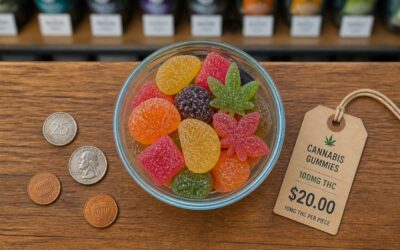
- Gummies
- Chocolates
- Beverages
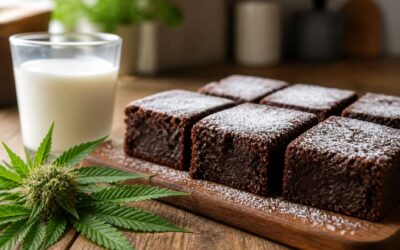
- Baked goods
Understanding this phenomenon invites a deeper patience, a moral awareness of how small doses ripple through memory, appetite, and sleep. The palate becomes a theatre, and timing, an unseen conductor!
How edibles differ from inhalation methods
When you consider what edibles do, timing mutates into a subtle, ritualistic art. In bustling markets and quiet homes alike, the question shifts from flavor to forecast, from quick cheer to patient relief.
Edibles are cannabinoids embedded in foods and drinks, and unlike smoking or vaping, effects arrive via digestion and liver processing, often taking 30 to 90 minutes and lasting longer. The experience is body-forward, with profiles shaped by dose, metabolism, and setting.
To navigate the difference from inhalation, consider these contrasts:
- Onset is delayed, building gradually rather than peaking instantly.
- Duration stretches beyond social moments, sustaining mood and appetite.
- Potency feels more variable, underscoring the value of cautious dosing.
In South Africa, producers emphasize clear labeling and consistent dosing to respect the mind’s fragility and the body’s tempo.
Common misconceptions about edibles
In SA kitchens and market stalls, edibles carry a slow-burning promise—effects arrive like dawn after night and linger like a well-told tale. To understand what edibles do, in practice, is to orchestrate mood, appetite, and relief through digestion, not flame.
Common misconceptions include:
- They act instantly after a bite.
- More is always better for a stronger high.
- All edibles deliver the same intensity and duration.
Onset is delayed, a patient arc that grows rather than bursts. Potency remains mercurial, and outcomes hinge on metabolism, dose, and setting. In South Africa, producers emphasize clear labeling and consistent dosing to respect the mind’s fragility and the body’s tempo.
Efficacy and Onset
Onset timing and duration
Across night-lit streets of South Africa, what edibles do often unfurl like a stealthy tide—arriving late, yet bearing weight! A recent survey shows 62% of users underestimate onset and misjudge duration.
When efficacy arrives, I watch for the crest, for onset timing and duration follow their own patient laws rather than a jolt: effects creep in, crest around 2–3 hours, and linger 4–6 hours, with dose and metabolism shaping the arc.
- Stomach contents at ingestion
- Individual metabolism and body mass
- Product potency and serving size
- Formulation and accompanying fats
Patience anchors the night as you witness the slow flame of effect—the quiet crest and lingering note.
Factors that influence potency
On a night-lit street in South Africa, efficacy arrives as a patient tide rather than a spark. The mystery of what edibles do lies in the body’s arithmetic: digestion, metabolism, and the humble serving. A 62% figure still haunts the imagination—many misread timing and potency, only to be surprised by the quiet arc that follows!
Some forces shape potency more than the dose itself, and they can turn a familiar product into a quieter, longer wakefulness:
- Stomach contents at ingestion
- Individual metabolism and body mass
- Product potency and serving size
- Formulation and accompanying fats
Patience anchors the night as the body processes the edible slowly; effects creep in and crest around a few hours, followed by a soft linger that depends on metabolism and fats in the formulation.
How dosage is determined
Efficacy arrives like a patient tide, not a spark. In South Africa’s slow evenings, the question what edibles do becomes a meditation on time: potency is the body’s arithmetic, not a spark in the pan. “Potency is a marathon,” a clinician once reminded me.
Dosage determination is not a single number; it’s a negotiation among product, person, and setting. Biochemistry, digestion pace, and absorption rhythms set the tempo, shaping whether the effect surfaces gently or asks for more listening.
The arc of effects is intimate and slow; patience, more than precision, maps the experience. Hours pass, and the body teaches a rhythm that aligns with intention.
When effects peak
In South Africa, the question of efficacy feels like waiting for a train at dusk—time stretches, then arrives with intention. The way what edibles do in the body manifests is less spark and more tide: a cumulative rise shaped by dose, digestion pace, and setting. Efficacy arrives slowly, but with quiet precision.
Onset is the companion to efficacy; it is a patient arc that invites listening. The climb teaches timing more reliably than any timer!
- Waiting for the first whisper: a delay before any noticeable change
- The gentle climb: effects rise, a soft tide under the skin
- Peak and settle: alignment of intention with sensation as the hours unfold
In South Africa, patience becomes a quiet protocol; the truth reveals itself once listening begins.
Types of Edibles and How They Work
Gummies, chocolates, and dosed bites
“Taste that lingers is a map to memory,” a South African guide once whispered, and in edibles that map glows softly. Gummies, chocolates, and dosed bites become slow spells of flavor and calm, crafted for those who seek steady, mellifluous effects.
Three common formats weave texture and mood into daily life:
- Gummies
- Chocolates
- Dosed bites
They work by entering the digestive system, where cannabinoids travel to the liver and release gradually, delivering a longer, gentler curve than fast-acting methods. The body metabolizes the compounds as flavors unfold, turning a simple bite into a mindful ritual. This is what edibles do, aligning mood, appetite, and focus with a patient, flavorful cadence.
Tinctures vs baked goods
Across South Africa, the edible market is blooming with surprising nuance. The question guiding many seekers is simple: what edibles do inside the body and how that translates to daily calm and focus. In this realm, tinctures and baked goods stand as two luminous tracks through the same forest.
To compare:
- Tinctures offer precise dosing and relatively quick uptake when held under the tongue or added to a warm drink; effects arrive in a steady, predictable rhythm.
- Baked goods unfold more slowly, their warmth releasing cannabinoids as they travel with fats, yielding a longer, mellower cadence.
Both formats invite a gentle ritual, transforming appetite into a mindful moment and letting the body ride a patient, flavor-forward arc.
Full-spectrum vs isolate edibles
In South Africa’s evolving edible market, complexity has become a selling point. “what edibles do” reveals itself in two distinct notes: full-spectrum blends hum with multiple cannabinoids and terpenes, while isolates offer a singular, sharply defined profile. This contrast acts like a compass, shaping the mood toward daily calm and focus.
- Full-spectrum edibles: leverage the entourage effect by including several cannabinoids and terpenes for a balanced, nuanced profile.
- Isolate edibles: deliver a pure cannabinoid signal, offering clarity and consistency with fewer surrounding compounds.
Whether you lean toward the layered chorus of full-spectrum or the precise clarity of isolates, each path invites a ritual that respects appetite and time.
Cannabinoid content labeling and accuracy
Across South Africa, curiosity about edibles moves like a quiet tide, and what edibles do becomes the compass for choosing a daily ritual. In my experience, a well-crafted bite invites a measured, mindful moment, not a storm, but a sustained note in the day’s symphony.
Types of edibles vary in texture and intention, yet their work hinges on how cannabinoids are delivered and absorbed. Cannabinoid content labeling and accuracy ground trust: clear mg per piece, transparent ingredients, and a batch certificate that travellers can verify before they bite.
The pageant of options deserves a robust map.
- Serving size and milligrams per piece
- Third-party COA and batch testing
- Active ingredients and allergen notices
- Storage, expiry, and recommended use
In this landscape, choices become a measured art, shaped by honesty in labeling and discipline in formulation.
Safety, Dosing, and Tips
Starting with a low dose and waiting period
Safety: In SA, patience is safety, because what edibles do to the body unfolds slowly and can surprise. Understanding what edibles do is essential, especially as product quality and legality vary. Effects arrive slowly and can last for hours, so verify potency and store safely; a cautious approach reduces surprises.
- Keep to small doses
- Check potency on the label
- Store away from children and pets
Dosing: Potency varies and effects arrive after a delay; the baseline is best set with cautious consideration.
Tips: Starting with a low dose and waiting period sets the pace. Keep a minimal log of products and effects; choose familiar settings, stay hydrated, and avoid alcohol or driving until you know how it settles.
Potential adverse effects
In South Africa, safety hinges on patience; understanding what edibles do unfolds at its own tempo and can surprise if you blink. Always verify potency, store away from children and pets, and opt for quality-labeled products where legality allows.
Dosing remains a moving target. Potency varies and effects arrive after a delay, so start small and observe before adding more. A cautious baseline lets you ride the wave without the late-peak plot twist.
Tips to stay on track include keeping a simple product-and-effect log, choosing familiar, controlled settings, and staying hydrated. Avoid alcohol and driving until you know how your body settles.
- Track products and effects to refine your approach
- Choose a comfortable, safe environment you know well
- Hydration supports smoother onset and recovery
Potential adverse effects range from mild dizziness to heightened anxiety or sleepiness. In SA, variability in product quality amplifies risk, so heed dosage and stay within your personal limit—and know when to pause if needed.
Interactions with other medications
In South Africa, understanding what edibles do shapes safe use. “Patience is the real active ingredient,” a SA safety expert notes. Effects unfold at their own tempo and can surprise if you blink. Potency varies, and safety relies on labeling quality and storage away from children and pets where legality allows.
Dosing remains a moving target. Potency varies by product and batch, and effects arrive after a delay. The SA landscape shows responses differ from person to person, underscoring the need for information and awareness to guide use while staying within personal limits.
Interactions with medications require care. Cannabinoids can influence metabolism and sedation, especially with other depressants or certain prescriptions. If you take medicines, discuss with a healthcare professional or pharmacist before trying edibles.
- Antidepressants or antipsychotics may alter effects
- Sedatives and alcohol can amplify drowsiness
- Some heart medications and blood thinners may interact
- Always disclose all medicines to a clinician for guidance
Storage and labeling practices
“Patience is the real active ingredient,” a SA safety expert notes. Understanding what edibles do shapes safe use in South Africa. Effects unfold at their own tempo and can surprise if you blink. Potency varies, and labeling quality matters; store away from children and pets where legality allows.
Dosing remains a moving target. Potency varies by product and batch, and effects arrive after a delay. Cannabinoids can influence metabolism and sedation, especially with other depressants or certain prescriptions. If you take medicines, discuss with a healthcare professional or pharmacist before trying edibles.
Storage and labeling practices matter. Use original packaging for traceability for clarity about potency and ingredients, and keep products out of reach of children and pets where allowed. Store in a cool, dry place away from heat.
- Clear potency and ingredients on labels
- Original packaging for traceability
- Out of reach of children and pets
Legal and Practical Considerations
Legal status by region
Responsible consumption guidelines
“Balance is the native rhythm of mindful living,” a veteran observer once said. In South Africa, what edibles do is as much about intent as effect: legality shifts with nuance, and personal responsibility remains constant. This knowledge helps set expectations, anchor experiences in safety, and honor the sensitivities of body and community. Potency, ingredients, and storage conditions color the journey, reminding that even a modest treat can alter an evening more quietly than the loudest headline ever could.
Practical considerations invite restraint and curiosity in equal measure. In any setting, respect for others, compliance with local regulations, and clear labeling form the tripod of responsible enjoyment. The journey benefits from choosing environments that support reflection and moderation, allowing the body to respond with awareness. The overarching aim remains preserving well-being, dignity, and the shared spaces where glamour and fragility intertwine!
Where to buy edibles safely
“Balance is the native rhythm of mindful living,” a veteran observer once said. In South Africa, what edibles do is inseparable from the legal maze: legality shifts with nuance, and personal responsibility remains constant. Understanding where to buy—and who verifies safety—helps anchor expectations and protect body and community.
To navigate this landscape, signals of trust surface in licensing, clear labeling, and documented cannabinoid content.
- Licensing signals a regulated landscape and responsible age policies
- Transparent labeling with ingredients, serving sizes, and expiry information
- Traceable batch information and storage guidance documented by vendors
With respect to local rules and the body’s signals, the journey remains anchored in mindfulness.
Understanding product testing and certifications
“Testing is the passport to trust,” a veteran observer once said. In South Africa, product testing and certifications anchor what edibles do, shaping safety, potency, and accountability. Reputable vendors publish third‑party lab results that verify cannabinoid content and reveal contaminants.
Look for a current Certificate of Analysis, clearly listing cannabinoids, pesticides, heavy metals, yeast and mold, and residual solvents. The COA should be batch-specific, with an expiry date and storage guidance; without those, trust falters. Where GMP or similar quality assurances exist, they signal a disciplined production process that aligns with consumer safety and fair labeling.
- Certificate of Analysis from a credible lab
- Batch/lot number and expiry
- Clear handling and storage instructions
Understanding what edibles do is informed by transparent testing and credible certifications, not marketing hype.


0 Comments