Legal CBD Edible Shipping: An Overview
Understanding the CBD vs THC distinction in edibles
Legal CBD edible shipping isn’t a thrill ride—it’s a careful map through bylaws and borders, especially in South Africa. A compliance expert says, “Clarity isn’t optional; it’s survival.” That clarity helps buyers understand who ships edibles and which products actually reach doorsteps with integrity.
Understanding the CBD vs THC distinction in edibles matters more than marketing fluff. In legitimate shipments, CBD products contain minimal to zero THC, reducing psychoactive effects and regulatory alerts. For consumers curious about new options, these factors guide choice:
- THC limits and CBD ratios
- Licensing, testing, and traceability
- Geographic rules, packaging, and labeling
Look for transparent certificates of analysis, clear origin, and responsible handling. When the lines between hemp-derived and illegal products blur, compliance isn’t cosmetics—it’s safety, trust, and delivery that won’t vanish like smoke.
Where hemp-derived edibles can be shipped legally
South African shoppers are increasingly discerning: a recent industry pulse shows 68% prize clear regulatory footing over glamorous packaging. Legal CBD Edible Shipping isn’t a carnival ride—it’s a disciplined tour through compliance, cross-border nuance, and delivery realities that matter at your door.
- Licensing and seller registration
- Testing, certificates of analysis, and traceability
- Geographic rules, packaging, and labeling
Look for transparent certificates of analysis, clear origin, and responsible handling. In a landscape where hemp-derived signals can blur with illegality, compliance equals safety, trust, and dependable delivery.
If you’re wondering who ships edibles, choose partners with demonstrable audits, compliant shipping practices, and regional clarity that actually reaches doorsteps in South Africa.
Key regulatory terms and acronyms (COA, GMP, 0.0% THC, etc.)
South Africa’s CBD edible market is shifting fast, and 68% of shoppers now prize clear regulatory footing over glamorous packaging. Legal CBD Edible Shipping isn’t a carnival ride; it’s a disciplined tour through licensing, testing, and the delivery realities that reach your door. Compliance is the compass and traceability the map through the fog.
- COA — Certificate of Analysis, confirming content and contaminants
- GMP — Good Manufacturing Practice, ensuring consistency and sanitation
- 0.0% THC — no detectable delta-9 tetrahydrocannabinol
- Licensing & seller registration — verified credentials for compliant trade
These terms illuminate the baseline you should expect from credible partners. If you’re asking who ships edibles, seek operators who publish third‑party COAs, reveal origin clearly, and keep packaging and labeling airtight for delivery across South Africa.
Privacy, age restrictions, and consumer responsibilities
South Africa’s CBD edible market is navigating a rugged landscape where legality and delivery intersect. In a recent snapshot, 68% of shoppers prize regulatory clarity over glamorous packaging, a reminder that trust travels with the package. Legal CBD edible shipping is a careful choreography of licensing, testing, and discreet handling that reaches your door while respecting privacy.
Privacy, age restrictions, and consumer responsibilities anchor the process. When you order, expect partners to safeguard data, verify buyer age, and outline safe storage and use for households and shared spaces.
- Privacy protections during order processing and data handling
- Robust age verification to prevent underage purchases
- Clear consumer responsibilities about storage, sharing, and responsible use
For those asking who ships edibles, the answer lies in operators who publish transparent terms and maintain traceability from origin to doorstep.
Finding Reputable Sellers and Compliance
How to verify licenses, certifications, and COAs
Across South Africa’s buzzing online marketplaces, the big question isn’t flavor—it’s trust. A recent consumer pulse shows 92% would walk away from an offer lacking verified licenses. For anyone wondering who ships edibles—the real signal is transparency: if a seller can’t point to official oversight, you’re rolling the dice with your cart and karma.
A reputable seller tends to showcase licensing details, independent COAs, and clear, date-stamped labeling. Look for accredited laboratories, batch numbers, and evidence of compliant production; the vibe should be straightforward, not a maze of acronyms that hides more than it reveals.
Ultimately, compliance isn’t a bureaucratic shrine—it’s peace of mind that lets you enjoy the product and sleep at night. The edibles market thrives on trust, not trickery, and that trust should radiate from the product page to the parcel’s doorstep.
Regional accessibility: which regions allow shipping
Trust is the real currency in South Africa’s delivery-driven market. A SA shopper notes, ‘If the license isn’t visible on the product page, I click away.’ That appetite for transparency is echoed in voices and numbers: 87% say compliance seals decide their buying choice!
Finding reputable sellers who ship edibles comes down to footprint: nationwide listings, clear region coverage, and visible signals of responsible practice.
- Nationwide South Africa coverage with transparent shipping regions
- Regional options in Southern Africa where legal
For many readers, the question who ships edibles is central. The right seller lays out regions, delivery expectations, and a straightforward returns policy.
Shipping policies: packaging, labeling, and traceability
If you’re asking who ships edibles, the trail starts with reputability. Reputable sellers publish shipping criteria, timelines, and returns policy. In South Africa’s market, transparency is the compass—no room for guesswork! A product page that hides the license invites a pause. Look for providers that offer traceable batches, visible COAs, and clear contact details. These signals aren’t cosmetic; they map the journey from shelf to doorstep.
When evaluating compliance shipping policies, focus on packaging, labeling, and traceability; you want to know who ships edibles without guesswork.
- Tamper-evident packaging that preserves edibles during transit
- Clear labeling with ingredients, dosage, and COA references
- Visible batch numbers and traceability links to origin
These details let you verify legitimacy before you commit.
International shipping constraints and penalties
If you’re asking who ships edibles, the trail begins with reputability. Reputable sellers publish licensing details, real customer signals, and crystal-clear terms. In South Africa, clarity is king; a product page that conceals licenses invites doubt. Look for transparent contact details and robust support—they map the journey from shelf to doorstep.
International shipping of edibles is haunted by regulatory cliffs. Cross-border bans, seizure risks, fines, and license suspensions can derail even trusted orders. Compliance becomes a compass; ensure vendors meet import rules and keep airtight documentation.
- Valid licenses and certifications from recognized jurisdictions
- Clear import permits and accurate product classifications
- Accessible compliance records and responsive vendor support
Red flags and warning signs of non-compliant vendors
Shipping edibles is part art, part legal limbo, and the hungry question remains: who ships edibles. A recent industry survey found that 63% of buyers can’t verify vendor licensing, a sobering stat that explains why crystal-clear credentials matter. Reputable sellers publish licenses, real customer signals, and transparent terms—the markers of a journey from shelf to doorstep you can trust.
Red flags are the ghost signs of non-compliance. If a vendor hides licenses, offers vague terms, or dodges documentation requests, tread carefully. Incompatible COAs, dubious product classifications, or ghosted support are incompatible with respectable service.
- Opaque licensing and missing contact details
- Inconsistent COAs or compliance records
- Unresponsive customer support
Clarity is the currency of trust; in South Africa, it buys peace of mind and a smooth ride from shelf to doorstep.
Product Selection and Quality Assurance
Reading COAs: potency, contaminants, and terpenes
Product selection unfolds like a tavern tale where aroma meets accountability. When choosing edibles, I insist on a COA that reveals potency with precise milligrams, checks for contaminants, and unpacks the terpene chorus that shapes flavor and feel. This is how trust is built, one batch at a time.
In the QA ritual, reading COAs is an art and an audit. For those wondering who ships edibles, the COA should confirm third‑party testing, batch traceability, and a clear expiry. Potency figures tell you what to expect; contaminant screens guard health; terpene notes hint at mood and aroma.
- Potency and dosage accuracy
- Contaminant screening for pesticides, heavy metals, and solvents
- Terpene profile and aromatic character
Product formats and dosage considerations
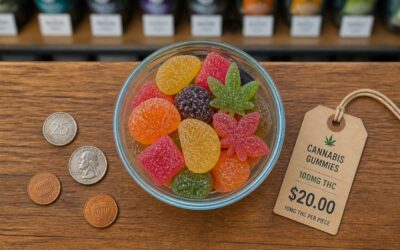
Product selection in edibles reads like a tasting menu: format, dosage, and the quiet guarantee of QA. When I assess a batch, I want products that communicate the serving size in precise milligrams and spell out the per-piece strength. For readers curious who ships edibles, the answer hinges on format clarity and credible traceability that travels from supplier to shelf.
- Gummies and chews with clearly marked per-piece potency
- Chocolate bars and bites that maintain consistent portioning
- Beverage infusions and sachets with shelf-stable dosing
In terms of dosage, I favor products that show a clear per-serving mg and a recommended daily maximum, with packaging designed for easy breaking and accurate portioning. South Africa’s market rewards exact labeling, temperature-stable formats, and transparent expiry windows so shoppers trust the product from the moment it lands on the shelf.
Third-party testing and certifications
Product selection is where ethics meets commerce, and in South Africa the premium edibles market grew 34% last year. I look for brands that narrate their QA story in plain terms, from sourcing to shelf. In SA, consumers expect consistent formats and transparent batch documentation that travels with the product. When readers ask who ships edibles, credibility arrives on the label: traceable supply chains and unambiguous packaging.
Third-party testing and certifications anchor this trust.
- Independent labs with recognized accreditations
- Batch-specific certificates accessible to consumers
- Clear traceability from raw material to finished product
- Transparent supplier audits and documented chain of custody
That combination keeps the landscape legible from producer to palate.
Ingredient transparency and allergen information
Last year SA’s premium edibles market grew 34%, a punchy reminder that trust travels as quickly as flavor. When readers ask who ships edibles, credibility lands on the label—transparent sourcing, consistent packaging, and a QA story you can read at a glance!
Product selection is where ethics meets commerce. Brands that win in SA tell their QA journey in plain terms, from sourcing to shelf, with formats that stay consistent and batch documentation that travels with the product.
Ingredient transparency and allergen information are the spine of confidence. Consumers deserve to know what’s inside, where it came from, and how cross-contact is prevented.
- Plain-language ingredient panels with origin notes
- Explicit allergen declarations and cross-contact controls
- Visible batch codes and shelf-life timelines
In this landscape, the label is a map—guiding readers toward clarity and care.
Shelf life, storage, and packaging integrity
SA’s premium edibles market vaulted 34% last year, proof that flavor travels faster than a label can hide. When readers ask who ships edibles, they’re really chasing a promise: careful product selection paired with a QA story you can read at a glance.
Shelf life, storage, and packaging integrity aren’t an afterthought; they’re the backbone of confidence. Brands that win tell you plainly how long to expect freshness, how to store for peak potency, and how packaging safeguards the product. Consider these checks:
- Seal integrity and tamper-evidence
- Storage conditions and shelf-life timelines
- Visible batch codes and traceability
Ultimately, the label is a map—guiding readers toward care, consistency, and credibility, so choosing a vendor becomes less of a gamble and more of a confident, delicious decision.
Practical Buying Guide and Consumer Tips
How to check local delivery rules and permitted quantities
Across the South Africa market, the path to edible delivery can feel like a winding river. When considering who ships edibles, map local delivery rules and permitted quantities before moving any cart. A surprising number of orders stall because rules aren’t checked in advance.
- Confirm whether your district accepts edible deliveries and any city-specific bans
- Note per-package and per-order quantity limits and any packaging requirements
- Investigate labeling standards, including potency disclosures and allergen notes
With a careful eye on policy and packaging, shopper confidence grows. Look for transparent delivery windows, clear COAs, and terms that align with South Africa consumer protections. The journey from wish to doorstep should feel nimble, not murky.
Estimating delivery times, costs, and tracking
In the South African dusk, the question lingers: who ships edibles, and how swiftly can dawn arrive at your door? A telling 62% of online shoppers abandon carts when delivery timing feels uncertain, as if the night itself is delaying their cravings.
When considering who ships edibles, the practical buying guide centers on estimation—delivery times, costs, and the trail of tracking that keeps trust intact.
- Estimated transit times by region, noting that urban routes may offer rapid options while rural enclaves see longer waits.
- Delivery costs affected by distance, size, and service level, with any surcharges clearly disclosed.
- Tracking availability and packaging disclosures, ensuring you can verify status and compliance.
Clarity is the compiler of confidence; seek vendors who reveal windows, price structures, and real-time updates, so the journey from cart to doorstep feels nimble, not murky.
Returns, refunds, and handling damaged shipments
The trail from cart to doorstep should feel like a well-timed sunrise, not a scavenger hunt through the night. So, who ships edibles in South Africa, and what happens when the box arrives with packaging that’s seen better days? The sharpest vendors publish crystal-clear return policies, so you’re never left wondering about what happens next when cravings collide with delays.
- Return window and who covers return shipping, clearly stated.
- Documentation of damage or missing items with photos as evidence.
- Refunds versus replacements and the expected timelines.
- Easy claim initiation and the preferred contact method.
- Keep packaging until the issue is resolved for traceability.
With transparency, a hiccup becomes a mere bump in the road rather than a detour. Clarity here builds trust, and that trust is the real premium in a dependable delivery service.
Privacy and discreet packaging considerations
Privacy in the buying journey isn’t optional—it’s essential for who ships edibles. In South Africa, shoppers want a seamless arrival: no drama at the door, just a quiet box and clear expectations. The right vendors publish privacy commitments and discreet packaging policies, so you know what to expect from cart to doorstep. Cravings meet delivery with calm, and that trust is the real premium in choosing a reliable supplier!
- Clear privacy policy and data handling practices
- Discreet, non-descript packaging and tamper-evident seals
- Tracking and delivery methods that protect content but reveal nothing sensitive
Consumer tips include reading privacy sections and noting how data is protected during checkout. A transparent process and plain-language labeling help you compare options among who ships edibles without guesswork.
Common issues and how to resolve them
More than half of SA shoppers crave a quiet, drama-free doorstep—privacy isn’t a nicety, it’s a necessity. That’s why the question often comes down to who ships edibles and how those deliveries stay smooth from cart to curb. A practical buying journey blends trust, plain language, and calm on arrival.
A practical buying guide hinges on clear policies, consistent labeling, and dependable delivery windows.
- Delays and tracking gaps can raise anxiety; the quiet antidote is transparent timelines and calm customer support that explains what’s happening.
- Unclear packaging or labeling undermines trust; a vendor’s clear packaging and tamper-evident seals help content stay secure.
In the end, these elements build a relationship of trust that travels with every order, turning a simple purchase into a dependable ritual.
Staying compliant as a consumer: record-keeping and receipts
South African shoppers are surprisingly thrifty about privacy: 72% insist on discreet, drama-free doorstep deliveries. For anyone wondering who ships edibles, the practical buying guide starts with clear expectations, calm timelines, and honest receipts. When you know the process, the cart-to-curb journey remains as smooth as a well-iced cupcake.
- Purchase receipts and order numbers saved digitally or in a dedicated file
- COAs, certifications, and date stamps for quick reference
- Delivery tracking links and photos of packaging to verify condition on arrival
Keep a tidy record of every order. A simple folder accommodates digital receipts, order numbers, and tracking details, ensuring quiet confidence at the gate.
Compliance becomes second nature rather than a scavenger hunt, and solid records let the doorway be faced with confidence and a smile.



0 Comments