Decoding the World of Cannabis Edibles
What Exactly Qualifies as an Edible
Across South Africa’s shifting cannabis landscape, the term “edible” refers to a precise category. Any food or drink infused with cannabinoids, whether tetrahydrocannabinol or cannabidiol, qualifies, provided it passes through digestion rather than inhalation. The liver converts these compounds into metabolites, creating a delayed and often stronger effect than smoking.
The edibles quiz on many dispensary sites tests this knowledge, but the basics remain simple:
- Baked goods, from brownies to biscuits
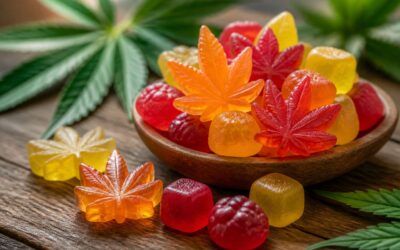
- Gummies and hard candies
- Beverages, including teas and sparkling waters
Each form carries its own onset time and duration. That delayed arrival makes proper dosing a matter of patience, and a well crafted quiz helps users measure their own limits without stumbling.
How the Body Processes THC and CBD Through Digestion
The digestive pathway is a slow alchemy that transforms familiar snacks into something entirely different. When a gummy or tea passes through the stomach and into the liver, enzymes convert THC into 11-hydroxy-THC, a metabolite with a notably stronger affinity for brain receptors. This first-pass effect explains why the experience feels more intense and lasts longer than inhalation. CBD follows a separate route, interacting with different enzymes and often moderating THC’s psychoactive edge.
– Onset times range from thirty minutes to two hours
– Peak effects typically arrive between two and four hours
– Duration can stretch beyond six hours for high-fat carriers
A thoughtfully designed edibles quiz addresses these metabolic realities so users can distinguish between a slow burn and an overwhelming wave.
The Science Behind Delayed Onset Times
Edibles demand patience. The first twenty minutes pass in silence, and many people convince themselves the product failed. They are wrong. Delayed onset is not a flaw. It is a function of the body’s digestive sequence, which varies from person to person.
Several variables shift your personal timeline:
- Whether your stomach is empty or full
- Your individual metabolic rate
- The fat content of the carrier
An edibles quiz can help you anticipate your own response. Most users notice effects between thirty and ninety minutes after consumption.
Differentiating Between Baked Goods, Gummies, and Beverages
At any gathering, the person holding a brownie and the person holding a bottled drink are having very different experiences. The form of cannabis you choose shapes the session from the first bite to the final minute. An edibles quiz can point you toward the right vehicle before you commit.
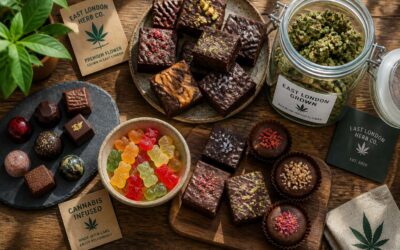
Baked goods remain the hearty staple. They rely on butter and oil, which carry cannabis well, and they tend to produce a weighty, gradual sensation. Gummies are the pragmatist’s pick. Each piece comes premeasured, which makes portioning almost too easy. Beverages feel social and familiar, though they require mindful storage and a steady hand with dosing.
Consider these points when comparing options:
– Baked goods: uneven distribution, shareable, slow release
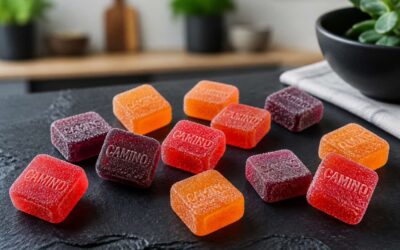
– Gummies: uniform dose, discreet, portable
– Beverages: familiar format, quick onset, perishable
No format wins outright. The correct answer depends on where you are, who you are with, and how much control you need. Take an edibles quiz to sort out the variables.
Mastering Dosage and Potency Calculations
Understanding Milligrams per Serving Versus per Package
Inconsistencies in labeled milligram amounts often create a dangerous gap between expectation and experience. One package of gummies might contain 100 milligrams total, divided across ten pieces, while another package lists 100 milligrams per serving. The difference is substantial.
I once encountered a chocolate bar where the whole block was the serving, yet the package displayed a fraction of the total potency. Reading labels requires an edibles quiz mindset, where you actively question the numbers rather than accept them at face value. Consider the actual weight of each piece.
- A product with 50 milligrams per package has five gummies at 10 milligrams each.
- A product with 50 milligrams per serving uses one gummy as the baseline.
Miscalculating these figures can double or halve your intended dose. The edibles quiz often asks users to decode these labels, testing their ability to separate serving from total. This skill matters more than memorizing effects.
The Microdosing Spectrum: Finding Your Threshold
Most people new to edibles start with a guess, not a calculation. That is why the edibles quiz exists: to strip away the guesswork and give you a personal baseline. Mastering dosage and potency calculations begins with knowing that your threshold shifts with body weight, metabolism, even what you ate three hours ago. I have seen careful consumers misread their own numbers.
Microdosing sits at the very bottom of the spectrum, often between 0.5 and 2.5 milligrams of THC. These amounts produce subtle changes, sharper focus, or a mild ease of tension without outright intoxication. Moving up the curve, threshold doses from 2.5 to 5 milligrams typically bring the first noticeable buzz.
- 0.5 to 2.5mg for microdosing
- 2.5 to 5mg for threshold effects
- 5 to 10mg for low-level psychoactivity
Finding your personal threshold requires patience and precise tracking. The edibles quiz often asks you to record each session’s dose and effect, building a profile that becomes more reliable with every attempt.
Calculating Edible Potency from Homemade Infusions
Homemade infusions make precise titration a challenge. The extraction efficiency of your butter or oil rarely matches the lab test on the package. I have watched people double their dose expecting relief; they got vertigo instead. The edibles quiz exists to correct that error before you commit to a full batch.
- Calculate total THC after decarboxylation.
- Measure the infusion’s fat volume exactly.
- Divide by consistent serving sizes.
Those three steps sound simple, but variables like simmer temperature and stirring frequency alter the final milligrams per serving. Tracking each deviation across sessions gives you a repeatable formula for your kitchen.
The Role of Tolerance in Edible Experiences
Every cannabis eater has a story about the same brownie hitting differently on a Tuesday than on a Saturday night. Tolerance is the silent variable in every potency calculation. We measure milligrams, divide servings, yet our endocannabinoid system adapts faster than our spreadsheets.
This is why an edibles quiz asks about frequency, not just weight or height. Regular consumption downregulates CB1 receptors, so the same dose produces weaker signalling. Consider the factors that shift tolerance:
- Frequency of use in the past 30 days
- Time since last edible versus inhaled cannabis
- Concurrent medications or sleep patterns
Each factor alters how your liver converts THC into 11-hydroxy-THC. Lab potency gives you a ceiling, but tolerance decides the floor. An edibles quiz cannot replace a blood test. It can prevent the mistake of doubling a dose out of frustration. Know your tolerance before you trust your calculator!
Deciphering Labels: The 10mg Standard and Beyond
Ten milligrams is the industry’s polite fiction, a number that implies precision where none exists. In South Africa, the gap between label claims and actual effect stretches wider with each unregulated batch. That same 10mg gummy can feel entirely different depending on THC activation methods and the fat content of the carrier oil. Before trusting the packaging, check three things:
- Total THC versus activated THC
- Servings per package versus milligrams per piece
- Whether absorption enhancers are listed anywhere
An edibles quiz sharpens this habit of scrutiny. It pushes you to compare labels against your own metabolism instead of accepting the front-of-box number as gospel. The milligram count deserves suspicion, not reverence.
Navigating Safety, Side Effects, and Overconsumption
Recognizing the Signs of Taking Too Much
When an edible goes wrong, the experience unfolds gradually. Many people wait too long before recognizing they have crossed their threshold, and anxiety can mask the early signs. I have seen this in the South African context, where homemade treats often carry unmeasured doses.
Common signals include a racing heart, dizziness, or a sense of dread. Nausea or tremors may follow. Confusion becomes obvious, even if someone tries to hide it. These symptoms indicate overconsumption.
- Uncontrollable shaking
- Losing touch with time
- Repeated vomiting
Hydration helps, as does a quiet room. Take the edibles quiz to assess your awareness of safe practices and overconsumption responses. That check can protect your next experience.
Immediate Steps to Manage an Overwhelming High
An overwhelming high is a temporary state, but the minutes can feel glacial. When your body resists, change your environment first. A dark room, cold water, and slow breathing do more than any imagined remedy! I have watched people worsen the moment by moving around or trying to sleep it off in a busy space. The panic feeds on stimulation, so remove yourself from noise and screens.
A practical response sequence helps:
- Sit or lie down in a quiet area
- Sip water and skip caffeine
- Place something cold on your neck
- Fix your gaze on a single object until your pulse steadies
Avoid adding other substances to counter the effects. That compounds the problem. Take the edibles quiz before your next experience, and let that score shape your portioning. The score is a reference point, not a guarantee. Knowing your threshold before you swallow is the only true prevention. Respect the delay, and the high will pass, usually within a few hours.
How to Safely Store Edibles Away from Children and Pets
A child’s birthday party turns perilous when a cannabis caramel sits in the candy bowl. South African poison centres report rising accidental ingestions, especially when edibles mimic familiar treats.
Secure your stash rigorously. Use a lockable container, keep original labels, and store it beyond the reach of small hands. The fridge and pantry are traps.
- Store above eye level in a cupboard with a childproof latch
- Keep pets out of rooms where edibles are stored
Side effects in children and pets range from drowsiness to severe agitation. Overconsumption demands immediate veterinary or medical help. Taking the edibles quiz before your session builds awareness of potency, yet that knowledge means nothing if a toddler finds your gummies.
Potential Drug Interactions with Prescription Medications
An edibles quiz measures your knowledge of dosing, yet it cannot account for drug interactions. Cannabis alters how the liver processes many medications through the CYP450 enzyme system. Grapefruit juice behaves similarly, but edibles often go unrecognized as a factor. A patient on warfarin may experience dangerous bleeding if THC elevates the drug’s concentration. Conversely, certain anticonvulsants can reduce THC’s effectiveness.
- Benzodiazepines and opioids, increasing respiratory depression
- Antiretrovirals, changing viral suppression levels
- Antihypertensives, causing hypotension episodes
Side effects become more unpredictable when overconsumption overlaps with these prescriptions. South African healthcare providers rarely screen for cannabis use, leaving patients to navigate the risks alone.
The Importance of Setting and Mindset
An edibles quiz tests dosing knowledge, but safety depends on where and how you consume. The setting shapes the experience more than the potency. A noisy bar amplifies anxiety; a familiar couch allows calm. Mindset matters too. If you already feel stressed, THC may magnify that mood. Before taking an edible, assess your environment and emotional state.
Side effects like dizziness or paranoia often arise from poor surroundings, not the dose itself. Overconsumption becomes more likely when distractions override self-awareness. The physical environment, social context, and time of day all influence how a dose lands.
- Physical comfort
- Social context
- Time of day
South African users rarely plan for these factors, yet the setting determines whether a strong high feels manageable or terrifying.
Edibles and Alcohol: A Risky Combination
Pairing a glass of wine with a cannabis gummy feels like a sophisticated evening, but it is a gamble. Alcohol amplifies THC’s psychoactive effects, and the delayed onset of edibles means you may drink more while waiting for a high that arrives all at once. This stacking effect often triggers nausea, dizziness, and a racing heart.
An edibles quiz will test your knowledge of milligrams and timing, yet it rarely covers this dangerous interaction. In South Africa, where social drinking is common, the combination is especially tempting. The safest approach is to treat edibles and alcohol as mutually exclusive choices, not companions.
Exploring Ingredients, Flavors, and Formulation Techniques
Why Fat Content Matters in Cannabinoid Absorption
The fat in your edible does more than carry flavor. Cannabinoids are lipophilic, meaning they bind to lipids before crossing the intestinal wall. Without sufficient fat, a gummy’s potency drops sharply. Coconut oil, butter, and MCT oil serve this role in many recipes. The type of fat influences the absorption curve, and that changes how you experience the product’s onset.
When you take an edibles quiz, consider how brands describe infusion processes. Emulsification creates stable, water soluble particles, while simple decarboxylation and mixing produce uneven results. The flavor profile often masks the carrier, but the carrier determines absorption. Citrus extracts and botanical terpenes can shift perceived freshness, yet they do nothing to alter bioavailability.
- Saturated versus unsaturated fat
- Particle size after infusion
- Presence of lecithin as an emulsifier
Each element shifts onset time and intensity. Fat content often explains why two similar products hit differently!
Comparing Sugar-Based, Chocolate, and Savory Infusions
Two gummies with identical milligram labels can produce wildly different experiences. Sugar based confections often rely on pectin or gelatin, creating a rapid release when the soft gel breaks down. Chocolate infusions behave differently; cocoa butter carries cannabinoids through the digestive tract at a slower, steadier tempo. Savory preparations, such as cheese sauces or broth based dishes, introduce animal fats that shift absorption curves entirely.
Consider the formulation sequence:
1. Decarboxylation temperature and time
2. Fat infusion method
3. Emulsifier selection
Each decision alters the final profile. When you take an edibles quiz, probe these distinctions. A citrus sugar cube, a truffle, and a spiced nut blend might share the same dose but never the same timeline. The vehicle changes the journey, and knowing the difference separates casual consumers from informed ones.
The Role of Terpenes in Flavor and Effect Profiles
Over 200 terpenes scent the cannabis flower, yet they vanish from most packaging. I have seen people chase milligram numbers while ignoring the compounds that actually drive their experience. When you take an edibles quiz, it often tests dose and onset. It rarely asks how limonene sharpens a citrus gummy or why myrcene drags a chocolate square toward drowsiness. These molecules matter more than the base ingredient.
A caramel infused at low temperature keeps its pinene alive, producing a clear, focused effect. The same caramel heated too aggressively loses that profile and turns flat. Flavour is the first clue. A pine-scented product may keep you alert, while an earthy, clove-heavy infusion tends to encourage stillness. The edibles quiz that ignores terpenes overlooks this essential variable.
Vegan, Gluten-Free, and Allergen-Friendly Edible Options
When I help people choose a vegan gummy, I ask about the base. Pectin from citrus peel sets a cleaner gel than gelatine, and that changes how the flavour releases. A mango and chilli square can taste bright and sharp, while a coconut milk truffle stays creamy and slow. The formulation technique matters as much as the dose.
Allergen friendly options rely on ingredients like rice flour and sunflower lecithin. These create stability for infusions without introducing gluten or soy. A well built edible should taste intentional, not masked. The edibles quiz that guides you toward a product should also ask about texture and dietary needs. That is how you find an experience that fits your body, not a number on a label.
The Rise of Nano-Emulsified and Fast-Acting Edibles
The wait for edibles no longer stretches to an hour. Nano-emulsified cannabinoids break into tiny droplets, so they absorb in minutes. That changes how a mango and ginger chew hits your system, and it explains why the market for these products is expanding in South Africa.
Formulation shapes both mouthfeel and onset. A liquid infusion in a sparkling water can feel lighter than a chewy lozenge! When you take an edibles quiz, it should ask about your preferred texture and speed instead of only dose.
Flavour compounds also interact with the rapid release. Terpenes dissolved in nano-emulsions surface earlier, so a blood orange and black pepper square tastes sharp before the body sensation appears. This rapid onset is a key detail in any formulation discussion.
Understanding the Legal Landscape and Safe Purchasing
Federal Versus State Laws and The Legal Discrepancy
Few consumers realize that a legally purchased edible in one province can become contraband three streets away. Understanding the legal framework starts with separating national legislation from provincial enforcement. South Africa’s Cannabis for Private Purposes Act decriminalized personal use, but commercial edibles remain without clear authorization.
This legal discrepancy, much like federal versus state laws abroad, means a chocolate bar purchased in Johannesburg can face different scrutiny than the same product in Durban. The purchasing process involves checking the retailer’s license, confirming lab testing certificates, and accepting that municipal priorities alter enforcement.
- The license number must match official records.
- Recent lab results confirm cannabinoid content.
- Municipal code compliance applies at the exact address.
The accompanying edibles quiz measures how well you grasp these legal nuances.
Understanding THC Limits in Regulated Markets
The legal landscape shifts like the tide along the Durban coastline. One municipality may treat a 50mg chocolate as a minor infraction, while the next enforces it with criminal zeal. The Cannabis for Private Purposes Act offers no uniform guidance for commercial goods, so the onus falls on you, the buyer. Verification becomes a ritual, not a formality. The edibles quiz tests this readiness.
Safe purchasing demands more than trusting a friendly face behind a counter. You must confirm the retailer’s license matches official records, demand lab results that prove cannabinoid content, and verify municipal code compliance at the exact address. Skip one step, and you cross a line you cannot see.
THC limits in regulated markets remain a moving target. A product labeled 10mg per serving can be perfectly legal in one ward and contraband in another. The edibles quiz forces you to confront these inconsistencies, separating assumption from evidence. That gap, more than any molecule, determines your risk.
The Importance of Third-Party Lab Testing and COAs
The legal landscape in South Africa resists tidy summaries. Municipal boundaries draw their own lines, and a product that passes inspection in one district may fail in another. The edibles quiz pushes you past assumptions, asking whether you have verified the retailer’s license against official records and confirmed the premises matches the permit. Omissions become legal exposure.
Safe purchasing rests on documentation. Third-party lab testing provides the only reliable evidence of what a package actually contains. A Certificate of Analysis should confirm cannabinoid content, solvent residue, and microbial safety. Without it, you rely on trust alone.
- Confirm the lab is independent of the producer.
- Check the batch number matches your package.
- Verify the testing date is recent.
The edibles quiz separates informed buyers from those gambling on appearances.
Counterfeit Edibles: How to Spot Unregulated Products
South Africa’s cannabis regulations vary wildly from one municipality to the next. A product legal in Cape Town may be prohibited in Pretoria. The edibles quiz forces you to verify the retailer’s license against official records. Skipping this step creates legal exposure.
Counterfeit edibles thrive where enforcement lags. Unregulated products often mimic popular brands with subtle spelling changes. Compare the physical address on the package to the permit. If the product lacks a verifiable source, treat it as suspect. I have watched buyers choose flashy boxes and regret it later!
How to Get the Most Out of an Edibles Experience
Stop the Clock Hypnosis: Why Waiting Regulates Experience
An edible’s delayed onset fools nearly everyone. Most people cave within thirty minutes, then overcompensate with another dose. This impulse wastes product and skews the experience. Waiting is not passive. It is an active reset of your internal timeline.
Your body decides when to convert THC. No label predicts your exact curve. Your metabolism, stomach contents, and recent meals shift the onset window. This is why a standard edibles quiz question asks about timing, not dosage alone. Patience converts that uncertainty into reliable information.
Here is what disciplined waiting looks like:
- Set a timer for 90 minutes before any second thought.
- Record physical cues, not emotional ones.
- Hydrate only after the first clear effect appears.
Disciplined waiting changes the outcome. When you stop forcing the effect, the effect emerges without distortion. Regulated pacing delivers a stronger, cleaner experience.
Prep Your Environment for a Comfortable Session
An edibles quiz rarely asks about your living room, yet your surroundings shape the experience. I have learned that a cluttered table or harsh overhead light can create restlessness during onset. South Africans often consume at home, so prepare the space with intention.
Adjust these basics before you begin:
- Set a comfortable temperature, since edibles can make you feel warmer
- Choose soft lighting or dimness rather than fluorescent glare
- Keep water nearby, but avoid alcohol entirely
- Confirm who else is home and whether you want company
Once your environment feels settled, you stop looking for discomfort. That stability matters. Dosage guides help, but a well prepared room shapes how the session unfolds.
Hydration, Nutrition, and Cannabinoid Metabolism
Hydration changes how your body processes cannabis. Cannabinoid metabolism depends on liver enzymes that perform best when you are properly hydrated. I have seen users feel shaky after a strong edible because they skipped water. South African weather makes this even more relevant, so drink steadily through the day, not just when you swallow the gummy.
Nutrition matters as well. A light meal with healthy fats, like avocado or nuts, supports absorption without overwhelming your system. An empty stomach often makes the onset sharper and more unpleasant.
Consider these factors:
- Water intake directly affects liver enzyme function
- Food timing changes how quickly the effect peaks
- Alcohol disrupts the entire metabolic process
Your individual metabolism still dictates the outcome. An edibles quiz offers guidance, but paying attention to your own body gives the clearest answer.
Combining Edibles with Meditation, Music, or Rest
A quiet room and a decent playlist can do more for your high than any edibles quiz. The trick is curating your surroundings before the onset hits. Meditation works best when you treat it as a passive observer, not a chore. Sit with the sensations, let your breath anchor you, and allow the wave to pass without judgment. Music deserves equal attention. Choose tracks with slow tempos and minimal lyrics.
The right set-up often includes:
- Noise-cancelling headphones for deep bass
- A weighted blanket for grounding
- A dim lamp with warm light instead of harsh overheads
Rest, meanwhile, is underrated. A deliberate rest cycle after the peak prevents the jittery crash. Your body already does the chemistry; you just supply the calm. Skip the distractions, and you will find the edible speaks for itself.
Keeping a Consumption Journal for Future Reference
Your edibles quiz results offer a starting point, but the lived experience needs documentation. A consumption journal turns guesswork into a reliable record. Record the product name, the milligrams you consumed, and the precise time of intake. Note the environment: were you surrounded by chatter or alone with a playlist? This context matters more than you might expect.
Each entry should include the following observations:
- The onset moment, when the first subtle shift appeared.
- The peak intensity, rated on a scale from one to ten.
- The duration of each phase, including the gentle decline.
After several sessions, patterns emerge. You will see how a specific brand’s terpene blend affects your mood or why a certain fat content shortens your waiting time. That knowledge transforms future choices; it is the difference between blindly guessing and making an informed selection. Write while the memory is fresh, and let the journal serve as your reference point.
Deconstructing Bad Trips and Negative Reactions
A difficult edibles experience is rarely a random event. It is a signal from your body, one that deserves attention rather than fear! Deconstructing what went wrong allows you to turn discomfort into practical knowledge. Ask yourself what changed: the dose, the setting, the food in your stomach. Pinpointing that variable is the first step to prevention.
When a negative reaction surfaces, record these factors immediately:
- The time between ingestion and symptom onset
- The emotional state before consumption
- The exact milligram count and product type
This analysis transforms a bad trip into a learning tool. For instance, a rapid spike in anxiety often traces back to a missed meal or an overambitious dose. Your edibles quiz results can highlight your tolerance baseline, but real-time deconstruction closes the gap. Over time, you will recognize your limits and design sessions that avoid those triggers entirely.

0 Comments