Understanding Cannabis Edibles
What Are Edibles?
South Africa’s edible market has grown alongside global demand, with infused chocolates and gummies moving from underground circles to regulated shelves. Simply put, cannabis edibles are foods that carry cannabinoids into the body through the digestive system. This route changes everything. The liver metabolises THC into a stronger form, which is why the effect feels more substantial and lasts longer than inhalation.
Typical products include:
– Baked goods like brownies and biscuits
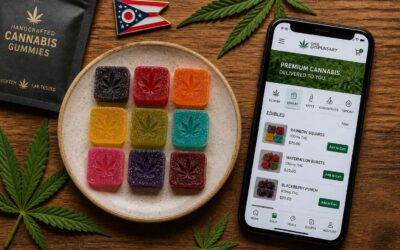
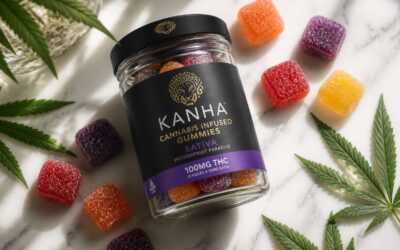
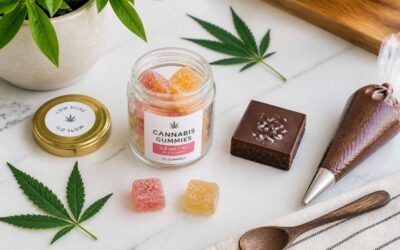
– Fruit chews and gummies
– Beverages and tincture based drinks
For shoppers wondering what edibles are best, the answer starts with understanding your tolerance and the milligram content clearly printed on each package.
How Edibles Work in the Body
There is a predictable lag between the first bite and the first sensation. Most people feel nothing for at least thirty minutes, and this silence is where many novices make their first mistake. They assume the edible is weak, so they eat another piece. This is how tolerance gets tested in the wrong way. The digestive process takes time, and the liver converts THC into 11-hydroxy-THC, a metabolite that crosses the blood brain barrier more efficiently than inhaled THC.
This conversion requires the body to change the chemical structure, which explains the delayed onset. The full experience often peaks around two hours after consumption. This is why understanding the timeline is more valuable than chasing a faster high. When customers ask what edibles are best, the answer is often the one they can manage without impatience. The effects from this metabolic pathway are generally more sedating and physically immersive. They last for many hours, unlike the sharp spike of smoking. The practical steps of this process are consistent:
1. Ingestion through the stomach and intestines.
2. Absorption by the liver for metabolic conversion.
3. Distribution of 11-hydroxy-THC through the bloodstream.
4. Interaction with cannabinoid receptors across the body.
The potency on the label is not a suggestion, it is a dosage anchor. Those with a higher daily intake might require a stronger formula, but the average shopper should start with the smallest available dose. The body’s endocannabinoid system reacts based on your metabolic rate, your recent food intake, and your individual enzyme production. Determining what edibles are best always begins with acknowledging this biological variance. You cannot rely on a friend’s reaction, because their liver chemistry is not yours.
Onset Time and Duration
Most packaged edibles list a forty five minute onset, but the real window often stretches to seventy. That gap feels personal. I have watched people blame the product for being weak, only to feel the full effect an hour later.
The duration follows a clear curve. Effects begin softly, climb for two hours, then hold steady for four to six more. This is why timing matters more than strain selection. When customers ask what edibles are best, I point them toward a formula they can wait for without anxiety!
- Onset: thirty to ninety minutes.
- Peak: ninety minutes to three hours.
- Decline: gradual, over several hours.
Patience makes the difference between a controlled session and an overwhelming one.
Dosage and Potency Basics
Dosage is a matter of numbers, not impressions. Most packages advertise ten milligram servings, yet the true calculation includes your body weight, recent meals, and tolerance history. A five milligram start suits newcomers; twenty can overwhelm the unprepared. When asked what edibles are best, I remind people that potency should match experience. Consider these calibration points:
- Five milligrams for first timers or light weights
- Ten to fifteen for regular users
- Twenty plus only for those with proven endurance
The margin between pleasant and regrettable is narrower than most assume. Underestimating is safer than spending an evening managing discomfort.
Factors That Define the Best Edibles
Ingredient Quality and Source
Provenance shapes every milligram. The plant material behind a gummy or chocolate determines its character, its potency, and its safety. You cannot separate the final product from its origin. A distillate made from poor trim will taste harsh and deliver a muddled effect. A full spectrum extract from premium flower offers a cleaner, more complete experience. South African consumers are increasingly asking what edibles are best, and the answer always begins with the source.
For a truly superior product, the starting material must be cultivated with intention. This means:
– Organically grown cannabis, free from synthetic pesticides and growth regulators.
– Flower that is harvested at peak ripeness, when cannabinoid and terpene profiles are most vibrant.
– Extraction methods that preserve the full chemical symphony, not just the isolated THC.
The difference between a mass-produced sweet and a small-batch confection lies in this meticulous sourcing. The carrier ingredients matter equally. A gummy made with real fruit pectin and natural sugars performs differently in the body than one packed with artificial colours and corn syrup. The fat content in chocolate or the oil in a baked good affects absorption rates. So, when you seek what edibles are best, you are searching for a chain of quality that begins on the farm and ends in the kitchen. It is a simple equation of transparency and craft. The final test is in the experience itself.
THC vs. CBD Ratios
Ratios are the silent dialogue between compounds, a conversation that shapes every sensation. When South Africans ask what edibles are best, the answer often hides in this balance. THC is the vibrant, expressive partner, while CBD is the grounding counterpoint. A 1:1 ratio creates a warm, cerebral harmony, ideal for those seeking relief without the intense disorientation. Conversely, a THC-heavy formula with a whisper of CBD offers a more vivid, energetic experience. The ratio dictates the entire journey.
– For anxiety: opt for a higher CBD content to temper THC’s intensity.
– For pain: a balanced ratio often provides synergistic relief.
– For daytime creativity: choose a lower CBD presence for a clearer headspace.
This is not a fixed science but a personal exploration. Each ratio perceptibly shifts the character of the experience, turning a simple chocolate square into a nuanced ritual. Understanding this interplay is the key to discovering what edibles are best for your own unique chemistry. The alchemy lies in proportion, a delicate sleight of hand that transforms a snack into an experience. The ratio is the lens through which the entire effect is viewed, a defining factor in the search for the perfect edible.
Flavor and Texture Preferences
Taste is the first judge. Texture is the second, and often the harsher critic. A brownie can carry the right dose, but if it crumbles like dry soil, the experience suffers. I have watched friends defend chalky caramels simply because the flavour reminded them of childhood!
South African palates are adventurous, yet they remain loyal to familiar comforts like rooibos infused treats or naartjie flavoured gummies. The mouthfeel matters as much as the taste. Chewy gummies deliver a slow release of flavour, while baked goods offer a denser bite. Your preference signals how you want to feel.
Consider these factors when weighing what edibles are best for your routine:
- The texture’s impact on onset: faster dissolving forms may absorb quicker.
- The flavour’s ability to mask or complement botanical notes.
- The aftertaste, which can linger for hours.
Determining what edibles are best requires honest self assessment. A chocolate square with a clean snap will never suit someone who craves a soft, fruit forward jelly.
Additional Functional Ingredients
Functional ingredients separate an ordinary edible from one that serves a purpose beyond the high. Some brands now infuse products with adaptogens like ashwagandha or calming compounds such as magnesium glycinate. These additions change how a product fits into your day.
Consumers in South Africa are seeing more options with functional boosts. Consider the following:
- L-theanine for smoother cerebral effects
- Ginger or digestive enzymes for stomach comfort
- Terpene blends that steer the experience in a specific direction
When deciding what edibles are best, functional ingredients matter. A gummy with CBD and chamomile suits evening use. A chocolate with caffeine and THC serves a daytime need. The extras are not decoration. They shape the effect. Read the label closely, and you will see the difference!
Brand Reputation and Lab Testing
A brand’s reputation is often the first filter when deciding what edibles are best. In South Africa’s evolving market, established names have earned trust by consistently delivering consistent products. These brands operate with transparency, revealing their sourcing practices and manufacturing standards. A reputation built over time indicates stability when other factors like potency or flavor vary. New entrants may offer innovation, but established entities provide a baseline of reliability that is difficult to replicate.
Lab testing serves as the verifiable proof behind that reputation. Independent analysis verifies the absence of contaminants like pesticides, residual solvents, and heavy metals. It also confirms the declared cannabinoid content and ensures potency claims hold true. When a company shares batch-specific results, it demonstrates confidence in the manufacturing process. This practice is not cosmetic. It is the difference between a gamble and an informed choice.
Consider these markers of rigorous testing:
– Results from an accredited, third-party laboratory
– A certificate of analysis available for each product batch
– Terpene and minor cannabinoid profiling for a complete picture
– Testing for microbial impurities and mycotoxins regularly
The interplay between brand reputation and lab data creates a feedback loop. A brand that invests in comprehensive testing builds a stronger reputation over time. A weaker reputation encourages closer scrutiny of their test results. When exploring what edibles are best, the label and the accompanying lab report should be read together. Local operators who follow South African Health Products Regulatory Authority guidelines often use these reports to distinguish themselves. Look for brands that openly discuss their testing protocols without hedging. The absence of clear lab data is a significant red flag, regardless of how persuasive the marketing language sounds.
Top Edible Categories for Different Goals
Best Edibles for Pain Relief
As the search for relief becomes more personal, the question of what edibles are best shifts from a general query to a deeply individual one. For those seeking to quiet the body’s persistent whispers of pain, the answer often lies not in a single ingredient, but in the careful orchestration of the entire plant’s profile.
Full-spectrum offerings hold particular promise. Their whole-plant chemistry, which includes a rich array of cannabinoids and terpenes, can create an entourage effect. This synergy is often the key to effective, long-lasting comfort. When selecting a product for physical aches, look for a balance that leans on CBD, but which preserves a meaningful amount of THC to amplify the analgesic properties.
For a more targeted approach, consider these specific preparations that are commonly favored for pain management:
– Products that are low in sugar, as inflammation is often exacerbated by refined sweeteners.
– Options that feature a solventless extraction to minimize chemical exposure.
– Formulations that are clear about their terpene content, particularly those high in beta-caryophyllene.
Furthermore, the format of the edible itself can influence its efficacy. Fast-acting nano-emulsified gels offer quicker relief for acute flare-ups, while a classic chocolate or oil might be better suited for sustained, overnight comfort. Matching the delivery method to the nature of your pain is a subtle, yet crucial, part of determining what edibles are best for your specific situation.
Best Edibles for Sleep Support
Nearly one in three South African adults gets broken sleep on a regular basis. When the question turns to what edibles are best for the late hours, the answer moves beyond simple THC content.
Sleep specific edibles often lean on CBN, a cannabinoid that emerges as THC oxidizes. Unlike synthetic sedatives, CBN works gently. In my experience, the most effective products pair it with a touch of magnesium or a calming botanical. Delivery matters as well. A slow dissolving pastille can carry you through the night where a quick gummy might fade too early.
Consider these markers when choosing:
- CBN at 2mg to 5mg per serving for noticeable drowsiness.
- Added myrcene or linalool for herbal depth.
- A format without heavy sugar, since glucose can spike and wake you later.
Best Edibles for Anxiety and Stress
Anxiety has a way of turning the mind into a loud, crowded room. Finding calm in that space often requires more than just a high dose of THC, which can sometimes amplify the chatter. The real question for many South Africans is what edibles are best when the goal is quieting the noise without losing clarity. The answer lies in a careful balance of cannabinoids and botanicals rather than sheer potency.
A ratio leaning heavily toward CBD often serves as the anchor. The compound modulates the psychoactive intensity of THC, softening its edges while allowing muscle tension to release. Look for formulations where CBD meets or exceeds the THC content. This creates a gentle equilibrium, the kind that eases the mental spiral without pulling you into a heavy couch lock. Some of the most effective options in this category include:
– Flavoured pastilles with a 2:1 CBD to THC ratio for measured relief
– Chocolates infused with adaptogens like ashwagandha or reishi
– Low dose mints that let you titrate slowly throughout the afternoon
Terpenes also play a quiet but critical role here. Limonene can lift a heavy mood, while linalool, the same compound found in lavender, helps to unknot a racing brain. Products that list their full terpene profile on the packaging show a level of thoughtfulness worth trusting. When you are purchasing, a product that names its botanical partners usually offers a more intentional experience than one built around a single isolated cannabinoid. This nuance is exactly what edibles are best for anxiety, because the whole plant synergy matters more than the sum of its parts.
The format of the edible also shapes the experience. A fast acting water soluble spray or a small lozenge under the tongue can work in minutes, perfect for managing a sudden spike of worry. A full chocolate bar, however, encourages a slower, more mindful approach, one that asks you to pause and savour. Both have their place, and the choice depends on whether you are bracing for a difficult conversation or simply unlocking after a long week. The coach’s advice remains simple: start with a modest serving, assess how the blend settles, and adjust from there.
Best Edibles for Social Relaxation
Social relaxation requires a different chemistry. The goal is not sedation or escape. It is a warm, lubricated ease that lets conversation flow. When asking what edibles are best for this, look for balanced THC with uplifting terpenes like pinene or limonene. A low dose, around 2.5 to 5mg, keeps you present. I find that gummies with a hint of citrus or a sativa-leaning chocolate work well.
- Microdosed fruit chews
- Carbonated drinks with nano-emulsified THC
- Light chocolates with added green tea
The point is to feel more sociable, not less aware. Choose products that enhance the room, not replace it.
Best Edibles for Creative Focus
Picasso once said that inspiration exists, but it must find you working. For creative focus, the edible needs to clarify thinking without dulling it! When asking what edibles are best for this purpose, I look at the entourage effect.
A low dose of 2.5 to 5mg of THC paired with CBD in a 1:1 ratio provides steady alertness. Terpenes such as limonene and pinene support focus. My current preferences include:
- Nano-emulsified tincture drops in sparkling water
- Sugar-free lozenges with ginger
- Dark chocolate squares with rosemary
These options let ideas move forward without interrupting the session.
Best Edibles for Appetite Stimulation
For many, food becomes a chore when appetite fades. THC can change that. When asking what edibles are best for appetite stimulation, I focus on high THC levels and the terpene myrcene, which boosts hunger signals. Options that work reliably:
- Indica-dominant chocolates with 10mg THC per square
- Fruit chews with hash and black pepper
- Warm drinks infused with coconut oil
These forms deliver fast relief. I prefer a small bite of chocolate thirty minutes before a meal. The effects settle in without heavy sedation. For stubborn cases, combining THC with limonene makes food smell more appealing. Keep doses moderate; too much destroys appetite entirely. Understanding what edibles are best for your body matters as much as the dose.
Choosing the Right Edible Format
Gummies and Chews
Choosing between gummies and chews often comes down to texture and absorption. A softer gummy dissolves quickly, while a firmer chew demands patience. Both formats excel at masking the earthy flavors of cannabis, which appeals to newcomers. For repeat users, the tactile ritual of biting into a chew adds a ritualistic pleasure.
South African dispensaries stock an array of options, from sour-coated cubes to dense lozenges. The question of what edibles are best hinges on your preference for speed or longevity. The key differences are:
- Gummies typically contain pectin for a vegan-friendly base
- Chews often use gelatin for a chewier mouthfeel
Each format carries its own character, and the choice remains a personal one.
Chocolate and Baked Goods
When it comes to chocolate and baked goods, the question of what edibles are best shifts from texture to decadence. A dark chocolate bar melts at body temperature, releasing cannabinoids gradually on the tongue. Baked goods, like a dense brownie or a flaky cookie, offer more substance. They sit heavier in the stomach, which can slow absorption but prolong effects.
South African bakers often use local rooibos or buchu for an infused twist. Chocolate makers prefer single-origin cacao to mask the plant’s bitterness. Both formats require careful temperature control during production, since heat degrades THC.
The choice hinges on your eating style:
– If you crave a quick, discreet bite, chocolate wins.
– If you want a satisfying snack, baked goods deliver.
Neither is objectively superior. Your metabolism, tolerance, and mood dictate the experience. For many, the ritual of breaking off a square or biting into a warm cookie makes the answer to what edibles are best deeply personal.
Drinks and Beverages
Drinks and beverages change the calculus. A tincture under the tongue delivers cannabinoids through the sublingual route, bypassing the stomach’s slower digestive process. This means a faster onset compared to a dense cookie.
The formats differ more than you might expect:
– Tincture droppers for precise sublingual dosing
– Single-serve sachets you stir into hot water
– Carbonated cans with evenly distributed distillate
For South African users, infused rooibos or a chilled sparkling water offers a familiar entry point. Beverages excel at control. You sip slowly and gauge the build.
When asking what edibles are best, drinks reward those who want a temporary lift. Effects taper sooner than gummies. That shorter arc suits a social gathering or daytime use, not a full night of sleep.
Tinctures and Sublingual Options
For many South Africans, the question of what edibles are best starts with format. Tinctures deserve a closer look. A tincture uses a dropper bottle, which means you control the dose drop by drop. No cutting brownies into uneven pieces.
Sublingual application is straightforward. Place the liquid under your tongue and hold it there for a minute. The cannabinoids absorb directly into the bloodstream through the mucous membranes. Onset arrives faster than a gummy, though the window of effect is shorter.
- Precise dosing for repeatable results
- Easy to adjust mid-session
- Compact packaging that travels well
This control makes tinctures a practical choice for anyone asking what edibles are best for measured, consistent use. The effects arrive without the heaviness of a full stomach digesting a cookie. You remain clear-headed, which matters when your day demands focus.
Capsules and Pills
For those who prefer no flavour or ceremony, capsules and pills offer a pragmatic route. They are what edibles are best when you want to skip the ritual of food entirely, swallowing a premeasured dose without tasting anything. The body processes them through the liver, much like a gummy, but without the sugar or chewing.
Onset takes longer, sometimes over an hour, because the capsule must dissolve first. The effects then spread evenly, which suits routine use.
- Exact milligram content printed on the label
- No odour or taste, so they travel discreetly
- Simple to stack with other supplements
For South Africans exploring capsules, the main trade-off is patience. Wait for the effect, and you get predictability.
Savory Snacks and Popcorn
When exploring what edibles are best for those who prefer salt over sugar, savory snacks and popcorn deserve attention. They offer a familiar eating experience while delivering the same effects as gummies or chocolates. Popcorn, when lightly coated with infused butter or oil, provides a crunchy, low calorie way to dose precisely.
- Cheese flavored popcorn
- Spiced almond or cashew mixes
- Savory crackers with infused spreads
Each option masks the botanical taste effectively. However, the fat content matters. Infused butter or oil binds to the active compounds, which helps the body absorb them steadily. This makes savory snacks a practical choice for people who find sweet edibles cloying. I have found that spiced nuts offer the most balanced flavor profile, and they never tire the palate!
Tips for Identifying High-Quality Edibles
Reading Labels for Accurate Dosing
The search for what edibles are best often falters at the pharmacy shelf, where glossy packaging and bold milligrams create a haze of confusion. You are not just buying a sweet treat; you are placing trust in a system that demands scrutiny. The label is the only honest conversation you get with the manufacturer, and reading it requires more than a glance at the THC number.
A high-quality product will present a complete cannabinoid profile, not just a singular potency figure. This transparency signals a commitment to accuracy, which is the bedrock of a safe experience. The presence of a scannable QR code, linking directly to a third-party Certificate of Analysis (COA), is non-negotiable. This document verifies the absence of heavy metals, solvents, and microbial contaminants, offering a silent assurance that what is on the label is truly in the gummy.
The true craft lies in the art of accurate dosing, which is less about the total THC and more about the serving size. A chocolate bar with 200mg total could be 20 servings of 10mg each, or a reckless 4 servings of 50mg. This distinction dictates the entire experience.
– Check the serving size listed on the front of the package.
– Verify the number of servings per package.
– Look for the total cannabinoid percentage per specific serving.
– Confirm the ratio of CBD to THC for balanced effects.
When you understand this, you stop guessing. You negotiate with the plant on your own terms, respecting the boundary between a gentle euphoria and an overwhelming fog. This literacy is the key to unlocking what edibles are best for your specific physiology.
Checking for Third-Party Lab Results
The most honest voice in the cannabis industry is never heard; it is read, in the stark columns of a Certificate of Analysis. When you ask what edibles are best, you are really asking who can be trusted, and trust does not live in a glossy wrapper.
A third party lab result is the only verification between a brand’s claim and the physical reality in your hand. The label may promise a certain dosage, but the laboratory reveals the truth of the batch. I look for a COA that is specific to the product’s batch number, not a generic template.
- Verify the laboratory is independent and not owned by the manufacturer.
- Ensure the test date is recent, within the last 60 days.
- Confirm the COA shows the exact batch number printed on your package.
This diligence separates the serious producers from the opportunists. When the certificate exists, the darkness of uncertainty recedes. That, in itself, is the silent answer to what edibles are best for your mental repose.
Understanding Full Spectrum vs. Isolate
You can tell a quality edible before it touches your tongue. Look at the surface, feel the consistency, and notice the aroma. A gummy that crumbles or a chocolate that blooms with white streaks signals poor handling! These small details answer what edibles are best for your palate and your peace of mind.
- Uniform texture and colour reveal careful production.
- Fresh botanicals in the aroma indicate whole plant use.
- Whole plant extracts on the label show full spectrum intent.
Full spectrum extracts retain the entire cannabinoid profile, including trace compounds that work together. Isolates, by contrast, strip everything away except one molecule. For a nuanced effect, full spectrum often outperforms isolate. The choice depends on your sensitivity and your desired outcome. Understanding this difference helps you decide what edibles are best for your unique chemistry.
Considering Dietary Restrictions
Ask any seasoned consumer what edibles are best and the answer often diverges based on dietary needs. A pristine gummy with a vibrant sheen means little if it contains gelatine, which is a dealbreaker for vegetarians. The real test of quality lies in the label transparency for allergens like gluten, dairy, or nuts. If a product cannot clearly state its allergen profile, it is not worth the risk.
For those with strict dietary laws, the sourcing of ingredients matters more than the potency. Vegan chocolates must use specific emulsifiers, and a lack of cocoa butter often changes the melting point. Consider the practicalities of your restrictions.
– Check for certified vegan or kosher stamps, not just marketing language.
– Review the sweetener source, as some gummies use honey or glucose syrup.
– Verify the base oil or butter for any lactose traces.
Searching for what edibles are best means respecting your body’s limits first. A full spectrum tincture might be gluten-free, but the infused honey it is mixed with could contain additives. For individuals with celiac disease, cross-contamination during production is a silent issue that texture alone cannot reveal. Optimise for safety by confirming the facility’s handling procedures. Only then does flavour become the final determining factor.

0 Comments