Legal status and current framework for cannabis edibles in South Africa
Overview of the current legal stance on cannabis edibles
South Africa teeters on a delicate edge, where private use is acknowledged but the commercial edibles market remains tightly regulated. A rising chorus of voices argues for clarity and safety, shaping a pragmatic path forward.
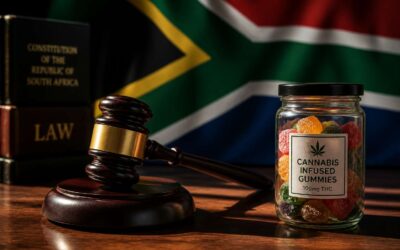
In this framework, the question ‘are edibles banned in south africa’ is answered with nuance: private use and cultivation for personal consumption are permitted within strict boundaries, while the sale and distribution of edibles to the public are constrained by licensing and safety standards.
Key elements of the current framework include:
- Private use and cultivation for personal consumption
- Restrictions on the sale and distribution of edible cannabis products
- Regulatory oversight and licensing for medical or tested products
As regulations evolve, readers gain a clearer lens on what’s permissible and what remains tightly controlled, painting a picture of a cautious, aspirational market for cannabis edibles in South Africa.
Key laws affecting edible products: Cannabis, THC, and CBD
Private use, public use, and sale: what the law allows
The question ‘are edibles banned in south africa’ surfaces often, yet the answer isn’t a blunt yes or no. The framework distinguishes private use from public conduct, guiding what can be used at home while keeping markets and sales tightly controlled.
- Private use and personal cultivation within private spaces.
- Public use remains unlawful.
- Sale and production require licenses; general sale is not permitted.
In short, the landscape keeps a lid on public sales while allowing private enjoyment within limits.
Recent legal updates and possible reforms
Across South Africa, the legal status of cannabis edibles sits at the edge of change. The recurring question—are edibles banned in south africa—surfaces often in policy debates. The answer hinges on context: private enjoyment at home sits within a guarded framework, while public use remains unlawful and commercial sale remains tightly licensed or restricted.
Recent legal updates and possible reforms point toward a phased regulatory approach.
- Clarifying permissible quantities and THC limits for home-use products.
- Exploring licensing pathways for producers and retailers of edibles while preserving public safety.
- Strengthening labeling, age verification, and consumer education to reduce harm.
Observers watch parliamentary discussions for signals on broader reform, but the current framework remains steady: private use with limits, and sale under strict oversight.
Regulation, licensing, and compliance for edible products
Licensing requirements for manufacturers and retailers
Regulation, licensing, and compliance stand as sentinels at the gates of South Africa’s edible landscape. The question are edibles banned in south africa remains whispered in corners until the scaffolding of oversight—the standards, the provenance, the labeling—unfolds in daylight. For edible products to reach shelves, safety, testing, and responsible marketing must be proven between the lines of law.
Licensing requirements for manufacturers and retailers demand rigor and steady watchfulness. The essentials include:
- Manufacturers: production licenses, facility inspections, ingredient traceability
- Retailers: distribution licenses, age verification at point of sale, secure storage
- Ongoing compliance: labeling, packaging, THC limits, quality testing, and recall readiness
Beyond the ledger of licenses, ongoing compliance weaves a chorus of record-keeping, audits, and transparent reporting, keeping public trust intact and markets orderly.
Labeling, packaging, and ingredient disclosures
Regulation, licensing, and compliance guard South Africa’s edible market. In a landscape where are edibles banned in south africa whispers circulate, daylight exposes the real gatekeepers: labeling, packaging, and ingredient disclosures. Edible products reach shelves only when safety and responsible marketing are proven within the law.
- Labeling: product name, weight, ingredients, allergens, per-serving and total THC/CBD; no unlicensed health claims.
- Packaging: tamper-evident, child-resistant design, expiry dates, batch traceability.
- Ingredient disclosures: source and origin of each component, with safety-testing alignment.
Ongoing compliance demands transparent record-keeping, audits, and recall readiness.
Together, these standards keep accountability central to manufacturers and retailers, shaping safe access rather than speculation.
THC limits, product categories, and dosage standards
Regulation, licensing, and compliance for edible products in South Africa hinge on guarding potency with strict THC limits, per-serving dosage standards, and clearly defined product categories. The regime demands safety testing, supply-chain traceability, and responsible marketing—scanned through audits and recall-readiness. For readers asking, are edibles banned in south africa, the answer is a tightly regulated path, not a blanket ban. This is not a free-for-all; it is a carefully curated corridor!
The regulatory map carves out several product categories, including:
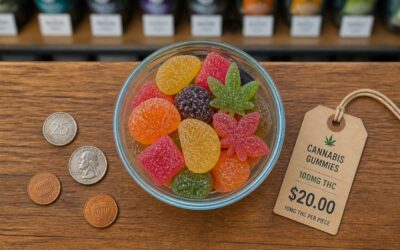
- Gummies and chews
- Chocolates and confectionery
- Beverages
- Baked goods
Within this framework, dosage standards demand transparent per-serving and per-package mg ceilings, supported by third-party safety assessments and batch-level traceability. Ongoing audits, recall readiness, and transparent record-keeping are not afterthoughts but the spine of the industry!
Quality control, testing, and oversight mechanisms
Regulation is the lantern that keeps the edible realm from wandering into shadows, and in South Africa the light is bright and relentlessly precise. The question “are edibles banned in south africa” is answered with a guarded path, not a ban: potency caps, per-serving limits, and licensed gatekeepers shaping every product.
Beyond licensing, the spine of compliance rests on rigorous quality control and robust testing that catches drift before it reaches consumers. The system balances public accountability with industry excellence, ensuring every batch can be traced and every claim substantiated.
Within this framework, core practices ensure safety and traceability, not miracles:
- Third-party safety assessments
- Batch-level traceability
- Ongoing audits and recall readiness
- Transparent record-keeping
Safety, health, and consumer guidance for edibles
Understanding potency, dosing, and onset of effects
In the margins where policy meets palate, a single bite can refract a whole afternoon. The question “are edibles banned in south africa” sits beside curiosity and concern, a reminder that safety travels ahead of pleasure. Potency, after all, is a quiet gravity—felt before it is understood—and understanding it is the sincere act of the mindful consumer.
To navigate this terrain gracefully, consider these touchstones:
- Potency varies by product and batch, so labels matter
- Onset can be delayed and effects may outstay expectations
- Choose products with clear labeling and transparent testing
From my perspective, the human story behind each product matters as much as the chemistry. Education, not fear, guides responsible choices, and the law—whatever it is today—benefits from informed, thoughtful consumers.
Storage, age restrictions, and safe consumption guidelines
Safety travels ahead of pleasure—it’s a motto I repeat when people ask the thorny question: are edibles banned in south africa? The reality is nuanced: private use is tolerated under careful rules, while selling or distributing edibles remains tightly regulated. The human story behind every product—where it comes from and how it’s tested—matters as much as the chemistry inside the wrapper!
- Store in a cool, dark place, in child- and pet-resistant containers; keep away from heat and sunlight.
- Keep out of reach of children and pets; locked storage is non-negotiable.
- Label clearly, check expiry dates, and follow recommended dosing to avoid surprises.
Beyond storage, mindful consumption means pacing yourself, avoiding mixing with alcohol, and never driving after ingestion. Read labels; respect dosage limits; and consider the sensitivities of first-timers and those with lower tolerance.
Myths, risks, and evidence-based facts about edible consumption
Safety travels ahead of pleasure in the edible landscape. The question ‘are edibles banned in south africa’ persists in kitchens and clinics alike, but the nuance lies in regulation, quality control, and responsible use. Clear labeling and independent testing matter as much as the chemistry inside the wrapper; consumers deserve products they can trust and environments that respect their tolerance!
Evidence-based guidance dispels common myths and highlights real risks—from unpredictable onset to interaction with other substances. Reports show that potency, ingredients, and personal biology drive effects, so lab verification and transparent disclosures are essential. With that in mind, choosing trusted brands and staying informed reduces surprises and supports safer enjoyment.
- Myth: Edibles deliver uniform experiences across people.
- Risk: Potency and timing can vary, leading to discomfort if not anticipated.
- Fact: Independent testing and precise labeling improve safety and accountability.
Enforcement, penalties, and business impact
Penalties for illegal sales and distribution
Regulators frame enforcement like a lighthouse on a foggy coast: firm, visible, and protective of consumers. “Compliance is the compass that guides a fair market,” a South African regulator once said. People often ask: are edibles banned in south africa, but the answer hinges on sale and distribution, not personal possession. When illegal goods surface, authorities move decisively, and legitimate brands feel the tremor.
Penalties for illegal sales and distribution are serious and precise. Fines and potential imprisonment await individuals; license suspension or revocation can strike a business harder than a bolt. Product seizures and civil liability erode profits, while reputational damage can close doors with banks and partners.
- Fines and possible imprisonment for individuals involved
- Seizure of products and license suspension or revocation for businesses
- Civil liability and reputational damage that ripple through banking and partnerships
- Operational disruptions and higher compliance costs that constrain growth
Impact on licenses, enforcement actions, and business operations
Enforcement acts like a lighthouse along a fog-drenched coast, steady and unyielding. For many, the burning question remains: are edibles banned in south africa? The answer hinges on sale and distribution, not private possession. When illegal goods surface, authorities move decisively, and the tremor lands on legitimate brands.
The question are edibles banned in south africa, while debated, is answered by the enforcement framework and its penalties.
- Fines and possible imprisonment for individuals involved
- Seizure of products and license suspension or revocation for businesses
- Civil liability and reputational damage that ripple through banking and partnerships
These penalties ripple into licenses, enforcement actions, and daily operations, demanding tighter controls, more audits, and cautious budgeting. Observers have seen license suspensions reshuffle production schedules and strain partnerships, while banks lean toward certainty and the cost of compliance climbs. The market responds with resilience, not bravado.
How authorities detect noncompliant products and protect consumers
Enforcement operates like a net drawn tight around the market. When noncompliant products surface, swift seizures and license actions ripple through the supply chain. This lingering question—are edibles banned in south africa—frames every audit, every recall, and every supplier negotiation.
Penalties extend beyond fines. Individuals may face imprisonment; businesses risk license suspensions or revocation. Civil liability and reputational damage ripple into banking relationships and supplier networks, complicating capital access and day-to-day budgeting.
- Robust laboratory testing of batches to verify THC/CBD levels
- End-to-end traceability from ingredient source to point of sale
- Regulatory audits and surprise inspections to enforce compliance
Authorities detect noncompliant products through testing, supply chain audits, and import controls, protecting consumers by flagging mislabeled or unsafe items before they reach shelves.
Civil actions, consumer protection, and recalls
“Compliance is the price of admission,” a regulatory insider told me, and the line lands with brutal clarity. In South Africa’s edible space, one enforcement action can ripple from the factory floor to the bank ledger, reshaping every negotiation and plan. The question ‘are edibles banned in south africa’ becomes a compass for audits, recalls, and supplier dialogues, forcing a reckoning between ambition and scruple.
Penalties escalate beyond fines. Imprisonment for individuals, license suspensions or revocation for businesses, and civil liability can erode margins and credit access. Reputational damage reverberates through banking relationships and supplier networks, complicating capital flows and daily budgeting.
- Imprisonment for individuals
- License suspension or revocation
- Civil liability and financial penalties
- Reputational damage affecting banking and supplier networks
Civil actions, consumer protection enforcement, and recalls create a high-stakes environment where every batch, label, and contract is subject to scrutiny. For manufacturers and retailers, these forces demand rigorous governance, transparent communication, and a willingness to adjust strategies on the fly.


0 Comments