Foundations: Cannabis Edibles and Weight Management
What are cannabis edibles and how they influence appetite
Across South Africa’s wellness conversations, appetite is a delicate instrument—and the right note can harmonize weight management. Cannabis edibles sit at a curious crossroads of flavor, metabolism, and timing. When approached with care, edibles and weight loss can be part of a measured plan rather than a crash diet. “The best changes begin with listening to your body,” a seasoned practitioner reminds us, inviting mindful portions and patient progression.
Foundations of cannabis edibles include understanding: they deliver cannabinoids through digestion, which delays onset but sustains effect. The influence on appetite depends on cannabinoids, dose, and individual biology. In the right context, small, thoughtfully chosen doses can ease snacking urges and support balance, while ignoring potency or timing can lead to unintended cravings. In SA’s evolving landscape, quality products and transparent labeling are essential to a balanced relationship with food and body.
Key cannabinoids and how they affect metabolism and satiety
Appetite drapes SA’s wellness conversations like dusk over a shoreline—fragile, reactive, never predictable. “The best changes begin with listening to your body,” a seasoned practitioner reminds us, inviting mindful portions and patient progression.
Foundations of cannabis edibles lie in digestion, where cannabinoids ride a slower train: onset is later, but effects endure. In the space of edibles and weight loss, the dialogue centers on dose, potency, and timing—deliberate choices can ease cravings without quelling appetite entirely.
- THC — interacts with the endocannabinoid system to influence hunger cues and energy balance.
- CBD — may modulate appetite regulation and metabolic processes, with potential to temper stress-related snacking.
- CBG and CBN — minor cannabinoids with emerging signals around satiety signaling and fat metabolism.
In SA’s evolving landscape, quality—from seed to label—frames a balanced relationship with food and body, under a careful, contemplative gaze.
Edibles vs inhalation: appetite, energy, and weight implications
In SA, nearly one in four adults wrestles with weight management, and the foundations of cannabis edibles and weight management go beyond chemistry to timing. Digestion is a slow track: cannabinoids ride a delayed train, onset arriving after meals with effects that linger. In the space of edibles and weight loss, dose, potency, and timing become the map that guides appetite and satiety in subtle, lasting ways.
When comparing edibles with inhalation, appetite cues, energy, and weight trajectories speak to different narratives. Edibles often yield a slower, steadier shift in hunger and a more prolonged energy, while inhalation can spark quick cravings and a brisk energy spike that fades, sometimes leaving gaps in fullness. The choice matters for weight management goals and daily rhythm.
- Timing aligns with meals to modulate cravings
- Longer-lasting effects support steady activity
Common myths about cannabis edibles and weight management
In South Africa, nearly one in four adults wrestles with weight management, a stark reminder that foundations matter more than fads. Foundations of cannabis edibles and weight management rest on timing, potency, and the body’s patient digestion—onset arriving after meals and effects lingering like a memory. This quiet algebra turns appetite into a dialogue with duration, where restraint and rhythm shape daily energy more than shortcuts ever could.
Common myths about cannabis edibles and weight management drift into popular lore. To separate signal from noise, consider these notions:
- Edibles instantly curb hunger and spark weight loss.
- All edibles carry the same calories and metabolic impact.
- Dose choice doesn’t change outcomes for weight goals.
Reality respects rhythm and biology, reminding readers that timing with meals and personal metabolism shape edibles and weight loss outcomes more than any myth.
Dietary Integration: Incorporating Edibles into a Weight Loss Plan
Setting realistic goals and tracking calories with edible use
Under the hum of a kitchen lamp, appetite wears a velvet mask. A recent survey found that 60% of dieters who log every bite see meaningful progress—a beacon for those who walk a careful line between craving and control.
Dietary integration asks for a steady hand: set realistic targets, track calories with each edible use, and view meals as rituals rather than battles. In this framework, edibles and weight loss become a deliberate choreography—dose, timing, and nutrient balance guiding the scale rather than derailing it.
- Perspective over impulse
- Moderation over excess
- Consistency over chaos
Keep in mind local rhythms in South Africa, braais and shared meals shape appetite and choices; balance, nuance, and memory guide the journey more than any single tactic.
Timing edibles around meals to support fullness
Timing is the unsung hero of dietary integration. When edibles are aligned with meals, fullness steps in as a faithful sidekick rather than a guilty afterthought. The idea that edibles and weight loss can’t share the same table collapses into a neat choreography—dose, context, and appetite cues working in concert instead of against you.
- Consider taking edibles near meals to amplify fullness and satiation.
- Pair edibles with protein- and fiber-rich foods to balance satiety.
- Maintain a steady rhythm between meals to avoid late-night grazing.
Across South Africa, braais and shared meals underscore rhythm and memory. These social patterns can guide timing choices so moderation remains a habit, not a punishment, keeping the edibles and weight loss journey human, flavorful, and sustainable.
Choosing low-calorie, portion-controlled edible options
One in three South Africans carries weight that frames the day, turning every bite into a moment of choice. In this theatre of appetite, dietary integration asks for poise—flavor and restraint performing in harmony, not in antagonism.
Choosing low-calorie, portion-controlled edible options anchors the dance. When the plate is generous with taste and lean in calories, the sense of fullness can be satisfied without tipping the scale. Here are some natural-fit exemplars:
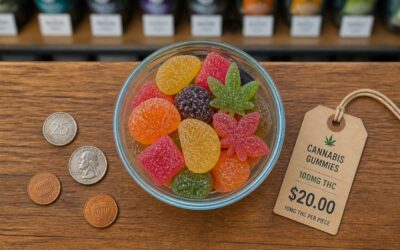
- Micro-dosed gummies with clearly labeled servings to help measure intake without mystery.
- Low-calorie baked bars or crackers that deliver texture and satisfaction in modest portions.
- Concentrated tinctures or sprays that enable precise dosing with every drop.
In South Africa’s social dining rituals—braais, shared plates, and long conversations—the rhythm can embrace a measured approach. This mindful pairing keeps edibles and weight loss at the same table, turning flavor into a quiet ally rather than a loud obstacle.
Combining edibles with exercise for weight management
Across South Africa, roughly 24% of adults navigate weight management daily, turning every bite into a decision of consequence. Dietary integration can braid edibles and weight loss into a graceful duet. In this theatre, activity and appetite need not quarrel; they can perform in harmony, a cadence where movement meets mindful savoring. The challenge is synchronization—letting pleasure and discipline move side by side rather than in opposition.
To weave edibles and exercise into a balanced plan, consider these concept-driven pairings:
- Portion-aware edibles aligned with workout timing
- Recovery-forward choices that replenish without excess
- Social dining strategies that keep energy and appetite in rhythm
On sunlit Cape streets and at braais, this cadence becomes a stylish ally, turning restraint into romance and appetite into art.
Safety, Dosing, and Quality: Responsible Use for Weight Goals
Understanding serving sizes and label information
Safety is the quiet chorus that underpins every choice around edibles and weight loss. In a landscape of potent options, verify licensing, avoid mixing with alcohol, and store away from children and pets. The goal is clarity, not bravado—calm decisions born of preparation and perspective.
Dosing centers on reading serving sizes and total cannabinoid content on the label. For South Africa’s regulated landscape, understanding onset and duration in broad strokes helps align expectations with reality; when in doubt, pause and reflect rather than chase effects.
Quality matters: check for independent lab results, transparent ingredient lists, proper packaging, and expiry dating. Consider this quick guide:
- Independent lab testing results
- Clear active ingredient and serving size information
- Tamper-evident packaging and expiry dating
THC, CBD, and terpene profiles that influence appetite and energy
Safety anchors our approach to edibles and weight loss: verify licensing, avoid mixing with alcohol, and store out of reach from curious kids and pets. In a landscape of potent options, calm decisions born of preparation beat bravado every time.
Dosing centers on reading serving sizes and total cannabinoid content, with attention to how THC, CBD, and terpenes can influence appetite and energy. In a regulated landscape like South Africa, stay grounded—if the label seems opaque, pause and reflect rather than chase effects.
Quality matters: check for independent lab results, transparent ingredient lists, proper packaging, and expiry dating. Consider this quick checklist:
- Independent lab testing results
- Clear active ingredient and serving size information
- Tamper-evident packaging and expiry dating
How to avoid unwanted munchies and late-night snacking
In the shadowed corridors of South Africa’s regulated edible scene, safety anchors our approach to edibles and weight loss. Verify licensing, never mix with alcohol, and store out of reach from curious kids and pets. Calm decisions born of preparation outshine bravado.
Dosing centers on reading serving sizes and total cannabinoid content. In a landscape of THC, CBD, and terpenes that influence appetite and energy, in South Africa’s regulated market, if the label seems opaque, pause and reflect rather than chase effects.
Quality matters: check for independent lab results, transparent ingredient lists, proper packaging, and expiry dating. Consider this quick checklist:
- Third-party lab validation
- Clear ingredient and serving information
- Tamper-evident packaging and freshness dating
Product selection: potency, ingredients, and lab testing
Safety anchors our approach to edibles in South Africa’s regulated market. Verify licensing, avoid mixing with alcohol, and store out of reach from kids and pets. Calm decisions born of preparation outshine bravado.
Dosing centers on reading serving sizes and total cannabinoid content. In a landscape of THC, CBD, and terpenes that influence appetite and energy, for edibles and weight loss, pause when the label seems opaque rather than chase effects.
Quality matters: check for independent lab results, transparent ingredient lists, proper packaging, and expiry dating.
Consider this quick checklist:
- Third-party lab validation
- Clear ingredient and serving information
- Tamper-evident packaging and freshness dating
Product selection should balance potency and safe ingredients, with lab testing guiding every choice for weight goals.
Myth Busting, Evidence, and Practical Tips
What current research suggests about weight and cannabis
Myth Busting: The claim that edibles and weight loss are mutually exclusive is an oversimplification. When we examine edibles and weight loss, outcomes hinge on dose, timing, and the broader energy balance. Opinions diverge, but evidence shows no universal rule—only individual responses shaped by metabolism and lifestyle.
Evidence: Current research paints a mosaic rather than a compass. THC can stimulate appetite, yet long-term weight effects vary with activity, product type, and genetics. CBD and terpenes may subtly influence energy use and cravings, but no decisive causal link to meaningful weight loss has emerged. Interpret results with caution and context. This nuance matters for discussions of edibles and weight loss.
Practical Tips: View edible choices as contextual alongside overall wellness goals. Prioritise product transparency, sugar content, and how timing interacts with meals to support balance rather than a strict regimen.
Anecdotes vs data: evaluating claims about weight management with edibles
Myth Busting: The idea that edibles and weight loss clash is a lazy legend, especially in South Africa’s diverse diet scene. Dose, timing, and energy balance matter more than any magic fix.
- THC can stimulate appetite, but not uniformly.
- Long-term weight trajectories hinge on activity and product type.
- CBD and terpenes may nudge energy use or cravings without a decisive causal slam-dunk.
Evidence: The landscape of evidence is mosaic rather than a compass; edibles and weight loss involve a constellation of factors. THC can spark appetite, yet long-term weight effects hinge on activity, product type, and genetics. CBD and terpenes may subtly influence energy use and cravings, but no decisive causal link to meaningful weight loss has emerged.
Practical Tips: View edible choices as contextual alongside overall wellness goals. Prioritise product transparency, sugar content, and how timing interacts with meals to support balance rather than a strict regimen.
Lifestyle strategies to support weight loss alongside edible use
Myth Busting: In South Africa’s vibrant food scene, the notion that edibles and weight loss are mortal enemies is a lazy legend—60% of adults here report actively rethinking cravings. Appetite spikes aren’t universal; context, dose, and biology shape outcomes, not a blanket verdict on edibles and weight loss.
Evidence: The landscape is mosaic rather than compass; THC can spark appetite, yet long-term weight trajectories hinge on activity, product type, and genetics. CBD and terpenes may subtly influence energy use and cravings, but no decisive causal link to meaningful weight loss has emerged.
Practical Tips: Edible choices can be viewed as contextual alongside overall wellness goals, with emphasis on transparent labeling, sugar content, and how timing interacts with meals to support balance rather than a strict regimen.
Resources, communities, and reputable sources for guidance
Myth Busting: Cravings aren’t a universal fate. In South Africa’s vivid food scene, the idea that edibles and weight loss are enemies is a lazy stereotype—context, dose, and biology shape outcomes far more than headlines. One dose won’t derail a day.
Evidence: The landscape is mosaic. THC can spark appetite in some moments, but long-term weight trajectories depend on activity, product type, and genetics. CBD and terpenes may subtly influence energy use and cravings; no decisive link to meaningful weight loss has emerged.
Practical Tips: Resources, communities, and reputable sources for guidance are worth consulting. Look to labeling standards, independent testing, and balanced reporting from health bodies and universities. For trusted guidance, SAHPRA, SAMRC, NIH/NCI, Health24, and SA DoH offer solid starting points.
- SAHPRA – labeling, safety, and compliance
- SAMRC – current cannabis research
- Health24 / SA Department of Health – reliable health information


0 Comments