Understanding Cannabis Edibles
What Are Cannabis Edibles and How Do They Work?
South Africa’s relationship with cannabis is shifting, yet the edibles drug category remains misunderstood by many. An edible is any food or drink infused with cannabinoids, usually THC or CBD.
When you swallow one, the liver converts THC into 11-hydroxy-THC, a compound that crosses the blood-brain barrier more efficiently than smoked cannabis. This metabolic process explains why the experience feels heavier, lasts longer, and arrives later.
Here is how the timeline unfolds:
- Onset can take 30 to 90 minutes
- Peak effects appear around 2 to 3 hours
- Total duration may stretch to 8 hours or more
Dosing matters intensely! A single square of chocolate might contain 10 milligrams, but another from the same batch could hold more.
Common Types of Edibles: Gummies, Chocolates, Beverages, and More
Walk into any Cape Town dispensary and the edibles drug section now rivals a boutique confectionery. Gummies lead the market, prized for precise dosing and portability. Chocolates follow, offering a slow melt that masks the herbaceous undertones of cannabis oil.
Beverages have entered the scene with sparkling waters and cold brews, each serving a full liquid dose that absorbs through the stomach. In my experience, savoury options often surprise people. Infused honey, butter, snack bars and lozenges expand the category beyond sweets.
- Gummies and chocolates deliver a uniform dose per piece
- Beverages hit quicker but fade sooner
- Lozenges absorb partially through the mouth, altering onset
Your choice depends on tolerance, setting, and what you expect from the session. The edibles drug category demands attention to label details.
The Science of THC and CBD Infusion in Edibles
Nobody eats a raw cannabis flower and feels much. I have watched people try it once, then never again. The plant produces THCA, an inactive acid. Heat converts it to THC through decarboxylation. That is why infusion starts with a careful toast before anything touches butter or oil.
Once decarboxylated, THC bonds to fats. Cannabis molecules are lipophilic. They attach readily to lipids, which is why infused oils, creams and butters work so well as carriers. CBD follows a similar infusion path, though it interacts with different receptors and can moderate the psychoactive response of THC.
Your liver converts THC into 11-hydroxy-THC during digestion. This metabolite crosses the blood-brain barrier faster than inhaled THC. The edibles drug experience feels stronger and lasts longer for this reason. Temperature, fat content and infusion time decide the final potency. Get those wrong and you waste the batch!
How Edibles Differ from Smoking or Vaping Cannabis
When you inhale cannabis, THC enters the bloodstream through the alveoli within minutes, producing a sharp, fleeting effect. An edibles drug takes a slower path, one that passes through the digestive tract before the liver converts it into 11-hydroxy-THC. That metabolite is stronger than inhaled THC.
The difference is not subtle! Vaping or smoking produces a peak in half an hour and fades by the second hour. Edibles often wait ninety minutes before the first sensation, then build for another hour. The whole experience can stretch to six or eight hours.
- Onset: minutes for inhalation, thirty to ninety minutes for edibles
- Duration: one to two hours versus four to eight hours
- Metabolism: lung absorption versus liver transformation
- Intensity: the liver makes a stronger metabolite
I have seen people misjudge this lag and take a second dose too early. The edibles drug reward arrives late, and it arrives heavy.
How Edibles Affect the Body
The Digestive Timeline: Onset, Peak, and Duration
When will I feel it? That question carries anxiety. THC must pass through the stomach and liver before reaching the bloodstream. This edibles drug typically takes 30 to 90 minutes for effects to emerge.
The peak arrives later, usually two to three hours after eating. The liver converts THC into 11-hydroxy-THC, a compound that crosses the blood brain barrier efficiently. That explains the stronger, body heavy sensation!
Effects last six to eight hours, well beyond a smoking session. Consider the typical phases:
- Onset: 30 to 90 minutes
- Peak: 2 to 3 hours
- Duration: 6 to 8 hours
Many people underestimate this slow progression and eat a second dose too soon. I have seen it. Patience remains essential for anyone exploring this route.
Why Edibles Produce Stronger and Longer-Lasting Effects
Edibles drug ingestion sets a different stage. The liver performs a first-pass conversion, turning THC into 11-hydroxy-THC, a more potent molecule. This compound slips through the blood-brain barrier with unsettling ease. The result is a heavier, more seductive intoxication that clings to the body. I have felt the difference: smoking offers a fleeting spark, while this offers a slow, creeping occupation.
The liver also releases the compound gradually. That is why the experience unfolds over hours, not minutes. The receptor sites remain engaged for longer, and the metabolic byproduct lingers in the system. This is not a gentle process. It is a deep immersion, one that demands respect!
The effects vary by dose and individual chemistry:
- Mild doses produce a relaxed, heavy-limbed calm
- Moderate doses amplify sensory perception and introspection
- High doses can overwhelm, causing confusion and paranoia
Each step is a negotiation with time.
The Role of the Liver in Converting THCA to 11-Hydroxy-THC
I have watched the liver’s conversion process determine an entire evening. The edibles drug depends on this organ’s ability to turn THCA into 11-hydroxy-THC. Raw cannabis contains THCA, but heat and digestion first convert it into THC. Then hepatic enzymes complete the transformation.
Individual enzyme profiles change the outcome. Some people metabolise quickly, others slowly.
- Quick conversion produces a strong initial peak.
- Slow conversion produces a longer, flatter curve.
The liver releases 11-hydroxy-THC in pulses. That is why the experience cannot be rushed.
Potential Physical and Psychological Effects
An edibles drug travels through your digestive tract before entering the bloodstream. That longer route produces a slower, heavier wave. Physically, you may notice your heart rate climb, your mouth go dry, and your muscles relax into a state that makes moving feel optional. Psychologically, effects range from a giddy, talkative buzz to a paranoid spiral where every noise sounds suspicious.
The body’s response depends on several factors:
- Your metabolic rate and enzyme activity
- Whether you ate a fatty meal beforehand
- Your existing tolerance levels
That variability means the same edibles drug can produce a gentle evening or a disorienting marathon. Blood pressure shifts, altered time perception, and sudden cravings are all part of the package. Some people even experience a second wave of effects hours later, long after they think the journey is over. Understanding these potential reactions helps you prepare for the unpredictability.
Factors That Influence Individual Responses to Edibles
One study found that the same edibles drug dose can produce vastly different reactions across individuals. Your body’s endocannabinoid system, gut microbiome, and even hormone levels all shape how THC is metabolized. A person with higher body fat may feel prolonged effects, while someone with rapid digestion might peak sooner.
Factors that influence individual responses include:
– Genetic variations in liver enzymes like CYP2C9
– Stomach acidity and gastrointestinal motility
– Recent food intake, especially fats and proteins
– Chronic stress or sleep deprivation
These variables mean that an edibles drug is never truly predictable. I have seen people drift through a calm hour, while others report hours of discomfort from identical chocolates. The liver converts THC into 11-hydroxy-THC, but how your body handles that compound depends on your unique biology. Your next dose could feel entirely different from your last.
Dosing and Safety Guidelines
Start Low and Go Slow: The 5mg Rule for Beginners
Five milligrams of THC sounds harmless. It is not. For a beginner, that single dose can produce hours of intense psychoactive effects. The 5mg rule exists because edibles drug potency varies wildly between products and batches. Start with half that amount if you are new. Wait two full hours before judging the effect. The digestive process is slow and uneven, so early patience prevents late regret. Redosing after 30 minutes is the most common mistake. You will not feel the first dose yet, but it is already working. Adding more simply stacks the effects. Keep a simple log: product name, milligram amount, time taken, and how you felt. That record becomes your personal safety map. Respect the delay, respect the dose, and the edibles drug experience stays manageable.
Understanding Milligrams and THC Concentrations on Packaging
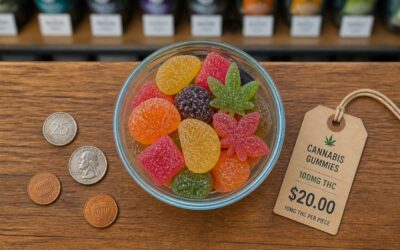
Understanding milligrams on packaging is the compass for any edibles drug journey. In South Africa, labels may list total THC per container or per piece. That distinction changes everything. A gummy labeled 100mg could hold ten 10mg pieces, or one 100mg serving. Read the fine print twice. Look for the “cannabinoid content per serving” line, not just the flashy front. If a package shows only the whole package dose, divide by the number of pieces. Simple math prevents a long afternoon of regret.
Then consider the serving size. A chocolate bar broken into eight squares with 10mg each means you eat one square. But some products are double strength, so a square contains 20mg. The edibles drug market here grows quickly, so labels vary. I always check these four points:
– Total THC in the package
– Total THC per serving
– Number of servings per package
– Any activated or decarboxylated wording
These four points give you the full map. When in doubt, treat the entire package as multiple doses, not one. That single mental shift protects both your day and your dignity.
How to Avoid Overconsumption and Handle Accidental Overdose
Overconsumption rarely gives warning. The edibles drug experience unfolds slowly, so you feel nothing for an hour, then suddenly you are overwhelmed. This lag tricks even seasoned users. You eat another square, and by the time the initial effects peak, you have taken too much.
One practical rule: wait two full hours before considering a second dose. Keep a journal. Note the time, quantity, and feeling. That record becomes your guide.
- Have a sober friend nearby if you are new to edibles drug.
- Keep water and a quiet room ready before you ingest.
- Write the exact time and amount.
If accidental overdose occurs, stay calm. Your body processes the THC, and the peak fades within hours. Lie down, drink water, and put on something familiar. Do not drive. Call a medical professional if you feel chest pain, vomiting, or extreme disorientation. Trust me, the discomfort passes, but support matters!
Safe Storage Practices to Prevent Accidental Ingestion
Each year, accidental ingestion of an edibles drug sends people to emergency rooms in South Africa. The culprit is often a tempting gummy left on a counter. Safe storage is a primary measure, and a locked container is non negotiable!
Store your stash in original packaging, then place it inside a locked box or a high cabinet. Separate it from ordinary snacks to avoid mix ups. If you have children or pets, handle the storage space with the same care you would give to any medication. I always check for forgotten items myself.
- Write the date and dosage on each package.
- Keep a dedicated container for all your cannabis products.
- Check the storage area regularly for forgotten items.
Dosing safety starts with visibility. When you know exactly where your edibles are, you control the quantity. A clear system prevents both accidental ingestion and unintended overconsumption.
Legal and Social Considerations
Legal Status of Cannabis Edibles in Different Regions
Cannabis legalization is a patchwork of contradictions, and edibles sit right in the middle of it. While dried flower has been decriminalized in South Africa for private adult use, the sale of edibles remains a grey area. This regulatory lag is fraught with risk. When you buy a packaged gummy or chocolate, you face real legal exposure, because authorities still classify these products under the Medicines Act. The intended effect of a law meant to protect personal freedom is often a consumer base left without lab testing or dosage verification, a genuinely precarious position.
The legal status of an edibles drug varies dramatically depending on your coordinates. In Canada and much of the United States, regulated markets provide strict caps on THC per package. Across the border in Mexico, judicial rulings set precedent but often leave commerce in a state of uncertainty. The South African approach is distinct, as the focus falls on personal cultivation and possession, not commercial goods. This discrepancy means tourists and locals often navigate a confusing environment where a homemade brownie is tolerated, but a commercially produced sweet is not. Social acceptance is growing, yet the law has not kept pace. This lag creates friction between communal norms and police practice, especially in urban areas. For the casual user, understanding these jurisdictional divides is essential to avoiding a costly legal encounter.
Licensing and Testing Requirements for Commercial Edibles
Commercial edible production in South Africa sits in a regulatory void. Since the Medicines Act classifies the edibles drug category as scheduled substances, there is no dedicated licensing pathway for gummies or chocolates. A manufacturer cannot simply apply for a food licence. Provincial health departments lack a clear mandate to inspect these products, so testing requirements remain voluntary or nonexistent. This absence of oversight creates a paradox. On paper, edibles drug commerce is restricted, yet informal sellers operate openly without laboratory verification. Regulated markets elsewhere demonstrate what South Africa lacks: mandatory potency checks, pesticide screening, and microbial testing.
Standard licensing protocols abroad typically demand:
- Child-resistant packaging with accurate milligram labels
- Batch-level testing by accredited laboratories
- Traceability records from seed to sale
- Product recall procedures for failed batches
Until South Africa formalises these standards, consumers assume risk with every purchase.
Social Etiquette and Responsible Use in Public Spaces
South Africa’s relationship with public cannabis consumption is subtle. A cigarette smoker steps outside, a vaper exhales clouds, but the edibles drug user stays seated, chewing discreetly. That invisibility is both a privilege and a hazard. Around a communal table, no one knows you have ingested something potent. Thirty minutes later, you might feel nothing. Then the sensation arrives without warning. It catches you off guard!
Social etiquette for edibles in shared spaces demands a restraint that smoking never required:
- Never pass them around like snacks at a gathering
- Disclose your consumption to the people you are staying with
- Avoid mixing edibles with alcohol when you are out
The legal protections for private use in South Africa do not extend easily to parks, beaches, or restaurants. Consuming an edibles drug in plain view is a gamble, however innocuous the chocolate bar appears. We owe the people around us honesty about what we have chosen to ingest.
Workplace Drug Testing and Edibles Consumption
The workplace does not ask how you consumed cannabis. It only asks whether THC is present. An edibles drug lingers in fat cells for weeks, long after the memory of the high fades. A urine test does not distinguish between a joint and a chocolate square. In South Africa, private use may be legal, but employment contracts often impose their own morality. I have seen capable people lose careers over a gummy eaten three weeks prior.
Employers rarely care about the nuance of 11-hydroxy-THC. They see a positive result on a laboratory report. The law permits testing under certain conditions, and your rights are limited inside the factory gates. Do not assume privacy extends to your locker or lunchbox!
- Urine tests detect metabolites for up to 30 days.
- Saliva tests flag recent use within 24 hours.
- Hair tests can reveal usage for months.
Each method carries its own risk for the edibles drug user, whose delayed onset often leads to miscalculated dosing.
The Risk of Mislabeling and Black Market Edibles
In South Africa, the ambiguous legal status around cannabis creates an unregulated market where the edibles drug arrives without labels and without accountability. A chocolate bar from an unknown source may contain 5 milligrams or 50. The consumer cannot know.
Mislabeling is not an accident. It is a systemic failure of an unregulated supply chain. Homemade gummies are sold by word of mouth, often boasting strengths that were never measured. The social pressure to trust a friend or a dealer replaces the regulatory safeguards that commercial products must follow.
- No dosage verification.
- No contaminant testing.
- No legal recourse if the edibles drug causes harm.
This risk is not theoretical. Emergency rooms have seen patients after consuming a single square of what was labeled as a mild treat. The social consideration is simple: when you bypass licensed retailers, the risk is entirely yours.
Edibles and the Stigma Surrounding Cannabis Consumption
Cannabis consumption carries a peculiar double standard. A glass of wine at a dinner party draws no comment, but a discreet edible before the same event invites suspicion. In South Africa, the edibles drug remains tangled in a moral judgment that its smokable counterparts have begun to outgrow.
This stigma is not merely social. It shapes workplace policies, family dynamics, and even self perception. Users often hide their consumption, not from fear of the law, but from fear of the label “stoner”. The irony is that edibles offer discretion, yet that discretion itself feels shameful. As one user told me, “I am fine with my gummy, but I would never mention it to my boss.” That tension defines the modern edibles drug experience in a society still unlearning decades of prohibition.
Choosing and Consuming Edibles Responsibly
Reading Labels: Ingredients, Potency, and Serving Size
Reading a label is the first act of self care when considering any edibles drug. Many people glance at the THC number and stop there. Ingredients matter just as much, especially if you have allergies. Potency tells the concentration per serving, but serving size reveals how many servings hide inside that package.
I check the serving size first, then the total cannabinoid content. A package may claim 100mg of THC, but if that equals ten pieces, each carries 10mg. That distinction changes everything!
- Scan for allergens like nuts or gluten
- Confirm THC and CBD per serving
- Count the servings in the package
Labels may say “solvent free” or “full spectrum,” but those phrases mean little without third party testing. Trust your judgment.
Selecting the Right Product for Your Experience Level
Someone once handed me a ‘mild’ brownie. Three hours later, I was asking the carpet if it needed water. That is the edibles drug reality: strength is personal, not universal. Your experience level determines which product fits, not the packaging.
Matching the right edible to your tolerance involves honest self-assessment. Beginners rarely need more than 5mg per serving. Veterans who consume cannabis daily may need 20mg or more. The trouble starts when people overestimate their ability.
Here is a rough guide:
- New users often select 2.5mg to 5mg gummies or low-dose mints.
- Intermediate consumers usually prefer 10mg to 15mg chocolates.
- Advanced users commonly choose 20mg and above in baked goods or syrups.
Every edibles drug interacts differently with your metabolism. Body weight, empty stomach, even your sleep schedule matters. When the label says ‘strong,’ believe it. When it says ‘mild,’ scrutinise the milligram count twice.
Pairing Edibles with Food and Setting for Desired Effects
The carpet incident taught me one thing: the edibles drug experience is a duet between chemistry and context. Get the lighting wrong and the whole performance collapses. A heavy meal slows absorption, which sounds safe but often leads to impatience and a second serving. A light snack, however, lets the 11-hydroxy-THC arrive on schedule. The setting matters just as much. A crowded bar amplifies paranoia. A quiet garden with a blanket and a water bottle turns a strong dose into a manageable journey.
Consider these pairings:
- Citrus fruits can brighten a sativa-dominant edible’s effects.
- Dark chocolate pairs well with indica-leaning products for a mellow evening.
- Carbonated water helps settle the stomach without dulling the high.
Your environment is the unsung hero. Familiar rooms, trusted companions, and a clear schedule reduce the risk of a bad trip. The edibles drug does not care about your plans. You must care about its timing.
How to Handle a Negative or Uncomfortable Experience
Choosing responsibly means admitting your limits. I always verify the package and the time of day. Your environment often determines the outcome.
When negative feelings surface, your instinct may be to fight them. That tends to worsen things. Remind yourself of these realities:
- Time is the only true antidote.
- Water and bland food can ease physical queasiness.
- Mild movement, like a slow walk, helps some people.
- Conversation with a calm friend reorients your thoughts.
The edibles drug will pass. Resist the urge to medicate further. Sit with the discomfort; it is temporary.
Mixing Edibles with Other Substances: Warnings and Risks
Nearly 40% of emergency room visits involving cannabis also involve alcohol. Mixing the edibles drug with other depressants multiplies sedative effects. I have seen users underestimate this interaction because edibles peak slowly. Alcohol hits fast, while THC from an edible lingers. The result is a delayed, compounded crash.
Your liver processes both, but it prioritizes alcohol. That delays THC metabolism and prolongs impairment. Prescription benzodiazepines or opioids create similar risks. Blood pressure can drop dangerously low.
- Alcohol can double the intensity of the edibles drug
- Antidepressants may increase paranoia
- Grapefruit alters enzyme breakdown of THC
One substance at a time is the prudent path.



0 Comments