Qué son los comestibles de cannabis
Definición y conceptos clave
Edibles reshape time and appetite, offering cannabis without a puff. In South Africa, edibles que es signals a quest for clarity about what you’re tasting and how it works. A seasoned aficionado once said, flavor reveals the chemistry beneath, and the edible becomes a map through taste, texture, and effect.
What are cannabis edibles? They are foods or drinks infused with cannabinoids, most often THC and CBD. Expect a delayed onset, longer duration, and the need for precise dosing—less impulse, more intention.
- Onset: minutes to hours after ingestion
- Duration: several hours, longer than inhalation
- Dose control: milligram strength per serving
Key concepts include decarboxylation, fat-based delivery, and clear labeling of milligrams. When these ideas align, the experience becomes navigable rather than chaotic.
Cómo se consumen
Cannabis edibles lure the wandering palate into a world where time loosens its grip. Each bite or sip bears the fingerprints of soil, sun, and careful craft. For readers in South Africa chasing clarity, the phrase “edibles que es” can feel like a compass, guiding flavor toward meaning rather than mystery.
What they are and how they are enjoyed can be described simply:
- Gummies and chews
- Chocolates and baked goods
- Beverages and tinctures
These edible forms invite exploration with mindful portioning and clear labeling. They weave craft, culture, and chemistry into daily life, inviting a sense of wonder without losing practicality in South Africa’s vibrant food scene.
Diferencias entre comestibles y otros productos
Qué son los comestibles de cannabis? They are foods and drinks infused with cannabinoids, a kitchen trick that’s turning heads in SA, meant to be eaten, not smoked. In South Africa’s evolving scene, edibles que es serves as a practical shorthand for this culinary language—think brownies, biscuits, and cordial that deliver effects through digestion.
How they differ from other cannabis products? Onset ranges from minutes to hours; duration can stretch for hours. Dosing is mg-based and label-friendly; flavor often takes center stage.
- Onset and duration
- Mg-based dosing
- Flavor-centric formats
In South Africa, this non-smoked route blends craft with chemistry, offering a practical, flavorful path that respects pacing and palate alike.
Ventajas y desventajas
Qué son los comestibles de cannabis? In South Africa’s evolving scene, they are foods and drinks infused with cannabinoids—meant to be eaten, not smoked. They offer a subtler arc of effects: onset can range from minutes to hours, and the journey lasts for hours. For ‘edibles que es’, imagine brownies, biscuits, and cordial that deliver character and flavor through digestion rather than smoke, pleasing both palate and pace.
Ventajas y desventajas accompany every culinary choice. Advantages: mg-based dosing with clear labeling, longer-lasting effects, and flavor-forward formats. Disadvantages: delayed onset, variability in absorption, and the risk of overconsumption if timing is misread. In SA, this non-smoked route blends craft with chemistry, delivering a palate-friendly path that respects pace and taste alike.
Historia y evolución de los comestibles
South Africa’s culinary map is blooming with cannabinoids, and the hook is simple: edibles que es? It’s foods infused with cannabis meant to be eaten, not smoked, turning appetite into a guided journey rather than a rush to the exhale. ‘The slow burn is the new instant gratification,’ locals insist.
History moves from secret recipes in ancient cultures to modern, lab-tested, dosage-conscious creations. Early edibles were improvisations; today’s versions balance flavor with precision, turning chocolate, biscuits, and syrups into stage props for a controlled cannabis experience in SA.
- Ancient uses and culinary adoptions
- Prohibition-era secrecy and backroom baking
- Medical legalization and the gourmet infusion movement
- Current era: regulated, flavor-forward products with clear labeling
That evolution isn’t just science; it’s a narrative about patience, taste, and trust in a market still learning to pace itself.
Guía de tipos de comestibles
Gomitas, chocolates y bebidas
In a market where taste negotiates with regulation, the edible category reveals more than flavor. For readers curious about edibles que es, the distinctions among gummies, chocolates, and beverages become a doorway to nuance rather than a shortcut to potency.
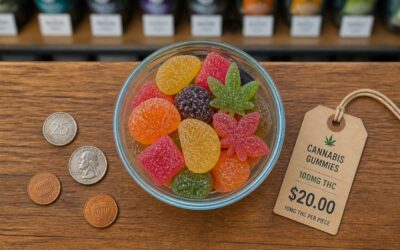
- Gummies: fruit-forward, chewy, discreet with consistent dosing lines!
- Chocolates: luxurious cacao notes that cloak the infusion and offer slow release!
- Beverages: ready-to-sip formats that mingle with meal rhythms and social settings!
In South Africa, these forms navigate a patchwork of laws and consumer curiosity. As a writer, I see texture and timing shaping the experience—where a gummy yields a short, uplifting wave, a chocolate anchors a moment, and a beverage softens into a social ritual, all while preserving mindfulness about potency and taste. This guide keeps language precise, avoiding jargon while inviting readers to consider how these forms align with setting, mood, and preferences.
Aceites y mantequillas para cocinar
Across the realm of edibles que es, oils and butters are the alchemy that translates intent into texture. “Flavor is a quiet law,” goes the saying, and in South Africa’s evolving market the fat you choose shapes flavor, mouthfeel, and the tempo of the moment—turning curiosity into mindful savor.
A concise guide to the primary cooking fats:
- Cannabis-infused butter: a creamy canvas for baked goods and sauces.
- Coconut oil: sturdy for high-heat cooking with tropical notes.
- Olive or avocado oil: versatile, light-flavored bases for savory dishes.
Each fat carries its own character, inviting readers to consider setting, mood, and taste as they explore this culinary myth.
Cookies, brownies y otros postres
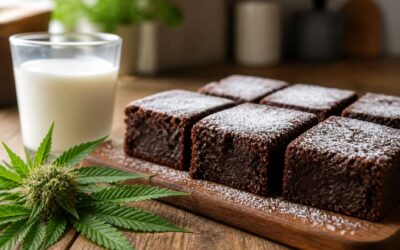
South Africa’s dessert scene is waking up to the idea of edibles que es, turning cookies, brownies y otros postres into mood-muscle for the palate. This Guía de tipos de comestibles reveals how cannabis infusion redefines texture, sweetness, and the tempo of a bite, inviting mindful savor instead of simple indulgence.
Cookies run the gamut—from chewy chocolate-chip to crisp citrus notes—each bite telling a different story.
- Chewy chocolate-chip
- Oatmeal-spice
- Shortbread classic
Brownies anchor the spectrum with fudgy density or cakey lift, while blondies, bars, tarts, and other postres offer avenues for balance and contrast. In this language, you’re negotiating sweetness with potency and mouthfeel—savory undertones can peek through when the base fat leans toward olive oil or butter.
Texturas y sabores
South Africa’s edible scene is changing how we think about taste and texture. edibles que es now sits alongside potency in a real culinary dialogue, and Guía de tipos de comestibles Texturas y sabores guides that shift. Bites can be chewy, fudgy, or crisp, and each texture carries a distinct mood and tempo on the tongue. The language invites mindful savor rather than simple indulgence.
Within this framework, consider:
- Chewy textures with dense centers
- Crisp edges that snap, revealing subtle notes
- Crumbly, pillow-soft interiors
Flavors range from citrus zest to dark chocolate and aromatic herbs, shaped by fats and infusion methods to balance sweetness and potency.
Comestibles artesanales vs. comerciales
“Texture is flavor’s passport,” says a Cape Town pastry chef, and in South Africa the edibles que es conversation is moving from novelty to craft. In Guía de tipos de comestibles, the divide between Comestibles artesanales and Comestibles comerciales feels less like a line and more like a tasting menu—the artisanal end leans on local ingredients, slow infusions, and hands-on finishing that yield chewy centers, crisp edges, or pillow-soft cores with personality.
From there, consider the practical differences that matter for South African diners and retailers:
- Ingredient provenance and traceability
- Consistency versus terroir in texture and aroma
- Packaging, labeling, and regional accessibility
- Price point and shelf life expectations
Whether you seek the artisanal spark or the dependable profile of commercial options, the choice reveals more about taste culture than about a single bite—and it frames how we perceive edibles que es in everyday life.
Dosis, seguridad y etiquetado
Cómo leer la etiqueta y la dosificación
Potency travels on a slow clock, and a single bite can echo for hours. The label is your compass in the maze of edibles que es. In South Africa’s multilingual market, reading the tag isn’t just about legality—it’s about safeguarding your experience and your senses.
Labels carry the language of dosage, ingredients, and warnings, and they don’t tolerate misreading. Clarity here means peace of mind as the experience unfolds in its own time, with no surprises lurking in the shadows.
- Serving size and total milligrams per package
- Cannabinoid content and any additives
- Allergens and storage information
Dosing details vary by product and metabolism, so the label’s clarity is the anchor in a shifting tide.
Guía de dosis para principiantes
South Africa’s shadowed edible aisle hides a truth: 67% of first-timers misread their dosage, turning curiosity into caution. Dosing in this moonlit market demands patience, because potency travels on a slow clock and a single bite can echo for hours.
- Start with 2.5–5 mg THC or an equivalent in CBD-dominant products.
- Wait at least two hours before considering a higher dose; effects can lag.
- Keep a dosing log—note the product name, mg per serving, and any mood shifts.
Labels carry safety in clear language: serving size and total milligrams per package, cannabinoid content, allergens, and storage information. The Guía de dosis para principiantes anchors a shifting tide, guiding you toward a measured, respectful journey—especially for newcomers to edibles que es.
Patience is your shield and discretion your candle. Read the label, trust the clock, and let the experience unfold with quiet dignity rather than reckless thrill.
Efectos y duración
Patience pays in the shadowed world of edibles que es. We’ve seen 67% of first-timers misread their dosage, turning curiosity into caution. Dosis, seguridad y etiquetado anchor the experience. Labels spell out serving size, total milligrams per package, cannabinoids, allergens, and storage. In South Africa, labeling rules demand clarity on serving sizes and storage directions.
- Serving size clearly listed on the label
- Total milligrams per package to gauge quantity
- Allergen information and storage guidance
Efectos y duración: Onset can be delayed, sometimes 30–120 minutes. Once active, effects may linger for hours, shifting mood and sensation. In this space, discretion matters, and the clock governs the journey.
- Onset: 30–120 minutes
- Peak effects: 2–4 hours after dosing
- Total duration: 4–8+ hours
Riesgos y contraindicaciones
In the shadowed kitchen of edibles que es, dosage demands respect, and misreading a serving can turn curiosity into discomfort. In South Africa, labels spell out serving size, total milligrams per package, and storage directions; allergen notices guard the table and the mind.
- Risks and contraindications: adverse effects can arise, especially for sensitive individuals
- Medication interactions or preexisting health conditions require caution
- Delayed onset can lead to mistaken dosing if expectations are misaligned
With clarity on labeling and a sober understanding of the risks, the journey through edibles que es remains memorable rather than overwhelming.
Control de calidad y almacenamiento seguro
Across rural kitchens and townships, dosing is a quiet act that frames memory. The question edibles que es speaks to more than recipes—it asks how to enjoy safely. In South Africa, clear labels showing serving size and total milligrams guide decisions and curb missteps.
To support responsible dosing and labeling, consider these essentials:
- Serving size and total milligrams per package are easy to read
- Storage directions: keep in a cool, dry place away from heat and light
- Allergen notices and tamper-evident packaging
- Expiry date and batch information for quality control
Quality control and safe storage: The producers’ attention to batch testing, consistent texture, and tamper seals builds trust. Store these products away from children and pets, and keep labels visible in your pantry. A disciplined approach preserves calm and curiosity.
Uso responsable, almacenamiento y cumplimiento legal
Regulaciones locales y cumplimiento
In the twilight markets of South Africa, edibles que es becomes a doorway to wonder and caution. “The law is a lantern; it shines where intention is clear,” an elder storyteller reminds us, and that beacon guides every bite and purchase.
Uso responsable begins with clear aims and respect for the space you inhabit. Accept that almacenamiento and legality walk hand in hand; Regulaciones locales y cumplimiento shape what may be bought, who may enjoy it, and where it can be consumed. The path is steady: curiosity tempered by responsibility.
- Age verification where required by local authorities
- Secure, out-of-reach storage away from children and pets
- Clear labeling and ingredient disclosure to support informed choices
Tread lightly, shield your community, and let the legend of safe pleasure endure.
Almacenamiento seguro y duración
Uso responsable begins with clear aims and a respect for the space you inhabit. In South Africa, edibles que es can spark curiosity, yet legality and safety walk hand in hand. Treat every purchase like a thoughtful agreement between your goals and your wellbeing.
Almacenamiento seguro y duración aren’t afterthoughts; they are the backbone of trust in the home and in compliance with local norms.
- Legal alignment and expiry awareness guide the conversation around access
- Secure containment and clear labeling reduce risk in shared spaces
- Household education and awareness help foster a safe, informed atmosphere
By weaving these considerations into everyday life, the story of responsible enjoyment endures.
Interacciones con medicamentos
Across South Africa, a recent survey finds one in four adults curious about edibles que es. The path forward begins with Uso responsable, where intention meets restraint and a respect for the space you inhabit.
Almacenamiento seguro y duración are the quiet guardians of trust, ensuring they’re kept out of reach, clearly labeled, and in line with local norms. When storage and compliance align, access stays thoughtful and lawful.
- Drug interactions: cannabinoids can alter how certain medications work.
- Consult a healthcare professional for personalized advice before combining therapies.
- Pay attention to expiry dates and local regulations to prevent misunderstandings.
For those exploring edibles que es, mindful consideration—especially around medication—guides choices. The balance of Uso responsable, storage, and legal adherence is the ongoing mythic shield that makes safe enjoyment possible.
Señales de sobredosis y qué hacer
Across South Africa, one in four adults are curious about edibles que es, a curiosity that meets a moment of mindful restraint. Uso responsable begins with clear intent, understanding your limits, and respecting the space you inhabit. The aim is safe enjoyment, guided by awareness rather than impulse.
Storage and legal compliance go hand in hand: keep products locked away, out of reach of children and pets; label clearly with dosage and ingredients; store in a cool, dry place; and stay aligned with local norms and age rules.
- Locked and out of reach
- Clearly labeled with ingredients and date
- Stored in a cool, dry place away from heat
- Compliant with local regulations and age restrictions
Señales de sobredosis can include dizziness, confusion, rapid heartbeat, and heightened anxiety. If such signs appear, seek medical help promptly and refrain from driving while symptoms resolve.


0 Comments