Understanding Edibles and Their Effects
What Are Edibles? – Definition and common types of cannabis edibles
In a world where medicinal cannabis continues to carve out its rightful place, understanding the nuances of edibles becomes increasingly vital. Edibles, in essence, are food products infused with cannabis extracts, offering a discreet and often more palatable alternative to traditional methods of consumption. For those seeking relief with edibles when sick, the experience can be both profound and nuanced, transcending mere ingestion to evoke a symphony of physiological and psychological responses.
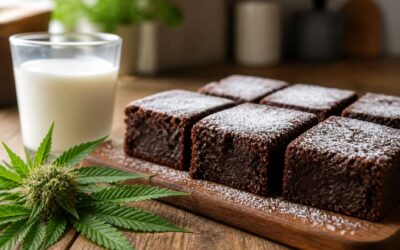
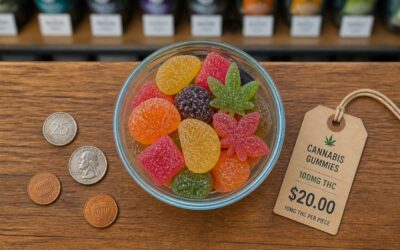
Common types of cannabis edibles include a diverse array of confections and beverages—think chocolates, gummies, baked goods, and infused teas. Each type boasts unique absorption rates and onset times, making the choice of edible an art form in itself. When considering edibles when sick, it’s crucial to recognize how their effects integrate into the body’s complex healing processes. The potency, duration, and overall impact depend significantly on the specific type of edible chosen, and a deep understanding of these variables can enhance both safety and efficacy.
For those navigating the realm of edibles, familiarity with the different forms can be illuminating:
- Gummies and candies, offering a controlled dose and ease of use.
- Baked goods, which provide a more gradual onset and longer-lasting relief.
- Infused drinks, delivering hydration alongside medicinal benefits.
Engaging with edibles when sick requires an appreciation of their complex pharmacokinetics, ensuring that their calming or analgesic properties are harnessed without overwhelming the senses. It’s a delicate dance—one that demands both knowledge and mindfulness to navigate effectively.
How Edibles Work in the Body – Metabolism of edibles and activation of effects
When it comes to edibles when sick, understanding how they work in the body can feel like unraveling a mystery novel — except the plot twist is your own metabolism. Once ingested, cannabis-infused treats embark on a slow, yet deliberate journey through your digestive system. Unlike inhaling, which delivers quick relief, edibles must be metabolized in the liver, transforming THC into a more potent form known as 11-hydroxy-THC. This process can make effects feel more intense and last longer—sometimes up to 8 hours!
To make sense of this complex dance, consider these key steps:
- The edible is digested and broken down in the stomach.
- The cannabinoids are absorbed into the bloodstream via the intestines.
- The liver processes THC, converting it into a form that crosses the blood-brain barrier more efficiently.
This metabolic journey explains why edibles when sick can be a double-edged sword—offering sustained relief but requiring patience and mindful dosing. The effects are not just about how much you take but also about how your body processes the edible, making each experience uniquely tailored to your physiology.
Differences Between Edibles and Other Consumption Methods – Comparison with smoking, vaping, and tinctures
Edibles are gaining popularity, especially for those seeking relief when sick, because they offer a discreet and long-lasting option. But how do they compare to smoking, vaping, or tinctures? Each method interacts with your body differently, affecting the onset, duration, and intensity of effects. For instance, smoking and vaping deliver cannabinoids directly to the lungs, resulting in rapid relief—often within minutes. However, this quick action can sometimes be too intense or abrupt, especially if you’re already feeling unwell.
In contrast, edibles when sick require patience. They travel through your digestive system, where they are metabolized in the liver before reaching your bloodstream. This process produces a more potent form of THC, leading to a slower onset—sometimes up to an hour—and effects that can last for several hours. Because of this, they’re often preferred for their sustained relief, but they demand mindful dosing and a bit of patience.
- Inhalation methods like smoking and vaping are fast but can be harsh on a sore throat or respiratory system.
- Tinctures offer a middle ground—quick absorption with the ability to control dosage via sublingual administration.
- Edibles when sick provide a more gradual, longer-lasting effect, ideal for ongoing discomfort or pain management.
Understanding these differences ensures that using edibles when sick aligns with your needs, offering relief without the drawbacks of rapid onset or respiratory irritation. Each method has its unique profile, and knowing what suits your condition can make all the difference in managing symptoms effectively.
Health Considerations When Using Edibles While Sick
Potential Benefits – Pain relief, nausea reduction, and mood stabilization
In the quiet chaos of illness, the desire for relief often clashes with the limitations of traditional medications. Edibles when sick offer a nuanced alternative—an avenue to soothe pain, quell nausea, and stabilize mood without the harshness of inhalants. Unlike other consumption methods, edibles deliver a slow, sustained release, allowing the effects to unfold gradually and gently, which is often preferable when the body is vulnerable.
Potential benefits extend beyond mere symptom relief. For many, edibles when sick become a subtle, almost poetic act of self-care—an acknowledgment that healing isn’t always linear. Pain relief can be achieved without the sedation that sometimes accompanies pharmaceuticals, and nausea reduction becomes a gentle, almost restorative process. Mood stabilization, in turn, helps anchor the mind amid physical discomfort, fostering resilience in moments of vulnerability. Sometimes, the quiet power of edibles provides a refuge—a moment of calm amid the storm of illness.
Risks and Precautions – Overdose risks, delayed onset effects, and interactions with medications
While edibles when sick can offer soothing relief, they are not without risks. One critical concern is overdose, which can occur if dosing isn’t carefully managed. Unlike inhaling cannabis, where effects are felt almost immediately, edibles have a delayed onset—sometimes taking up to two hours to fully manifest. This can tempt some to consume more, inadvertently increasing the risk of overconsumption.
It’s also vital to consider interactions with medications. Edibles can interfere with certain prescriptions, especially those metabolized by the liver, altering their effectiveness or causing adverse reactions. For those with underlying health conditions, consulting a healthcare professional before trying edibles when sick is highly recommended.
To navigate these risks, start with a low dose and wait patiently before considering more. Remember, patience is key—especially when healing. For safety, always be aware of potential interactions and the delayed effects of edibles when sick. A cautious approach ensures that self-care remains a positive experience, not a setback.
Consulting Healthcare Providers – When to seek medical advice before trying edibles
In the delicate dance between healing and self-care, consulting a healthcare provider before exploring edibles when sick is paramount. While the allure of relief from symptoms like nausea or pain can be compelling, the potential for adverse interactions with existing medications warrants careful consideration. Medical guidance ensures that the body’s complex chemistry isn’t thrown into disarray, especially when battling illness.
For those contemplating the use of edibles when sick, understanding the nuances of their effects is vital. Certain health conditions, such as liver impairments or cardiovascular issues, can amplify risks associated with cannabis consumption. To navigate this terrain safely, it’s wise to seek professional advice—particularly if you’re on prescription drugs or managing chronic illnesses. Remember, a healthcare provider’s insight can illuminate potential pitfalls and help tailor an approach that harmonizes with your unique health needs.
When in doubt, a simple step—like making a list of medications or symptoms—can facilitate an informed discussion with your doctor. It’s always better to err on the side of caution, especially when the goal is to promote wellness and recovery. After all, the journey to health should be gentle, deliberate, and guided by expertise, ensuring that edibles when sick become a tool for healing rather than a complication.
Best Practices for Taking Edibles When Sick
Starting with Low Doses – Guidelines for initial intake to minimize side effects
When you’re feeling under the weather, the last thing you want is an unpredictable experience with edibles when sick. Starting with low doses is not just a recommendation—it’s a survival tactic. The delayed onset of edibles can make it tempting to increase your intake prematurely, but patience truly is a virtue here. Remember, the goal is to ease symptoms without turning your sick day into a rollercoaster ride.
To minimize side effects, opt for a conservative starting dose—think micro-dosing—and wait at least two hours before considering more. This cautious approach helps you gauge how your body reacts without the risk of overdoing it. If you’re unsure, a simple
- consult your healthcare provider
can save you from unnecessary discomfort. After all, when it comes to edibles when sick, a little restraint goes a long way in ensuring comfort and relief.
Timing and Dosage – Optimal timing and dose adjustments based on illness
When illness strikes, the timing and dosage of edibles when sick become critical components of a safe and effective relief strategy. The body’s altered state during illness can significantly influence how cannabinoids are metabolized, making precise adjustments essential. An overly generous dose or poorly timed ingestion might transform what should be a comforting experience into an unwelcome ordeal.
Optimal timing hinges on understanding the delayed onset characteristic of edibles. Typically, effects can take anywhere from 30 minutes to two hours to manifest fully. During this window, patience is paramount—resisting the urge to re-dose prematurely can prevent overconsumption and adverse side effects. In some cases, a light, micro-dose—carefully calibrated to your body’s particular needs—can provide gentle relief without overwhelming your senses.
Adjusting dosage based on the severity and type of illness is vital. For example, minor discomfort might warrant a conservative approach, while more intense symptoms could justify a slightly increased dose. However, always listen to your body’s cues and consider a
- consultation with a healthcare provider
before experimenting with edibles when sick. Remember, when navigating the nuanced realm of edibles, especially amidst illness, moderation and mindfulness are your most reliable allies. The goal is to enhance comfort without risking the unpredictable effects that can come from misjudged timing or dosage.
Monitoring Effects – Tracking symptoms and side effects for safety
Monitoring effects after taking edibles when sick is an essential, often overlooked component of safe consumption. The body’s response to cannabinoids shifts dramatically when illness clouds your system, making vigilant tracking vital. Knowing how you feel—physically and mentally—can be the difference between soothing relief and an unsettling experience. Every individual’s reaction is unique, and subtle signs can reveal whether the dose hits the mark or needs adjustment.
Keeping a detailed symptom journal is a simple yet powerful practice. Note the time of ingestion, dosage, and any emerging sensations—such as drowsiness, nausea, or increased discomfort. This ongoing record helps identify patterns and informs future dosing decisions. Moreover, paying close attention to side effects—like dizziness or heightened anxiety—can prevent escalation into more serious adverse reactions. When navigating edibles when sick, a mindful approach to effect monitoring ensures that the journey remains safe and beneficial rather than unpredictable or overwhelming.
Types of Edibles Suitable When Sick
Non-Psychoactive Options – CBD products and other low-THC edibles
When battling illness, the last thing anyone wants is to complicate their recovery with unpredictable side effects. Fortunately, non-psychoactive options such as CBD products and low-THC edibles offer a gentle alternative that can soothe discomfort without the high. These edibles when sick provide a calming influence, helping to alleviate symptoms like nausea and inflammation while maintaining mental clarity. Since they contain minimal THC, they are particularly suitable for those seeking relief without the psychoactive effects that can sometimes worsen feelings of fatigue or disorientation.
Choosing the right type of edible during illness hinges on your specific needs and sensitivities. CBD-rich edibles, such as gummies, capsules, or tinctures, are popular for their potential anti-inflammatory and anxiolytic properties. They are often preferred because of their predictable effects and ease of dosing. For individuals cautious about THC, exploring these options ensures comfort while still gaining the potential benefits of cannabis-derived products. Remember, starting with a low dose and observing how your body responds is essential to safely navigating edibles when sick.
Comfort-Focused Edibles – Suppositories, teas, and tinctures
When illness strikes, comfort becomes the priority—yet many seek relief without the foggy aftermath of traditional methods. Enter the realm of non-psychoactive options, such as suppositories, teas, and tinctures. These forms of edibles when sick are meticulously designed to deliver soothing effects directly, bypassing the digestive system’s unpredictable pathways. Their discreet nature and rapid onset make them ideal for those needing gentle, targeted relief.
Suppositories, for instance, are a discreet choice that can provide rapid alleviation from nausea and inflammation, especially when swallowing becomes difficult. Meanwhile, herbal teas infused with calming cannabinoids or CBD extracts can be sipped throughout the day, offering a steady wave of relief without overwhelming the senses. Tinctures, with their concentrated potency, allow precise dosing—perfect for adjusting to individual needs during illness.
- Suppositories for quick absorption and targeted relief.
- Teas for gentle, sustained comfort and hydration.
- Tinctures for customizable doses and versatile use.
These edibles when sick exemplify a nuanced approach—balancing efficacy with safety—ensuring that relief is both effective and gentle. The key lies in understanding how each form interacts with your body, respecting the delicate balance required during illness, and trusting in the subtle power of these comfort-focused options.
Avoiding High Psychoactivity – Choosing edibles that promote relief without intoxication
When battling illness, the last thing you want is to feel overwhelmed or intoxicated. Fortunately, there are edibles when sick that prioritize relief without the psychoactive haze. Non-psychoactive options like CBD-infused products, herbal teas, and suppositories are game-changers. These forms of edibles are designed to deliver targeted comfort while maintaining a clear head.
CBD products, in particular, have gained popularity for their ability to reduce inflammation, soothe nausea, and promote relaxation without the intoxicating effects of THC. For those seeking gentle, sustained relief, herbal teas infused with calming cannabinoids or CBD extracts provide a soothing ritual—perfect for sipping throughout the day. Suppositories, on the other hand, offer rapid absorption and localized relief, especially when swallowing becomes difficult.
In essence, choosing the right edibles when sick hinges on understanding their interaction with your body. Opting for low-THC or CBD-dominant options ensures comfort without the risk of impairment, making them an indispensable part of the recovery toolkit.
Legal and Safety Considerations
Legal Status of Edibles – Understanding local laws regarding cannabis consumption
When considering edibles when sick, understanding the legal landscape is paramount. Cannabis laws vary dramatically across South Africa, with some regions embracing medicinal cannabis and others imposing strict restrictions. Before exploring edibles as a remedy, it’s crucial to know the local legal status to avoid unintended legal complications. In many areas, possession or use of cannabis products without proper authorization can lead to hefty fines or criminal charges.
Legal considerations extend beyond mere possession; they encompass the types of edibles permitted and their intended use. For instance, low-THC CBD edibles are often legally available for medicinal purposes, while high-THC varieties might be restricted or require specific licensing. To navigate this complex terrain, consult official government resources or legal experts. Remember, ignorance of the law can be costly, especially when exploring edibles when sick, where the risk of unintentional overdose or adverse interactions is heightened.
- Verify if medicinal cannabis is legal in your jurisdiction.
- Ensure you are purchasing from licensed vendors.
- Understand the permissible THC levels for edibles when sick.
Staying informed about the legal status not only safeguards you but also ensures a safe, responsible approach to using cannabis products for health and wellness. Always prioritize legal compliance to enjoy the potential benefits of edibles without unintended consequences.
Purchasing from Reputable Sources – Ensuring product quality and dosage accuracy
In the intricate dance of healing, where nature’s remedies intertwine with human necessity, the importance of purchasing from reputable sources cannot be overstated. When considering edibles when sick, one’s health journey hinges on the purity and precision of each dose. A product’s origin and manufacturing standards serve as the bedrock of safety, safeguarding against unforeseen adverse effects. In South Africa’s evolving legal landscape, only licensed vendors can guarantee that what you consume aligns with stringent safety protocols.
Ensuring product quality involves verifying labels for clear dosage information and THC levels. To navigate this delicate terrain, consider these essential steps:
- Confirm that the vendor holds the necessary licenses for medicinal cannabis sales.
- Review third-party lab reports to authenticate potency and purity.
- Be vigilant about the source’s reputation within the community of responsible consumers.
When choosing edibles when sick, this meticulous approach transforms into a safeguard—a shield that defends your well-being while unlocking the potential of cannabis as a gentle, natural remedy. Remember, true reassurance lies in transparency, and only through trusted sources can you truly harness the healing power of edibles without risking unwelcome surprises or compromised health.
Storage and Discretion – Safe storage tips and respecting privacy
In the delicate realm of health and recovery, the way we store and handle edibles when sick can make all the difference. Proper storage isn’t just about keeping your cannabis products fresh; it’s about safeguarding your health and respecting your privacy. An unsealed edible left within reach of curious children or pets transforms from a natural remedy into a potential hazard—so secure, opaque containers are non-negotiable.
Discretion remains a vital aspect, especially when considering edibles when sick. Respecting the privacy of your medicinal routines ensures comfort and peace of mind—whether at home or in public settings. Using discreet packaging, such as unassuming tins or sealed jars, helps maintain confidentiality and prevents accidental exposure. Remember, in South Africa’s evolving legal landscape, responsible consumption hinges on both safety and confidentiality.
For added safety, label your containers clearly with dosage information and THC levels, and store them in a cool, dark place away from children or unintended users. These simple yet effective precautions foster a safe environment for your healing journey, allowing you to enjoy the natural benefits of edibles when sick without unnecessary worry. After all, protecting your health isn’t just about dosage and legality—it’s about creating a secure space where wellness can flourish.
Alternatives to Edibles for Managing Symptoms When Sick
Other Cannabis Products – Topicals, tinctures, and vaporizers
When the malaise of illness descends, many seek solace in alternatives to edibles for managing symptoms when sick. Topicals emerge as a gentle whisper against the ache, offering localized relief without the cerebral haze. These balms and creams seep into the skin, targeting pain directly where it festers, avoiding the delayed onset associated with edibles when sick. Tinctures, with their discreet dropper, allow for rapid absorption—delivering cannabinoids swiftly into the bloodstream, bypassing the sluggish digestion process that complicates edibles.
Vaporizers, too, present an intriguing option. They deliver cannabis without combustion, reducing respiratory irritation and providing a fast-acting remedy for inflammation or nausea. For those wary of psychoactivity, non-psychoactive options like CBD-rich products offer relief sans intoxication, making them a sensible choice during vulnerable moments. In this darkened world of symptom management, these alternatives to edibles when sick may quietly become the unsung heroes of comfort, offering a more immediate or targeted reprieve amidst the chaos of illness.
Non-Cannabis Remedies – Traditional OTC medications and natural remedies
When illness casts its shadow, many turn to traditional remedies to ease discomfort. Over-the-counter (OTC) medications like paracetamol, ibuprofen, or antihistamines become familiar allies in managing symptoms. Natural remedies, such as herbal teas, honey, and ginger, also offer gentle comfort without the complexity of edibles when sick. These options work swiftly and are often easier to dose, providing relief without the delayed effects associated with edibles.
For those seeking alternatives that harmonize with their body’s needs, a combination of natural and medicinal remedies can be particularly effective. For example, a warm tea infused with soothing herbs or a topical balm for localized pain can complement each other beautifully. When considering edibles when sick, exploring these non-cannabis remedies can create a symphony of relief—offering a more immediate, targeted approach that feels almost like a gentle balm for the soul.
Lifestyle Adjustments – Rest, hydration, and optimal nutrition
When illness shadows your days, embracing the subtle art of lifestyle adjustments can be a balm for your weary soul. Rest becomes a sanctuary, wrapping you in its gentle embrace, while hydration acts as a vital elixir to keep your defenses fortified. Nourishing your body with optimal nutrition fuels recovery, transforming mundane meals into potent healing rituals.
Sometimes, a simple act like sipping warm herbal teas infused with soothing herbs or munching on fresh ginger can work wonders—offering gentle relief without the waiting game of edibles when sick. Incorporating these natural remedies into your routine can create a symphony of comfort, harmonizing with your body’s innate wisdom. Remember, listening to your body and adjusting your intake accordingly can turn recovery into a more graceful journey, where every small step feels like a gentle whisper of healing.


0 Comments