Understanding Texas Cannabis Laws
The Distinction Between Marijuana and Hemp
Texas law draws a hard line between marijuana and hemp. The difference comes down to delta-9 tetrahydrocannabinol (THC) concentration. Hemp contains less than 0.3% delta-9 THC by dry weight. Marijuana exceeds that threshold. That single percentage dictates everything!
For edibles, I tell clients that the legal status hinges on this classification. Hemp-derived edibles with compliant THC levels are legal. Marijuana-derived edibles are not. This is why you’ll find CBD gummies and other hemp products on shelves across the state. When you ask what edibles are legal in Texas, the answer always starts with the plant’s THC content.
To keep things straightforward:
– Check the certificate of analysis for the product.
– Confirm the delta-9 THC is below 0.3%.
– Verify it was made from hemp, not marijuana.
That distinction is the core of Texas cannabis law. Get it wrong, and you’ve crossed into illegal territory.
The 2018 Farm Bill and Texas HB 1325
When Congress passed the 2018 Farm Bill, it suddenly became possible to buy hemp products without a lawyer on speed dial. That law removed hemp from the controlled substances list, which kicked off the modern CBD era. Texas followed suit with HB 1325 in 2019, creating a state framework for growing and selling hemp. These two laws are the foundation for answering what edibles are legal in texas.
HB 1325 also set up a licensing system for processors and retailers. It clarified that hemp extracts, including those used in gummies and chocolates, fall under the same rules. The key points from these laws include:
- Hemp must be tested by an accredited lab.
- Products need a certificate of analysis.
- Retailers face penalties for selling noncompliant items.
That regulatory structure keeps Texas compliant. Without the Farm Bill and HB 1325, your favorite CBD brownie would still be a fantasy.
THC Concentration Limits: The 0.3% Rule
Texas draws a bright line at 0.3% Delta-9 THC by dry weight. Anything above that threshold is marijuana under state law, and no edible crosses that line legally. This measurement matters more than most shoppers realize! A gummy that weighs two grams but tests at 0.35% THC is noncompliant, even if the total THC per piece seems small.
The 0.3% rule applies to the final product, not the starting hemp extract. Processors cannot dilute a high-THC oil into a brownie and call it compliant. Laboratories check finished edibles. This is precisely why what edibles are legal in texas depends on lab results rather than marketing labels.
- THC content is measured after decarboxylation
- Testing uses dry weight, never wet weight
- Certificate of analysis must match the batch on the shelf
Consumers who wonder what edibles are legal in texas often find their answer in those documents. Without them, the 0.3% rule exists only as a number in statute.
Medical Marijuana Program Limitations
Texas holds one of the most tightly controlled medical cannabis registries in the United States. The Compassionate Use Program permits low-THC edibles only for patients who meet specific diagnostic criteria:
– intractable epilepsy
– multiple sclerosis
– Parkinson’s disease
– amyotrophic lateral sclerosis
– post-traumatic stress disorder
A physician must register with the state and prescribe cannabis in a monitored process. Then a licensed pharmacy prepares the product. This limited system directly answers what edibles are legal in texas for most residents. If you are not a registered patient, the medical pathway does not exist for you. Adult recreational use is prohibited. The state keeps medical and adult use in separate legal categories. Understanding what edibles are legal in texas requires knowing which category applies to you. The medical program is narrow by design, and it does not expand simply because a product is an edible.
Recent Legislative Changes
Texas cannabis law does not sit still. Each legislative session carries proposals to nudge the boundaries, and occasionally one passes. Recent sessions have been dominated by a quiet expansion of the medical framework, even as adult use remains firmly illegal.
For anyone tracking what edibles are legal in texas, the changes are subtle but real. In 2021, the Compassionate Use Program dropped narrow product restrictions. In 2023, lawmakers removed the cap on qualifying conditions, granting physicians wider discretion.
- Expansion of the condition list beyond the original handful
- Removal of the seven-condition cap in 2023
- Increased patient limits imposed on dispensing organizations
The direction is clear, though implementation lags behind legislation. Patients still rely on registered physicians and licensed pharmacies. Understanding what edibles are legal in texas means watching these legislative movements closely, since the answer shifts every two years.
Hemp-Derived Edibles: The Legal Gray Area
What Are Hemp-Derived Edibles?
Hemp derived edibles are the butterfly effect of the 2018 Farm Bill, fluttering into Texas with a legal wink. These are products created from the aerial parts of the hemp plant, specifically the flowers and leaves, which are processed into gummies, chocolates, or beverages. The key distinction is that these items must originate from hemp that contains no more than 0.3% delta 9 THC by dry weight. This low concentration allows them to bypass the strict definition of marijuana in state law.
When you ask what edibles are legal in Texas, the answer is found in this specific chemistry. The extraction process isolates the desired compounds from the raw plant material, creating a legal slate. Yet, the market is like a game of regulatory whack a mole. Products can include compounds like delta 8 THC, which are synthesized in a lab. This synthesis is the crux of the gray area, as it creates a psychoactive substance that exists outside the purview of many original statutes. The legal status hinges on a complex interplay of federal law and state enforcement policies.
Here are the common forms you will see on shelves:
– Delta 8 THC gummies
– Delta 9 THC gummies derived from hemp (in compliance with weight limits)
– Hemp derived THC beverages
– CBD isolate infused snacks
The legality is not about the form but the source. If the product derives from a cannabis plant that meets the federal threshold, it can be sold. The state uses a “totality of circumstances” approach, looking at the chemical composition of the final good. Therefore, the question of what edibles are legal in Texas is a binary one, based solely on the percentage of THC present. This means a consumer must be a savvy label reader, as the packaging is the primary legal defense.
Delta-8 THC and Its Legal Status
The legal gray area around delta 8 THC stems from its synthetic origin. This compound is derived from hemp CBD through chemical conversion, not extracted directly from the plant. Delta 8 produces a mild psychoactive effect, yet its legal status remains unsettled in Texas.
State authorities have issued conflicting signals. Some agencies treat delta 8 as a Schedule I controlled substance. Retailers argue that because the source material is legal hemp, the finished product is legal too! I have seen enforcement vary dramatically across counties.
This regulatory conflict directly affects what edibles are legal in Texas. The enforcement landscape shifts depending on the agency involved:
- The Department of State Health Services considers delta 8 illegal
- The Department of Agriculture regulates hemp without addressing delta 8 specifically
- Local district attorneys decide whether to prosecute individual cases
Consumers navigating delta 8 products face an unclear legal picture.
Delta-9 THC in Hemp Products
Texas law creates a curious paradox for hemp derived edibles. The 2018 Farm Bill legalized hemp, which includes any part of the plant with less than 0.3% Delta-9 THC. However, edibles can legally contain much higher concentrations of Delta-9 if they derive from hemp rather than marijuana. This quirk stems from the concentration limit applying to the plant material itself, not the final product.
This loophole allows manufacturers to create gummies and chocolates with noticeable Delta-9 effects. A single hemp derived edible can contain 10 milligrams of Delta-9 THC, far exceeding the 0.3% threshold, yet remain compliant with Texas statutes. The distinction hinges entirely on the source plant, not the dose in your hands. Consumers asking what edibles are legal in Texas often discover this surprising pathway.
Enforcement remains inconsistent across the state. Some jurisdictions treat these products as illegal under broader drug statutes, while others accept the hemp designation. The practical situation for buyers includes:
– Products must originate from licensed hemp growers
– Packaging must include lab reports showing hemp provenance
– Retailers often require age verification at point of sale
The gray area persists because Texas courts have yet to issue a definitive ruling on finished hemp products. Until then, consumers navigate a patchwork of county level interpretations. The legal landscape changes rapidly, and what edibles are legal in Texas today might shift with the next legislative session.
CBD Edibles and Full-Spectrum vs Isolate
In Texas, what edibles are legal in Texas hinges on CBD extraction methods. Full-spectrum CBD retains trace Delta-9 THC; isolate removes all THC. Both qualify as hemp edibles, but full-spectrum products carry a subtle risk. The source plant determines legality, so a gummy with 0.2% THC is legal,and an isolate version with zero THC is too.
For travelers from Cape Town, I have watched this distinction matter. A full-spectrum edible can produce a faint psychoactive effect. Isolate edibles offer zero THC, providing cleaner compliance. Retailers insist on:
- Lab certificates proving hemp provenance
- COAs showing THC under 0.3%
- Batch-specific testing per run
Without these documents, the same gummy could be legal or illegal, depending on county. Understanding what edibles are legal in Texas means checking the lab report, not just packaging!
The Role of the Texas Department of State Health Services
The Texas Department of State Health Services serves as the gatekeeper for hemp derived edibles, yet its enforcement leaves room for interpretation. DSHS requires every consumable hemp product to undergo rigorous testing before hitting store shelves. This includes:
– Verification that the product originated from a licensed grower
– Confirmation of Delta-9 THC concentration below 0.3%
– Proper labeling that includes the batch identification number
The gray area emerges when considering how these rules apply across different product formats. A chocolate bar infused with hemp extract might pass state inspection in one form, while the same extract in a beverage could face additional scrutiny. DSHS retains authority to issue stop-sale orders on products they deem noncompliant, regardless of a retailer’s testing documentation. For anyone asking what edibles are legal in Texas, the practical answer rests on how closely a retailer, rather than a manufacturer, has followed DSHS protocols. The agency’s oversight creates a patchwork of enforcement that shifts with each inspection cycle.
Common Misconceptions About Legal Edibles
A certificate of analysis is not a shield. That is the first lesson of Texas hemp. Many shoppers assume a lab report settles the question of what edibles are legal in Texas, but enforcement is peripatetic, shifting from county to county with changing priorities. A product cleared in one district may be pulled from shelves in the next.
The misconceptions multiply from there. Consider the assumptions people carry:
– All hemp edibles are automatically legal because hemp is legal
– A retailer’s willingness to stock a product means it passed state inspection
– Local ordinances have no bearing on edible legality
Each of these collapses under scrutiny. Texas law offers a framework, not a guarantee. The gray area remains ambiguous by design, and that ambiguity persists until a regulator acts. Knowing what edibles are legal in Texas therefore requires watching enforcement patterns, not reading labels.
Types of Legal Edibles in Texas
CBD Gummies and Candies
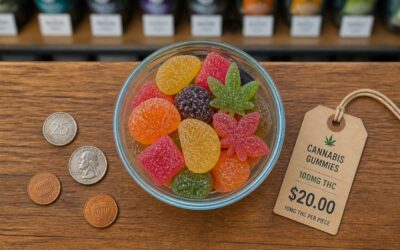
In the quiet aisles of Texas retailers, the most common answer to what edibles are legal in texas often comes in a sweet, chewy form. CBD gummies dominate this market, offering a discreet and palatable entry point for those seeking the therapeutic whispers of hemp without the intoxicating roar. These confections are crafted from legally compliant hemp extract, ensuring their place within the bounds of state law.
Beyond the classic bear, a vast menagerie of candies exists, from sour worms to taffy squares. These products are not mere novelties; they are precisely dosed vehicles for cannabinoids. The legal framework hinges on their derivation, not their flavor profile. As long as the source is compliant hemp, the candy is lawful. Here is a quick look at the common types you will find:
– Gummy squares and rings
– Hard candies and lollipops
– Chocolate bars and bites
– Chewy caramels
The appeal of these edibles lies in their measured consistency. Each piece is a known quantity, allowing for a controlled experience. For many, this is a stark contrast to the unpredictable nature of other consumption methods. The sugar masks the earthy notes of the extract, making the ritual almost pleasant. The market’s growth is visible, with brands expanding their flavor portfolios to entice a broader audience, all while staying firmly tethered to the legal definition of hemp.
Delta-8 THC Gummies and Treats
Delta-8 THC gummies occupy a curious corner of the Texas market. They deliver a mild euphoria, distinct from CBD’s quiet presence, yet still derived from compliant hemp. For many, these treats offer a middle path, a psychotropic experience without the full weight of marijuana’s legality. But the state’s rules remain exacting, and the question of what edibles are legal in texas often hinges on the source and the concentration, not the shape or flavor.
The array of Delta-8 treats has expanded beyond simple gummies. Some brands now offer:
- Delta-8 taffy and chews
- Delta-8 chocolate squares
- Delta-8 fruit leathers
These products must carry clear labeling, including the batch’s cannabinoid profile. I find that consumers often overlook the importance of third-party testing, which verifies the Delta-8 content stays within legal limits. When asking what edibles are legal in texas, the answer often depends on that verified concentration, not the texture or packaging. The experience itself can be subtle, a slow build that requires patience, a lesson in restraint for those accustomed to faster methods.
Hemp-Infused Beverages
A cold can of hemp seltzer is regulated the same way as a gummy, which surprises many people. The Texas market for hemp infused beverages has grown quickly, offering sparkling waters, iced teas, and coffee. Each drink must stay within the federally defined 0.3% Delta 9 threshold. When someone asks what edibles are legal in texas, the answer includes what you pour over ice as much as what you chew.
Common options on the shelves include:
- Hemp seltzers with citrus or botanical essences
- Cold brew coffee enhanced with CBD isolate
- Fermented tea blends with full spectrum hemp extract
Beverages absorb faster than solid edibles, making the onset more noticeable. I often tell newcomers: start with half a can and wait! The labeling on the can reveals the batch number and the exact cannabinoid profile. Asking what edibles are legal in texas means checking those labels, because the rules do not relax simply because the product is liquid.
Baked Goods and Snacks
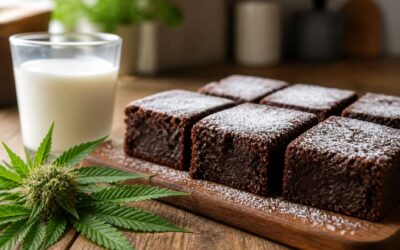
Beyond the gummy jar and the chilled seltzer can lies the baked good. Brownies, cookies, and granola bars carry hemp-derived cannabinoids, each bound by the 0.3% Delta 9 ceiling that governs every edible. The oven grants no leniency! A chocolate chip cookie with excessive THC remains contraband, however innocent it appears.
State regulators examine these snacks as consumable hemp products, demanding lab testing and precise labeling. When someone asks what edibles are legal in texas, the answer includes a tray of infused shortbread as much as a bottle of tincture. Common forms I encounter include:
- Pre-packaged hemp brownies made with isolate
- Savory crackers carrying full-spectrum extract
- Protein bites dosed for micro consumption
Each wrapper must present the batch number and cannabinoid profile. What edibles are legal in texas ultimately depends on that printed proof, not on the flour or the frosting.
Tinctures and Capsules as Edible Alternatives
Not every edible requires chewing. Tinctures slide under the tongue, while capsules skip the chewing altogether. Both count as consumable hemp products under Texas rules. What edibles are legal in texas includes these unobtrusive formats, provided they respect the 0.3% Delta 9 limit. A capsule filled with CBD isolate behaves differently than a full-spectrum tincture, but the law treats them with identical scrutiny. Lab reports remain the deciding factor. In my experience, customers choose tinctures for faster onset and capsules for precise dosing. Consider the practical differences:
- Tinctures offer adjustable doses via dropper, though the earthy flavor is not for everyone.
- Capsules hide the taste entirely but require digestion before effects appear.
For anyone asking what edibles are legal in texas, the label must carry the proof.Not every edible demands chewing. Tinctures slide under the tongue, while capsules skip the masticatory ritual altogether. Both count as consumable hemp products under Texas rules. What edibles are legal in texas includes these unobtrusive formats, provided they respect the 0.3% Delta 9 ceiling. A capsule filled with CBD isolate behaves differently than a full-spectrum tincture, yet regulators treat them with identical scrutiny. Lab reports are the final arbiter. In my experience, customers favor tinctures for faster onset and capsules for precise dosing. Consider the practical differences:
- Tinctures offer adjustable doses via dropper, though the earthy flavor is not for everyone.
- Capsules hide the taste entirely but require digestion before effects appear.
Neither format offers a loophole. For anyone asking what edibles are legal in texas, the printed cannabinoid profile settles the matter.
Specialty Products: Honey, Chocolate, and More
Specialty edibles occupy a curious space in the market. Honey, chocolate bars, and even protein powders now carry hemp derivatives, yet many consumers overlook them when asking what edibles are legal in texas. These products pass legal muster because they use the same 0.3% Delta 9 threshold, but their presentation invites a different kind of scrutiny. A chocolate bar feels indulgent, almost recreational, which makes regulators wary. The law, however, does not care about your intentions. It cares about the certificate of analysis.
The practical appeal of these items lies in their familiarity. You can stir infused honey into tea without measuring a dropper or biting into a gummy that tastes like synthetic fruit. The absorption curve shifts with the food matrix. Fats in chocolate bind to cannabinoids differently than sugar does, and consumers notice. Some report a slower, steadier onset. Others find the effect indistinguishable. I have seen grown adults agonize over a single square of chocolate, treating it with the reverence of a pharmaceutical dose.
The process of labeling matters here. Texas law requires that consumable hemp products display a scannable code leading to lab results. For specialty items, this is non-negotiable. Honey and chocolate are food products first, so the Texas Department of State Health Services expects compliance with food safety standards on top of cannabinoid limits. A manufacturer must prove their product is both safe to eat and legally potent. That dual burden filters out sloppy operators.
Consider the range available:
– Honey infused with CBD isolate, which offers zero detectable Delta 9.
– Dark chocolate bars with full-spectrum extract, requiring careful batch testing.
– Savory snacks like roasted nuts or trail mix coated in hemp oil.
– Syrups meant for pancakes or cocktails, which complicate dosing further.
Each format demands a fresh look at the lab report. The carrier matters. The heat used in production matters. A chemist would tell you that decarboxylation is not guaranteed just because the label says “hemp.” For consumers, the lesson is straightforward. Do not assume purity based on the product shape. Verify the numbers for yourself. The specialty category grows because human beings crave novelty, but the law remains stubbornly indifferent to creativity. So when someone asks what edibles are legal in texas, the honest answer includes these artisan products, provided the paperwork holds up.
Where to Buy Legal Edibles in Texas
Licensed Dispensaries and Retail Stores
To determine what edibles are legal in texas, you must first know where to buy them. Licensed dispensaries serve patients under the Compassionate Use Program. These locations carry only low-THC cannabis items like gummies or tinctures. I have walked through one such dispensary, and the atmosphere felt orderly and serious.
Retail stores offer a broader range of hemp-derived edibles. Delta-8 treats, CBD chocolates, and infused drinks appear on shelves across the state. The exact inventory shifts by county, so confirming local laws is wise. Typical sellers include:
- Hemp specialty retailers
- Wellness and vitamin shops
- Boutique grocery stores
For any buyer, the vendor’s licensing matters as much as the label’s THC percentage. Stick to verified outlets!
Online Retailers and Shipping Restrictions
A package of Delta-8 gummies can arrive at a Texas doorstep within days, but only if the retailer ships to that specific zip code. Online stores have broadened access to hemp edibles beyond physical counters, yet e-commerce introduces a fresh layer of uncertainty. Shipping restrictions often follow local ordinance lines. Some cities, including Austin and Lubbock, have attempted to restrict Delta-8 THC sales. Retailers headquartered in those areas may decline to ship certain products elsewhere.
The question of what edibles are legal in texas becomes less abstract when a delivery truck crosses a county boundary. A CBD chocolate bar shipped legally to Houston may be intercepted in a town with stricter rules. Reputable sellers will display shipping policies upfront. They will also reject orders destined for jurisdictions where the item falls outside legal limits. Buyers should check those disclosures before payment.
Smoke Shops and Vape Stores
Smoke shops and vape stores offer immediate access to legal hemp edibles. Unlike online orders, these locations let you inspect products before payment. The question of what edibles are legal in texas often gets answered at the counter. Staff in reputable shops verify compliance through lab reports.
A trustworthy retailer will show you a certificate of analysis for any item. That document lists the exact Delta-9 THC percentage. You can compare it against the legal threshold of 0.3% on the spot. Many shops even organize shelves by hemp source or potency.
Common products include:
– Delta-8 gummies
– CBD chocolate bars
– Hemp-infused drinks
Always request that certificate. The true answer to what edibles are legal in texas comes from clear labeling and documented testing. Stick with stores that openly share their paperwork.Smoke shops and vape stores offer immediate access to legal hemp edibles. Unlike online orders, these locations let you inspect products before payment. The question of what edibles are legal in texas often gets answered at the counter. Staff in reputable shops verify compliance through lab reports.
A trustworthy retailer will show you a certificate of analysis for any item. That document lists the exact Delta-9 THC percentage. You can compare it against the legal threshold of 0.3% on the spot. Many shops even group products by their hemp source.
Common finds include:
– Delta-8 gummies
– CBD chocolate bars
– Hemp-infused drinks
Always request that certificate before buying. The real answer to what edibles are legal in texas comes from that paper trail. Stick with stores that display it openly.
Farmers Markets and Hemp Expos
Farmers markets across Texas have become unexpected venues for legal hemp edibles. Vendors set up stalls among the produce and baked goods. In my experience, the question of what edibles are legal in texas gets a direct answer when you ask for their paperwork. These sellers often carry small batches from local hemp farms. You won’t find the same selection as a large retail chain, but the provenance is transparent.
Hemp expos offer something different. You can sample products and question manufacturers face to face. Many exhibitors display lab reports without hesitation. The setup encourages real comparisons. You can inspect Delta-8 gummies, CBD chocolates, and infused honey within one hall.
At either venue, documentation decides everything:
- Request the certificate of analysis
- Verify the hemp farm source
- Check the Delta-9 THC percentage yourself
The answer to what edibles are legal in texas stays consistent whether you shop at a market or an expo.
Verifying Product Lab Reports
The real answer to what edibles are legal in texas depends on the lab report, not the storefront. I have bought compliant Delta-8 gummies from a smoke shop in Houston and full-spectrum chocolates from a licensed dispensary. The location matters less than the evidence.
Every legal product needs a certificate of analysis from an independent laboratory. I look for these details before buying:
- The batch number matches the package
- The Delta-9 THC concentration stays under 0.3 percent
- The testing date is recent
At licensed dispensaries, staff hand over reports without a prompt. Online retailers should post them directly on product pages. If a seller cannot produce documentation, I skip the purchase. The law is clear, and verification is your shield.
Age Restrictions and ID Requirements
Retailers must verify your age before completing a sale. Online stores require ID uploads at checkout or delivery. Physical shops scan IDs or manually check birth dates. I always carry a valid driver’s license or passport. A photo of a birth certificate won’t work. The law is unforgiving when you show up empty handed. Sellers face stiff penalties for serving the underage, so they treat every customer like a potential sting. That vigilance is your protection, not an inconvenience.
Common proof of age includes:
- A state-issued driver’s license
- A U.S. passport
- A military ID
Without one of these, the sale stops. That discipline protects both buyer and seller when asking what edibles are legal in Texas. Arrive prepared, keep your ID handy, and the transaction moves smoothly. The question rarely becomes whether you qualify, but whether you brought the right documents to prove it.
How to Verify Legality and Avoid Penalties
Reading Product Labels and Certificates of Analysis
When you want to know what edibles are legal in texas, the product label is your starting point. A proper hemp label states the batch number, the cannabinoid profile, and the exact delta-9 THC concentration. Anything above 0.3 percent on a dry weight basis places you outside Texas law.
Certificates of Analysis go further. These independent lab reports verify the label’s claims. Cross reference the certificate with the batch number on your package. If they do not align, treat the edibles as risky.
- Check the test date
- Confirm the lab is accredited
- Review the delta-9 THC level
Penalties apply even when your intention was honest. Texas regulators look at the product itself. Reading labels and certificates is your primary protection against legal trouble.
Understanding Batch Numbers and Expiration Dates
Batch numbers serve as the unique identifier of every legal edible. They connect a product to its certificate of analysis and reveal the exact production run. When the batch number matches the lab report, you have a verifiable trail. Expiration dates matter just as much. A stale product can degrade its delta-9 THC concentration, potentially shifting it beyond the 0.3 percent threshold.
Understanding batch numbers and expiration dates sharpens your answer to what edibles are legal in texas. A fresh batch with clear provenance is your safest choice. Check these markers before purchase:
- Confirm the batch number matches the certificate
- Verify the expiration date has not passed
- Ensure the product has been stored properly
Neglecting these details creates uncertainty. Regulators scrutinize the product itself, not your intention. A mismatched batch or an expired edible creates legal exposure when determining what edibles are legal in texas.
Avoiding Black Market Products
Under Texas law, a black market edible with measurable delta-9 THC is a state jail felony. Street vendors and social media dealers sell goods with no chain of custody, no accountability to regulators, and no guarantee the product stays within the 0.3 percent limit. That directly contradicts what edibles are legal in Texas.
Sourcing from registered retailers remains the clearest path. A simple checklist covers the essentials:
– Purchase only from licensed dispensaries or approved retailers
– Reject any product without a tamper-evident package
– Confirm the retailer holds a valid hemp permit
Penalties for possessing illicit edibles exceed the price of any bargain. Fines, court costs, and a criminal record linger long after the product is gone. The difference between a legal hemp gummy and a felony charge often comes down to the seller’s license, not the label’s promises. Confiscated black market edibles often contain synthetic cannabinoids or THC levels above the legal allowance. Knowing what edibles are legal in Texas means treating the source with the same scrutiny as the substance.
Traveling with Edibles in Texas
Traveling with edible hemp in Texas invites a specific kind of vigilance. The highway does not care about your intentions, only the contents of your glovebox. Keep the original packaging with the certificate of analysis intact. A sealed container with a clear batch number tells a story of compliance. Loose gummies in a sandwich bag tell a story of possession with intent.
– Store edibles in a sealed, original package
– Keep the certificate of analysis with the product
– Never leave edibles in an unattended vehicle
Penalties for transport do not care about your point of origin. Crossing county lines with a product that tests above the legal limit is a serious matter. A routine traffic stop becomes a legal ordeal when the product is not clearly labeled. The question of what edibles are legal in Texas is settled by the paperwork in your hand. The interstate travel of hemp is federally permitted, but state lines have their own moods. Carry the proof of origin, and treat every inspection as a technical argument.
Potential Legal Consequences of Illegal Edibles
To confirm what edibles are legal in texas, you must trace the product to its origin. Every compliant edible carries a certificate of analysis that matches its batch number. Check the lab report against the package. The THC concentration must stay below 0.3 percent on a dry weight basis. A mismatch between the label and the test results is a red flag. Verify these elements before any purchase:
– The lab is ISO certified
– The test date is recent, within three months
– The product has a tamper evident seal
Potential legal consequences for illegal edibles are severe. Possessing an edible that exceeds the limit is a state jail felony in many counties. Fines can reach thousands of dollars. A conviction remains on your record permanently. Courts do not treat a mislabeled hemp product differently from marijuana. Your only defense is the documentation you hold at the moment of inspection.
Resources for Staying Informed
Verification is the only shield between a compliant purchase and a shadowy legal outcome. When you ask what edibles are legal in texas, the answer lives in the paperwork, not the packaging. The state does not rely on a vendor’s word, nor should you. A proper certificate of analysis must name the exact batch you hold, and the numbers must align with the label’s claim. If the lab report references a different lot number, the product fails the test. If the THC percentage hovers near that 0.3 percent ceiling, request a second opinion from an independent facility. The documentation is your proof, and without it, you own a risk.
Staying current requires a few deliberate habits. Laws shift quietly, often without fanfare at the capitol.
1. Check the Texas DSHS website each quarter for updated regulatory notices.
2. Follow the Hemp Program page for enforcement bulletins and policy clarifications.
3. Consult a local attorney who specializes in agricultural law for nuanced changes.
These resources offer the only reliable map for what edibles are legal in texas. A retailer’s assurance holds no weight in a courtroom. The state’s official channels do.


0 Comments