Edibles Duration Fundamentals
How Edibles Work in the Body
Across South Africa, timing shapes more than taste—68% of tasters say edibles how long do they last determines the arc of a night. The journey from bite to bloom is as much about patience as potency, a slow, lyrical ascent.
Edibles embark on a different voyage than inhaled cannabis. In my experience, the liver metabolism converts delta-9-THC into 11-hydroxy-THC, a compound that travels longer and deeper, producing a gentler onset and a more persistent chorus of effects.
That orchestration is sensitive to several variables, shaping duration:
- Metabolism and body composition
- Dose, product type, and presence of fats
- Food in the stomach and overall activity
Onset, Peak, and Total Duration
Around South Africa, the question edibles how long do they last becomes a shared night-time itinerary—less about chemistry, more about tempo and memory. The journey from first bite to lingering note is a patient art, a slow ascent that rewards listening and presence.
To navigate duration, think in three acts: onset, peak, and total duration. The following patterns offer a practical rhythm:
- Onset: typically 30–90 minutes after consumption, influenced by stomach content and individual metabolism.
- Peak: commonly 2–4 hours in, when effects feel strongest and the senses align.
- Total duration: often 6–12 hours, with tapering effects lingering beyond the main crest.
If you’re asking edibles how long do they last, the answer is highly personal and anchored in your moment, your meal, and your mood. The pace of the night will bend to your listening and the room you share.
Key Factors That Affect How Long Edibles Last
Time is a patient phantom, stretching across a South African night as if the veld itself sighs. When exploring edibles how long do they last, readers meet a constellation of factors that refuse a single timetable and reward careful listening to the body’s quiet currents.
- Metabolism and individual tolerance shaping timing
- Stomach contents and recent meals altering absorption
- Potency, dose, and cannabinoid profile guiding duration
- Product form and release mechanism (baked, chewy, or slow-release)
- Mood, hydration, and sleep pattern influencing the night’s rhythm
From first glow to lingering hush, duration threads the evening with a personal cadence, a shadowy score written in the body’s quiet ledger.
Potency and Duration: THC, CBD, and Terpenes
In a South African night, a single edible can rewrite the timetable of your senses. Potency doesn’t just set the peak; it tunes how long it lingers. When readers ask edibles how long do they last, the answer isn’t fixed—THC, CBD, and the terpene chorus shape the tempo.
Core levers to watch include:
- THC potency and dose
- CBD contribution and interaction
- Terpene profile and entourage effects
Beyond potency, product form and release mechanism—baked, chewy, or slow-release—set the rhythm, while mood and hydration tune perception. The night keeps its secrets, and your body writes the rest.
Edible Types and Their Lasting Power
Gummies vs Chocolates vs Baked Goods: Duration Differences
In a city that keeps its secrets, edibles how long do they last becomes a nocturnal map of flavor and time. “Taste is memory,” whispers the night, and gummies, chocolates, and baked goods each claim their own hour, especially under South African skies where the air tastes of wood and distant ocean. The duration isn’t fixed; it shifts with fat content, metabolism, and the setting of consumption!
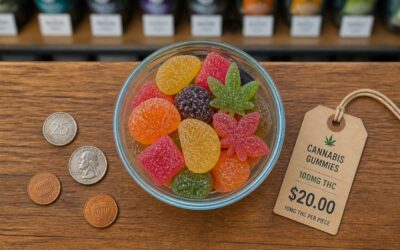
- Gummies tend to release cannabinoids steadily, often 4–6 hours of noticeable effects.
- Chocolates, with higher fat content, can extend to about 4–8 hours.
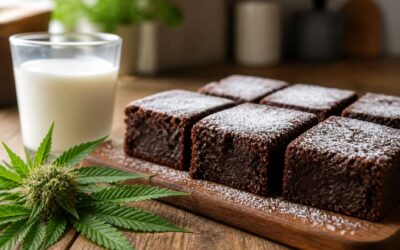
- Baked goods vary more, hovering around 4–6 hours depending on texture and infusion.
Understanding these patterns lets you map the night with intention, rather than surprise, as you walk the shadows of edibles.
Oil- and Butter-Based Edibles: Longevity Clues
Under a SA sky, flavors drift through the evening like stories told around a generator. When we ask ‘edibles how long do they last’, the answer isn’t the same recipe for every plate. Oil-based treats tend to weave a slower, steadier echo, while butter-rich bites carry a fuller, friendlier warmth that lingers in memory and in the day after.
- Oil-based edibles release cannabinoids more gradually, extending the feel into a gentle, longer arc.
- Butter-based edibles, with higher fat content, often carry that warmth longer and with richer flavor.
- Texture and infusion quality can shift duration, reminding us flavor and time travel together.
In the end, the night tells its own tale—sound of late crickets, the scent of wood smoke, and the memory of taste.
Concentrates and Higher-Dose Edibles: Longer or Shorter
“The longer the echo, the sweeter the memory,” says a Cape Town chocolatier, and in SA kitchens the evenings feel that way too. edibles how long do they last becomes a question of form and dose, not just intensity.
Concentrates deliver a higher concentration of cannabinoids, so onset is often quicker and the effect more focused. With higher potency, a small dose can lengthen the afterglow, while a larger dose may compress the experience into a longer, heavier arc.
- Distillate- or isolate-based oils for precise, predictable dosing
- Live resin or waxes for richer terpene profiles
- Careful, higher-dose edibles with measured portions
Higher-dose edibles can extend the lasting power, but the tail varies with metabolism, hydration, and activity. The result is a perceptible linger—strong at first, then a softer memory that sticks around.
Label Literacy: Decoding Serving Sizes and Duration Clues
Edible types carry their own rhythm, and the clock hides in the packaging. ‘The longer the echo, the sweeter the memory,’ a Cape Town chocolatier once whispered, and SA kitchens feel that truth—the form you choose shapes how long it lasts as much as the dose. Gummies, chocolates, and baked goods each carry a distinct tempo, demanding patient reading of what’s inside!
Label literacy is practical, not mystical. For readers asking edibles how long do they last, decoding the packaging tells you when effects wind down. Consider these cues:
- Per-serving mg THC and CBD
- Total mg per package
- Estimated duration on label
- Allergens and ingredients
From there, timing cues help align expectations with the edible type. The fat matrix—cocoa butter in chocolates, coconut oil in gummies, dairy fats in baked goods—modulates absorption and linger; in SA kitchens, the difference between a quick peak and a longer tail becomes apparent.
Use-Case Duration Scenarios
Recreational Use: Typical Duration by Dose
In South Africa, I’ve watched friends map a day around a single edible, chasing a clock that doesn’t keep perfect time! For readers curious about edibles how long do they last, the answer is that dose, metabolism, and setting shape the hours. The rhythm shifts from person to person, yet there’s a recognizable arc that shows up in most recreational outings.
- Low dose (5–10 mg THC): onset 30–90 minutes; effects commonly fade after 4–6 hours.
- Moderate dose (10–20 mg): peak around 2–4 hours; duration 6–8 hours, with residual effects into early evening.
- High dose (20 mg+): sustained activity 8–12 hours, with some lingering effects into the next day.
Time, like taste, is subjective, and the most precise clock is your own perception.
Medical Use: Managing Symptoms and Duration
Medical use for symptom management treats duration as a spectrum, not a stopwatch. Across South Africa’s clinics and patient stories, the question edibles how long do they last surfaces, with outcomes hinging on metabolism, setting, and the body’s tempo. Relief arrives as a patient dance rather than a timed deadline.
- Chronic pain: relief commonly spans 4–8 hours, with a gentle taper.
- Nausea or appetite modulation: effects occupy a 4–6 hour window, sometimes into the evening.
- Insomnia or sleep-support contexts: onset can be smoother, with restorative feelings extending through the night.
In practice, medical use in South Africa maps to personal routines, where patient records reveal wide variance, yet the overall arc of relief remains human and navigable.
First-Time Users: What to Expect
First-time users in South Africa brace for a waiting game, as outcomes unfold like a soft sunrise. When you ask edibles how long do they last, patience matters as much as your dose. Expect a gentle onset followed by a clear, evolving sense of relief over the next 60 to 120 minutes.
Across clinics and living rooms, first-timers notice that the tempo shifts—effects arrive, settle, and drift in their own cadence. The timing can feel like a living clock, not a stopwatch, reminding you that the body’s tempo writes the schedule more than any countdown.
The journey remains deeply personal, shaped by mood, metabolism, and the space around you. Listen for subtle shifts, and let the experience unfold in its own quiet, inexorable rhythm.
Planning for Evening Consumption: Sleep and Duration
“The night forgets haste and remembers pace.” In South Africa, evening rituals with edibles unfold like a slow sunrise, inviting patience and mindful planning.
When planning for sleep, map the journey: onset unfolds quietly, and relief drifts through the room as the hours slip by. Use edibles how long do they last as your timing compass to align with bedtime and a calm wind-down.
- Create a wind-down ritual—dim lights, soft music, and a quiet space.
- Schedule your dose to begin several hours before your usual bedtime to avoid late awakenings.
Keep in mind personal tempo and space; the night writes its own schedule, and you are listening for the soft, moving clock inside.
Storage, Metabolism, and Safety for Edible Longevity
Storing Edibles to Preserve Potency and Longevity
Storage matters. In South Africa’s climate, edibles longevity hinges on light, heat, and air. Keep treats in a cool, dark place and in airtight packaging to preserve potency longer. Darkness slows degradation and stable temperatures guard flavor and texture.
Metabolism refines the clock after consumption. Digestive processes and first-pass metabolism shape how long effects linger, with fat content and mealtime fats extending duration for some products. The question edibles how long do they last becomes a dialogue between chemistry and appetite.
Safety sits at the heart of longevity. Proper storage reduces mould, contamination, and mistaken dosing, protecting households and pets alike. Label clearly and guard supplies from curious eyes. To illustrate, consider these considerations:
- Airtight, cool containers
- Keep away from heat and light
- Label with content and date
Metabolism, Body Fat, and Individual Variation
In South Africa’s climate, the clock for potency starts with light, heat, and air. If you’re navigating edibles how long do they last, proper storage is key—cool, dark, airtight preserves flavor and potency longer. Darkness slows degradation; stable temperatures guard texture.
- Atmosphere control: airtight, cool surroundings
- Environmental factors: protection from heat and light
- Documentation: labeling with content and date
Metabolism shapes how long effects linger. Digestive processes and first-pass metabolism work with body fat and mealtime fats to influence duration for some products, and individual variation means the clock ticks differently for everyone.
Safety remains the backbone of longevity. Proper storage reduces mould, contamination, and dosing mistakes, protecting households and pets alike. Label clearly and guard supplies from curious eyes.
Interactions with Alcohol, Caffeine, and Other Substances
In South Africa’s climate, heat and sun act like a clock on potency. For those asking edibles how long do they last, storage becomes the quiet guardian: darkness, airtight seals, and cool surroundings slow degradation and guard texture.
Metabolism shapes duration: digestive processing and first-pass metabolism interact with body fat and mealtime fats to influence how long effects linger. Individual variation means the clock ticks differently from person to person.
Safety remains the backbone of longevity. Proper labeling reduces mould, contamination, and dosing mistakes, protecting households and pets alike. When navigating interactions with alcohol, caffeine, and other substances, the interplay can reshape onset, intensity, and duration.
- Alcohol interactions
- Caffeine interactions
- Other substances may amplify or blunt potency
Safety Tips: Avoiding Overconsumption and Delayed Onset Anxiety
In South Africa’s sun-warmed kitchens, potency can drift like a late afternoon heatwave, turning patience into a virtue. Storage becomes the quiet guardian of longevity. The line often asked—edibles how long do they last—narrows to darkness, airtight seals, and cool surroundings that slow degradation and guard texture.
- Darkness
- Airtight seals
- Cool surroundings
Metabolism shapes duration: once ingested, the digestive process and first-pass metabolism rewrite the clock in tandem with body fat and mealtime fats. Individual variation means the moment you feel something, others may not, and vice versa—a reminder that timing is as personal as fingerprints.
Safety remains the backbone of longevity. Proper labeling reduces mould, contamination, and dosing mistakes, protecting households and pets alike. Interactions with other substances can reshape onset and intensity, underscoring why potency and provenance matter in every batch.


0 Comments