Edibles Overview and Context
What are edibles and how they work
Edibles arrive at the social table with a quiet swagger, a culinary covert that invites curiosity rather than alarm. They are simply foods and drinks infused with cannabis extracts, a method that has redefined what it means to ‘dose’ in a social setting. In South Africa, the conversation around this category is maturing—consumers want quality, clarity, and responsible labeling.
How they work is part science, part etiquette. Once swallowed, cannabinoids travel to the liver, where they become 11-hydroxy-THC, often yielding a slower onset and a longer, introspective ride. That delay can be as instructive as a well-timed punchline—timing and context matter.
- Gummies and candies
- Chocolates and pastries
- Beverages like teas or mocktails
I’ve found that a calm, witty voice and precise terminology keep the conversation elevated. From a storytelling angle, this edibles category demands elegance: clear ingredients, honest potency signals, and packaging that speaks to discerning South Africans.
Types of edibles: baked goods, candies, beverages, and more
Edibles have quietly swaggered onto South Africa’s social table, turning dosing into a culinary conversation rather than a cautionary tale. The category is maturing: consumers want quality, clarity, and responsible labeling from their edibles or edibles, with transparent ingredient lists and honest potency signals.
Beyond snacks, edibles sit at the confluence of taste and etiquette, inviting grown-up savoring rather than quick novelty. In SA, the shift toward elegance means packaging that respects the shopper and a narrative that makes dosing feel deliberate, not accidental.
Types of edibles include:
- baked goods
- candies
- beverages
- chocolates
- pastries
From cocoa-rich chocolates to freshly brewed mocktails, the edibles landscape rewards thoughtful pairing with moments, conversations, and responsible consumption.
Cannabis-derived vs hemp-derived edibles
South Africa’s edibles scene is tasting new heights, with a 28% year-over-year uptick in premium orders and a growing taste for precision. Edibles invite grown-up savoring—doses become a conversation, not a dare. The shift toward elegance rewards packaging that respects the shopper and a narrative that treats potency as deliberate, not accidental.
Cannabis-derived edibles carry a potency profile tied to plant chemistry and careful extraction, while hemp-derived edibles lean on CBD and terpenes for milder experiences.
- Potency signals and dosing guidance
- Regulatory posture and labeling standards
- Flavor, texture, and consumer expectations
From cocoa-rich chocolates to mocktails, the spectrum invites a mindful approach to moments and conversations. In SA, the weave of legality, quality controls, and transparent ingredient lists makes edibles a stage for responsible indulgence, not a reckless flourish. Edibles or edibles become more than a trend; they are a language of taste with intent.
Choosing edibles for beginners
South Africa’s edibles scene is evolving fast, with a 28% YoY uptick in premium orders and a growing taste for precision. Grown-up savoring invites conversation around how these products fit moments, not impulse purchases. Packaging and narrative now award clarity over bravado.
Beginner shoppers benefit from clear potency signals, transparent ingredient lists, and packaging that communicates responsible indulgence. Seek labeling standards that spell out serving options and avoid overpromising.
From cocoa-rich chocolates to mocktails, the range invites mindful moments and thoughtful conversation. In SA, legality, quality controls, and clear ingredient lists make this a stage for measured enjoyment.
Understanding onset and duration
In the tapestry of SA’s sensory markets, edibles or edibles unfold like mapped constellations: effects rise, peak, and drift with patience. Across the country, observers note onset windows tied to product design and personal physiology—a reminder that timing matters as much as taste.
- Form and cannabinoid profile—THC, CBD, and terpenes shape pace and persistence in edibles.
- Food in the stomach and metabolism influence when edibles begin and how long they last.
- Body weight, tolerance, and genetics tilt timing and intensity for each edibles experience.
- Label clarity and serving options empower readers to map their edibles experience.
In South Africa, the conversation around edibles or edibles blends legality, quality controls, and responsible indulgence, inviting measured experiences that honor both clock and palate.
Edible types and product categories
Baked goods and snacks
South Africa’s edible scene is not what it used to be—it’s evolved into a pantry-friendly, flavor-first experience. In fact, a recent pulse shows baked goods and snacks now account for a growing share of consumer interest, driven by crave-worthy textures and precise dosing. Whether you call them edibles or edibles, enthusiasts are seeking convenience that travels from kitchen to checkout without drama.
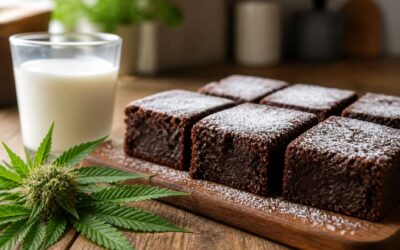
Focusing on baked goods and snacks, this category includes brownies, cookies, bars, muffins, and petit cakes. Each item can be portioned for precise dosing and stored for days, not hours.
- Brownies and blondies
- Cookies and biscotti
- Muffins and pastry bites
Labeling, shelf life, and texture influence the user journey, turning a simple bite into a moment of mindful enjoyment.
Gummies and candies
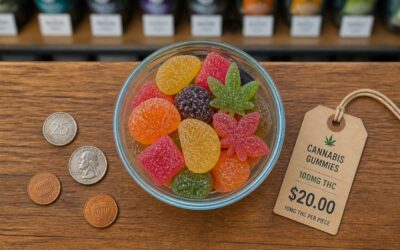
Across South Africa’s edibles landscape, gummies and candies are the bright pulse. According to a recent pulse, they now represent 28% of purchases, turning the act of dosing into a confident, everyday ritual that travels from kitchen to checkout with ease.
Within this category, gummies and candies span a spectrum from fruit-flavored bears to tart chews; each format supports precise dosing and predictable texture.
- Gummy bears and fruit chews
- Hard candies and mints
- Sour belts and wine gums
Labeling, shelf life, and texture shape the journey, turning a bite into mindful enjoyment. I savor the clarity in a label—potency, ingredients, and storage—because edibles should feel deliberate and dependable!
Beverages and tinctures
Across South Africa, edibles are moving from curiosity to commonplace, and beverages and tinctures are leading the shift. These formats blend convenience with everyday ritual, translating dose into a moment you can repeat with confidence.
Beverages deliver consistent dosing in social settings—think infused teas, sparkling sodas, and coffee blends that pair with meals or a quiet morning. The texture is invisible, but the experience is deliberate, making a steady impression without drawing attention! For shoppers, edibles or edibles are simply the same category, moving toward everyday use rather than novelty.
Within this category, consider:
- Beverages: infused teas, sparkling sodas, coffee beverages
- Tinctures: alcohol-based extracts, discreet dropper dosing
Tinctures offer flexibility for at-home regimens, with potency clearly labeled and long shelf life when stored away from heat. A few drops can provide precise control, ideal for those seeking gradual, predictable outcomes.
Chocolates and desserts
The bite itself becomes a ritual in South Africa, where edibles are transitioning from curiosity to everyday habit. Chocolates and desserts lead the way, turning a moment of indulgence into a repeatable, reverent ritual.
Within this category, expect velvet ganaches and cocoa-dusted bites that glide past your senses, leaving a trace rather than a shout. A discreet smile in a wrapper, a treat that fits into daily routines with grace.
- Dark-chocolate squares with sea salt
- Milk-chocolate bars with praline crunch
- Vegan caramel truffles
These offerings invite mindful consumption and offer a refined sweetness for those who seek consistent, elegant experiences in a world that seldom pauses.
Transdermal and non-ingestible options
In South Africa, edibles have shifted from curiosity to routine, with market insights showing a 25% uptick in everyday engagement over the past year.
Beyond the bite, transdermal and non-ingestible forms broaden the conversation about edibles. Transdermal patches deliver steady cannabinoids through the skin, bypassing digestion, while topical balms and gels offer localized effects with discretion.
Options in this realm for edibles or non-ingestible experiences include:
- Transdermal patches
- Topical balms, creams and gels
- Sublingual sprays and dissolvable films
These avenues shape a refined cadence for edibles or edible experiences, aligning with daily routines across South Africa.
Specialty and novelty edibles
The South African edibles market keeps accelerating, with a 25% uptick in everyday engagement over the past year—proof that curiosity has matured into routine. Specialty and novelty edibles behave like culinary conversations you can eat, blending storytelling with bite-sized innovation. The aim isn’t merely to ingest, but to experience, share, and remember the moment—edibles or edibles, in polite company too.
- Limited-edition flavors and seasonal releases
- Chef-led collaborations and locally sourced ingredients
- Collectible packaging and tasting experiences
In South Africa’s everyday routines, these products fit as giftable, conversation-sparking indulgences that align with social rituals, sustainability, and artisanal craft.
Dosing, potency, and safety
How to read potency on labels
Potency labels act as a compass for edibles or edibles—a single line can steer curiosity toward a safe, memorable moment! The figure on the package keeps the experience respectful, turning novelty into nuance and choice into control.
Dosing hinges on reading the label: mg per serving, total mg, and serving size. For edibles buyers, mastering these numbers makes the journey predictable. For convenience, consider this quick checklist:
- Potency per serving (mg)
- Total servings per package
- Serving size (the amount you’re taking)
- Any warnings about batch variability
Safety travels with the label. Keep products away from children, store in a cool place, and note expiry dates. The label tells part of the story; responsible handling completes it in any market.
Calculating serving sizes and microdosing
South Africa’s cannabis market shows 62% of buyers say potency labels steer their first edibles purchase. Whether you lean toward edibles or edibles, the label is your compass. Dosing, potency, and safety ride on every wrapper.
To decode the label, focus on: potency per serving, total mg, serving size, and batch variability warnings. For these products, mastering these numbers makes the journey predictable.
- Potency per serving (mg)
- Total servings per package
- Serving size
- Batch variability warnings
Safety travels with the label: keep away from children, store in a cool place, and note expiry dates. The label tells part of the story; responsible handling completes it in any market. Calculating serving sizes and microdosing, in theory, hinges on ratios and patience—read the numbers, respect your tolerance, and let the label steer you.
Overconsumption signs and safety steps
Across South Africa, potency labels steer choices—62% of buyers say they guide their first edibles purchase. Dosing, potency, and safety ride on every wrapper, turning a simple treat into a measured experience.
To decode the label, the essential metrics matter: potency per serving, total mg, serving size, and batch variability warnings. Whether you choose edibles or edibles, the path hinges on reading these figures with calm and patience. Overconsumption signs can surface as a clamor of effects—rapid heartbeat, dizziness, or unsettled anxiety.
- Rapid heartbeat or dizziness
- Intense anxiety or paranoia
- Disorientation or confusion
Safety steps accompany the numbers: keep away from children, store in a cool place, and note expiry dates. The label tells part of the story; responsible handling completes it in any market.
Tolerance and metabolism considerations
Potency labels double as civility tests for South Africa’s table talk: they demand restraint before the first bite. In the realm of edibles, anticipation is a quiet virtue, and every wrapper whispers a cautionary tale about dosage and manners!
Dosing is a delicate negotiation between label data and biology. Potency per serving matters, but metabolism—the body’s speed at processing cannabinoids—determines how long the experience lingers. Tolerance can nudge the memorable moments toward the graceful or the unruly for contexts.
Safety steps accompany the numbers: keep these treats away from children, store them cool, and note expiry dates. The label tells part of the story, but etiquette and metabolism complete the tale for South Africans navigating them within social and professional circles.
Age and medical considerations
Across small-town kitchens and urban flats, dosing becomes a quiet negotiation. ‘Taste the moment, not the moment tasting you,’ an elder once whispered. The potency label offers a guide, but biology scribbles its own map. For edibles, how quickly you feel it and how long it lasts depend on metabolism, not willpower, and age can tilt the balance toward gentler or louder moments.
Age and medical considerations are not afterthoughts; they are part of the conversation. I’ve watched families in Karoo kitchens weigh risks before sharing a treat with someone on medications or living with conditions that alter processing.
- Age and health considerations
- Medications that interact
- Storage and expiry awareness
Ultimately, the label tells part of the story, while empathy, legality, and personal physiology complete it as South Africans share moments around the table.
Storage to preserve potency and freshness
An elder’s whisper lingered: taste seasons the moment with memory. In South Africa’s kitchens, dosing edibles is a quiet calibration between biology and setting. Potency on a label is a map, not a master; how you feel hinges on metabolism, age, and tolerance, not willpower. The moment you bite, you negotiate a personal timeline—a gentler lift for some, a louder note for others.
For those choosing edibles, storage and expiry awareness matters. Potency can drift with time, light, and packaging, even as flavors hold. The label guides, but physiology completes the story, so readers should measure expectations against experience rather than certainty.
- Potency drift over time
- Label clarity versus real effects
- Expiration and freshness signals
Legality, regulation, and quality
Legal status by region
“Policy moves slowly; appetite moves faster,” a regulator once observed. In a landscape that shifts like tides, these products sit at the crossroads of appetite and policy. In South Africa, private use has become a talking point, while selling, advertising, and public distribution remain tightly regulated, shaping how products reach consumers.
Whether you call them edibles or edibles, the market hinges on clear standards that protect consumers. Regional frameworks vary widely:
- South Africa: private use is tolerated in practice, but commercial sale remains heavily restricted and closely monitored.
- Canada and many US jurisdictions: formal licensing, product testing, labeling, and potency limits are common features.
- Europe: a mosaic of rules—medical access in some countries, strict controls or outright bans in others, with enforcement differing by region.
Quality and regulation run in tandem—traceable ingredients, accurate labeling, and packaging designed to prevent accidental ingestion are essential to credibility and safety across markets.
Regulatory compliance and labeling
In a market where flavor competes with regulation, trust travels faster than a rumor. A recent SA industry survey found consumer confidence rises by 28% when edibles carry transparent testing and clear origin.
Legality shifts like tides across borders. In South Africa, private use is tolerated, but commercial sale remains tightly controlled; elsewhere, licensing, testing, and potency limits shape what can reach shelves.
Quality and regulation walk hand in hand across these products, demanding traceability and accurate labeling.
- Traceable ingredients from seed to sale
- Accurate labeling of potency and allergens
- Tamper-evident, child-resistant packaging
Together, these standards build credibility and safety in the landscape.
Lab testing and cannabinoid profiles
In South Africa, consumer confidence rises by 28% when edibles carry transparent testing and clear origin, a sign that regulation and trust travel fast in this market.
Legality shifts like tides across borders. In SA, private use is tolerated, but commercial sale remains tightly controlled; elsewhere, licensing, testing, and potency caps shape what reaches shelves.
- Traceable ingredients from seed to sale
- Accurate labeling of potency and allergens
- Tamper-evident, child-resistant packaging
Quality and regulation walk hand in hand, underscoring the need for robust lab testing and clear cannabinoid profiles to ensure safety and consistency in the market.
Avoiding contaminants and quality issues
In SA, consumer confidence climbs 28% when products carry transparent testing and clear origin—a sign that regulation travels fast in this market. Legality shifts like tides across borders: private use is tolerated locally, but commercial sale remains tightly controlled; elsewhere, licensing, testing, and potency caps shape what reaches shelves.
To navigate this landscape, three pillars guide the market:
- Traceable ingredients from seed to sale
- Accurate labeling of potency and allergens
- Tamper-evident, child-resistant packaging
Quality and regulation walk hand in hand, underscoring the need for robust lab testing and clear cannabinoid profiles to ensure safety and consistency in the edibles market.
Buying from reputable sources
Legality in South Africa drifts like fog along the coast of commerce. For edibles, private use is tolerated while commercial sale remains tightly regulated; licensing, testing, and potency caps shape what crosses borders. Consumer confidence climbs 28% when products carry transparent testing and clear origin—proof that regulation travels fast in this market.
To buy edibles from reputable sources, let the COA be a compass: independent lab results, batch and origin details, and packaging that shows clear potency and allergen information. When doubt appears, walk away—safety outruns appetite.
- Verified COAs from accredited labs
- Clear origin and batch traceability
- Tamper-evident, child-resistant packaging
Responsible use and avoiding impairment
South Africa’s legal landscape for edibles is a tide that shifts with the wind—private use drifts open while commercial sale remains guarded behind licensing gates. In this climate, quality and trust become a compass you can rely on, not a whim you chase.
Legality aside, regulation and quality go hand in hand. For edibles, look for verified COAs from accredited labs, clear origin and batch traceability, and packaging that reveals potency and allergens. When a product tells its story transparently, you can walk the shore with confidence—no fog, only truth.
- Verified COAs from accredited labs
- Clear origin and batch traceability
- Tamper-evident, child-resistant packaging
Responsible use and avoiding impairment are anchored in regulation and labeling, not in guesswork. Clear information isn’t a suggestion—it’s a safeguard for consumers and communities across South Africa.
Cooking, recipes, and practical tips
Infusing butter and oil for homemade edibles
Across South Africa’s kitchens, the allure of infusing fats has grown into a quiet rebellion against the ordinary. A recent home-cook survey suggests roughly 30% are curious about turning butter or oil into something more expressive—edibles or edibles, as some call it, waiting to unfold.
Choosing a fat sets the tone. Butter brings richness, coconut oil carries a clean carry, and olive varieties offer drizzle-friendly neutrality. The flavor should linger without overpowering, allowing herbs and citrus to stroll beside the fat rather than shout over it. Subtlety wins.
Patience matters more than speed in the prep. Consider these elements as you plan, then let the kitchen speak in its own tempo.
- Flavor balance with your main dish
- Potency awareness across servings
- Storage and light exposure to preserve freshness
Trial and error: how to adjust for taste and potency
Edibles beckon the senses to a slower, subtler pace. In South Africa’s kitchens, 30% of home cooks admit they’re toying with infusions, chasing a harmony where flavor and effect mingle like dusk over the Karoo. The trick is not abruptness but invitation—letting every bite carry a whisper of citrus, herb, and warmth.
Trial and error becomes a spellbook: taste on the tongue, note the linger, then coax the next batch with memory rather than rulebooks. Record-keeping is the quiet loyalty of the kitchen—what pleased the palate, what pulled too far, what remains delicate in the afterglow.
In the stove-top theatre, flavors drift into the realm of mood and memory. Here’s what to notice on your plate:
- aroma and mouthfeel
- lingering finish
- harmony with accompanying dishes
Cooking tips for even dosing
Cooking with edibles calls for a studied grace—measure like a jeweler and season like a poet. In South Africa’s kitchens, 30% of home cooks admit they’re toying with infusions, a reminder that edibles are as much about craft as science. Begin with a careful integration of cannabinoids into a neutral fat, ensuring even distribution. Consistent dosing is a quiet luxury that turns a simple bite into a memorable ritual.
Principles for even dosing unfold softly in the kitchen:
- Consistency comes from balance and patience
- Texture and mouthfeel should harmonize with the chosen dish
- Aroma and finish guide the storytelling of each bite
Patience—taste, aroma, and texture—will reveal the balance. When done well, edibles invite conversation and linger on the palate, rather than delivering a jolt. What a balance this yields!
Flavor masking and pairing ideas
South Africa’s kitchens hum with a subtle revolution—30% of home cooks admit they’re toying with infusions, turning a simple bite into a quiet, memorable ritual. For edibles, start by marrying cannabinoids into a neutral fat so they distribute evenly, not crash the palate. Butter, canola, or coconut oil provide the blank canvas. Keep temperatures gentle to preserve flavor and potency; stir, taste, and let patience do the heavy lifting.
Flavor masking and pairing ideas turn cooking into storytelling. Consider citrus zest to brighten earthy profiles, dark chocolate to counter bitterness, roasted nuts for texture, and fresh herbs to finish with a savory kiss. The aim is a cohesive mouthfeel—creamy where needed, snappy where it matters—so each bite feels crafted rather than accidental. These edibles become more than snacks; they become conversations on a plate.
- Bright citrus notes lift earthy tones
- Dark chocolate or coffee accents for depth
- Toasted nuts add body and crunch
- Herbal oils finish with brightness
Storage and shelf life of homemade edibles
In South Africa, a quiet kitchen revolution is taking root: more than a third of home cooks are exploring infusions, turning a simple bite into a memorable ritual. These edibles aren’t merely snacks—they’re conversations on the plate, each bite revealing a little more about technique, patience, and flavor. Start by marrying cannabinoids into a neutral fat so edibles distribute evenly, then let the slow heating and careful tasting guide you.
Recipes flourish when you treat flavor as a partner to potency. Gentle temps preserve both, and a small, deliberate batch teaches you how to balance citrus brightness, chocolate depth, and nut texture. Keep notes as you go; the aim is harmony—creamy where it matters, snappy where it shines—so every edible feels thoughtfully crafted, never accidental.
- Label and date every batch to track potency and freshness.
- Store in airtight, amber containers away from light and heat.
- Refrigerate for up to 1–2 weeks; freeze portions for longer shelf life.
- Divide into single-serving portions to avoid repeated thawing.
- Test potency with micro-doses before scaling up your recipe.
Tips for hosting safe, informed consumption
Across South Africa, a quiet culinary revolution is unfolding. More than a third of home cooks are exploring infusions, turning a simple bite into a shared ceremony. Edibles become conversations on the plate—each bite revealing a moment of technique, patience, and flavor.
Cooking with edibles is a practice in balance. Generous tasting notes and respectful pacing invite guests to savor the journey rather than rush to the finish.
- Label every batch and keep non-infused options on hand
- Offer tasting notes to guide flavor and aroma
- Provide a clear safety reminder about responsible consumption
Treat each batch as a dialogue: citrus brightness and chocolate depth playing against creamy textures. Keep a modest note of your findings to guide future gatherings; the art of edibles grows with memory.


0 Comments