Understanding the Differences Between Edibles and Alcohol
What Are Edibles? – Definition, common types, and popularity
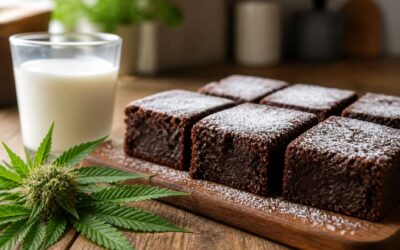
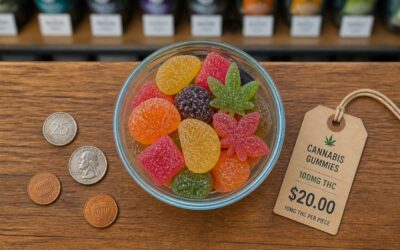
In the labyrinth of modern intoxicants, the distinction between edibles or alcohol often blurs, yet each harbors a unique psychological and physiological footprint. Edibles, defined as food products infused with cannabis or other psychoactive substances, have surged in popularity, especially among those seeking a discreet, slow-release alternative to traditional consumption methods. Their allure lies in their ability to blend into everyday routines—delicious brownies, gummies, or teas—transforming the act of getting high into an almost culinary experience.
Conversely, alcohol remains a cornerstone of social rituals, its effects immediate and visceral, often accompanied by a sense of camaraderie or introspection. What makes edibles or alcohol so compelling is the stark contrast in their delivery and impact: while alcohol’s rapid onset can evoke impulsive behavior, edibles’ delayed effects demand patience and a different kind of psychological engagement. Understanding these nuances enriches our grasp of how each influences mood, perception, and social interaction—an essential consideration for anyone navigating the intoxicating landscape of modern South Africa.
What Is Alcohol? – Types of alcoholic beverages, and their cultural significance
Alcohol, the age-old social lubricant, has woven itself into the fabric of South African culture with a flair that’s as vibrant as a braai on a summer’s day. From the bubbly champagne to the rugged craft beers, each type of alcoholic beverage carries its own cultural significance—whether it’s celebrating a wedding, drowning sorrows, or simply unwinding after a hard day. The most common types include wine, beer, spirits like whisky and brandy, and the ever-popular ciders—each offering a different flavor of tradition and camaraderie.
What makes alcohol truly fascinating is its immediate impact—sipping a cold one kicks in fast, often sparking spontaneous dance moves or heartfelt conversations. But, let’s not forget the curious case of edibles or alcohol—each with a very different way of influencing mood, perception, and social interaction. While alcohol’s effects are instant, edibles require patience, sometimes testing one’s self-control and anticipation. It’s a dance of delayed gratification versus instant gratification, both equally compelling in their own right.
Key Differences – Consumption methods, effects, health implications
In the grand tapestry of social rituals, edibles or alcohol evoke contrasting yet equally powerful sensations. While alcohol’s effects are swift—a fleeting rush that ignites spontaneous laughter or dance—edibles unfold their magic slowly, like a sunrise gradually painting the sky. The difference lies not only in their consumption methods but in the very essence of their impact on mind and body.
Alcohol is often consumed through a straightforward process—pour, sip, and feel the immediate warmth spread. Edibles, however, require patience—a delicate dance of anticipation as the effects build gradually, sometimes taking up to an hour or more to fully manifest. This delayed response demands a different kind of mindfulness, a test of self-control and foresight.
Health implications are another stark contrast: alcohol’s quick intoxication can lead to reckless decisions, while edibles’ prolonged effects necessitate moderation and awareness of potency. Whether you prefer the instant gratification of alcohol or the slow burn of edibles, understanding these key differences is vital. After all, each offers a unique journey—one that beckons with thrill, reflection, or camaraderie.
Health and Safety Considerations
Health Risks of Edibles – Overdose potential, delayed effects, and safety tips
When it comes to edibles or alcohol, understanding the health and safety risks is crucial. Unlike drinking alcohol, which can produce immediate effects, edibles often have a delayed onset. This delay can lead to accidental overconsumption, as users may not feel the effects right away and then take more, risking an overdose. Overdose potential with edibles is a serious concern, especially since the potency can vary widely and effects can last longer than expected.
Safety tips for consumers include starting with a low dose and waiting at least two hours before considering more. It’s also important to keep edibles or alcohol out of reach of children and unintentional consumers. Recognizing the signs of overconsumption—such as confusion, dizziness, or nausea—can prevent more severe health issues. Remember, moderation and awareness are the best tools to navigate the complex landscape of edibles or alcohol safely. The political debate around regulation highlights the importance of informed use and responsible consumption for everyone’s well-being.
Health Risks of Alcohol – Liver health, addiction potential, and binge drinking dangers
Alcohol consumption remains a cultural cornerstone across South Africa, yet its health implications are often underestimated. Excessive drinking can severely impact liver health, with conditions like fatty liver disease and cirrhosis becoming increasingly prevalent. The addiction potential of alcohol also cannot be ignored, as it has a profound capacity to foster dependency, especially when consumed in binge drinking sessions. Such behaviors pose serious risks, not only to physical health but also to mental well-being.
Furthermore, the dangers of binge drinking are well-documented, leading to accidents, injuries, and even fatalities. It’s essential to recognize that alcohol’s effects can escalate quickly, impairing judgment and coordination. Interestingly, some individuals overlook the cumulative damage caused by prolonged alcohol abuse, which can undermine overall health and quality of life. For those navigating the complex landscape of edibles or alcohol, understanding these risks underscores the importance of moderation and informed choices in safeguarding long-term health.
Comparative Safety – Understanding moderation, legal age requirements, and best practices
Understanding moderation when it comes to edibles or alcohol is essential for safety and well-being. While both are widely used recreational substances in South Africa, their effects can vary dramatically depending on how they are consumed. Excessive intake not only heightens health risks but also impairs judgment and coordination, increasing the likelihood of accidents.
Legal age requirements serve as a critical safeguard, ensuring individuals are mature enough to make informed decisions about their consumption. In South Africa, the legal drinking age is 18, and adherence to this regulation helps prevent early dependency. Best practices include consuming in controlled environments, avoiding mixing substances, and knowing one’s limits. By respecting these boundaries, users can reduce the potential for overdose or adverse reactions—especially important with edibles or alcohol, where delayed effects may catch users off guard.
- Know your personal tolerance levels.
- Stay within legal boundaries.
- Always consume in safe, familiar settings.
As awareness grows around the risks associated with edibles or alcohol, fostering a culture of responsibility becomes more vital than ever. It’s about balancing personal freedom with the collective safety of the community—something every South African should consider carefully.
Legal Aspects and Regulations
Legal Status of Edibles – Varying laws across regions, legalization trends
Beneath the shadowed veneer of legality, the realm of edibles or alcohol is riddled with a labyrinth of regulations that shift like a restless ghost across regions. In South Africa, the legal status of edibles fluctuates, caught in a delicate balance between emerging acceptance and archaic prohibition. While some jurisdictions inch towards legalization, others cling tenaciously to strict controls, casting a pall over the burgeoning industry.
Across the globe, trends lean towards the normalization of edibles as medicinal and recreational remedies, yet the legal landscape remains tumultuous. Governments grapple with balancing public safety against personal freedom, often enacting complex frameworks that govern sale, possession, and consumption. For instance, in certain parts of South Africa, the sale of edibles or alcohol to minors remains a grave violation, punishable by severe penalties.
- Legal age restrictions
- Restrictions on advertising and packaging
- Limits on potency and possession quantities
As the tides of legalization surge forward, understanding these legal nuances becomes paramount—lest one falls prey to the shadowy consequences of unregulated indulgence. The dance of law and liberty continues, echoing through the corridors of authority and the night-worn streets where these substances are often sought in secrecy.
Alcohol Regulations – Age restrictions, advertising limits, and licensing
In the wild west of edibles or alcohol regulation, navigating legal boundaries feels like walking a tightrope—blindfolded. South Africa, with its eclectic mix of progressive whispers and conservative shouts, exemplifies this tumultuous landscape. The rules aren’t just written in stone; they’re often scribbled on the back of a napkin, leaving consumers and vendors alike guessing what’s legal today versus tomorrow.
Legal age restrictions are the backbone of any responsible society’s approach to edibles or alcohol. In South Africa, the minimum legal drinking age is set at 18, but enforcement can be as elusive as a unicorn—especially when it comes to edibles, where the lines are even blurrier. Add to that the tight reins on advertising and packaging, designed to prevent minors from being lured into a sugary trap or a boozy binge. These restrictions aim to curb underage consumption, but they also create a thriving black market where rules are more like suggestions than laws.
To keep things in check, authorities impose limits on potency and possession quantities. For edibles or alcohol, this might mean a cap on the amount you can legally carry or purchase—think of it as the government’s way of saying, “Enjoy responsibly, or face the music.”
- Age restrictions ensure minors aren’t seduced by the allure of edibles or alcohol.
- Advertising limits prevent glamorization that might tempt impressionable eyes.
- Possession and potency caps keep consumption within a safe, manageable scope.
In this ever-evolving regulatory arena, understanding these legal nuances is crucial. After all, one person’s weekend indulgence could be another’s legal headache, especially when it involves the delicate dance of law and liberty in South Africa’s unique context.
Legal Considerations for Consumers – Traveling with edibles or alcohol, and avoiding legal issues
Traveling with edibles or alcohol in South Africa can be a legal minefield. With regulations that seem to shift like sand, understanding the legal considerations is essential to avoid costly mistakes. The last thing anyone wants is to face legal trouble on vacation or during a move—especially when laws around edibles or alcohol are so nuanced and regional.
It’s crucial to recognize that laws vary significantly between provinces and borders. For example, what’s permissible in Johannesburg might not be in Cape Town or Limpopo. Before packing, ensure you’re aware of current regulations surrounding possession, quantities, and transportation limits for edibles or alcohol. South African authorities often impose strict penalties for exceeding these limits, so ignorance isn’t an excuse.
When traveling, always keep your edibles or alcohol in their original packaging, with clear labeling. This simple step can make a difference if you’re stopped or questioned by customs or law enforcement. Remember, carrying more than the legally permitted amount can lead to serious legal issues, including fines or even criminal charges.
- Check the latest local laws regarding edibles or alcohol before travel.
- Keep products in sealed, original packaging.
- Know the maximum allowable quantities for possession and transport.
- Be aware that some regions have stricter regulations—always stay informed.
Ultimately, understanding the legal landscape around edibles or alcohol in South Africa isn’t just about compliance; it’s about protecting yourself from unintended consequences. Navigating these regulations can feel like walking a tightrope, but staying informed ensures you can enjoy responsibly without risking legal repercussions.
Effects and Experiences
Physiological Effects of Edibles – Onset time, duration, and intensity
The physiological effects of edibles or alcohol can vary widely, making them unpredictable for many users. Unlike smoking or drinking, edibles have a delayed onset—sometimes taking up to two hours before effects become noticeable. During this period, the potency is building, often leading to an unexpectedly intense experience if consumed in excess. Once the effects hit, they tend to last longer than those from alcohol, often stretching over several hours. This prolonged duration can catch users off guard, especially if they are unfamiliar with how edibles or alcohol influence their body.
The intensity of these effects depends on numerous factors, including body weight, metabolism, and tolerance levels. For instance, edibles produce a slow, steady rise in blood THC levels, resulting in a more intense and sustained experience compared to alcohol. Conversely, alcohol’s effects are quicker but shorter-lived, with a noticeable decline after a few hours. Understanding these physiological differences helps consumers gauge their limits and avoid overindulgence, ensuring a safer and more predictable experience with edibles or alcohol.
Physiological Effects of Alcohol – Intoxication, impairments, and hangover
The physiological effects of alcohol can hit quickly, often within minutes, leading to rapid intoxication. This swift onset impairs coordination, judgment, and reaction times—precisely what makes alcohol so unpredictable in social settings. The impairments can range from mild dizziness to severe loss of motor skills, increasing the risk of accidents and poor decision-making. A hangover often follows, marked by headache, dehydration, and fatigue, long after the effects have worn off.
Unlike edibles or alcohol, which influence the body differently, alcohol’s effects are short-lived but intense. For some, the experience can feel exhilarating, yet for others, it quickly turns uncomfortable due to overconsumption. When drinking heavily or binge drinking, the risks multiply. For example, alcohol can cause dehydration and liver strain, further compounding health concerns. Understanding these effects helps consumers navigate their limits and avoid dangerous overindulgence.
Comparing the Experience – Mental state, social impacts, and recommended usage
When it comes to shaping social experiences, few substances wield such a paradoxical influence as edibles or alcohol. While alcohol often delivers an immediate, fiery rush—like a sudden gust of wind—edibles tend to be more like a slow-burning ember, smoldering before igniting. The mental state induced by each can vary dramatically; alcohol may lift inhibitions and foster camaraderie, but it can also cloud judgment with startling speed. Conversely, edibles often produce a tranquil, contemplative high, allowing users to drift into a different mental realm entirely.
Social impacts differ profoundly: alcohol’s quick intoxication can spark lively conversations or, regrettably, reckless behavior. Meanwhile, edibles tend to promote a more relaxed, introspective mood—sometimes perfect for unwinding, other times awkwardly distancing. The key lies in understanding the best context for each. For those new to either, moderation remains paramount, as the effects can be unpredictable—especially with edibles or alcohol, where overindulgence might lead to undesirable consequences.
- Altering mental clarity
- Shaping social interactions
- Determining safe and enjoyable usage
In the end, whether choosing edibles or alcohol, knowing how they influence the mind and social fabric can turn a simple gathering into an experience worth savoring—without the unwelcome aftermath. The subtle nuance lies in appreciating the unique character of each, and the social dance they inspire.
Usage Tips and Best Practices
Consuming Edibles Responsibly – Dosing advice, setting, and awareness
Safety and mindfulness are paramount when venturing into the realms of edibles or alcohol. The unpredictable nature of edibles, with their delayed onset and potent effects, calls for a measured approach. It’s wise to start with a low dose—perhaps a quarter or half of a standard serving—and wait patiently, sometimes up to two hours, before considering more. This pause ensures that the experience remains manageable and enjoyable, not overwhelming.
Creating a comfortable setting amplifies the experience’s positive aspects. Whether it’s a quiet evening at home or surrounded by trusted friends, the ambiance can influence your journey profoundly. Recognizing your own limits, particularly with alcohol, is equally vital—overindulgence can shift delight into discomfort or danger.
In the end, respect for the substance, awareness of your physiology, and a commitment to moderation form the truest safeguards in exploring the nuanced worlds of edibles or alcohol.
Drinking Alcohol Safely – Pacing, staying hydrated, and avoiding dangerous combinations
In the world of edibles or alcohol, pacing is the secret to a memorable and safe experience. Rushing through drinks or consuming large amounts of edibles can lead to unintended discomfort or health risks. To navigate this landscape wisely, it’s essential to sip slowly, savoring each moment, and to stay mindful of your limits. Hydration plays a pivotal role—keeping a glass of water nearby ensures you stay balanced and reduces the chances of hangovers or unwanted effects.
For those exploring alcohol or edibles, it’s also wise to avoid dangerous combinations. Mixing alcohol with certain medications or other substances can amplify impairments, making the journey unpredictable. Remember, moderation isn’t just a guideline—it’s the compass that keeps your adventures safe and enjoyable. In regions with varying legal landscapes, understanding the rules surrounding edibles or alcohol consumption adds an extra layer of safety, ensuring your experience remains within legal bounds while still being enriching.
Combining Edibles and Alcohol – Risks, effects, and health advice
Combining edibles or alcohol can seem straightforward, but it’s a game of subtlety and awareness. The risks escalate when these substances are mixed without proper knowledge—effects can become unpredictable, and health complications may arise. For instance, consuming edibles or alcohol together can intensify impairments, making it harder to gauge your limits. This is especially true given that edibles often have delayed onset times, which can lead to accidental overconsumption if not carefully monitored.
To navigate this terrain responsibly, consider pacing your intake. Starting with small doses and waiting to observe effects helps prevent unwanted side effects. Hydration is equally crucial—keeping water close by can mitigate dehydration and reduce hangover severity. Remember, moderation isn’t just a guideline; it’s a vital principle when dealing with edibles or alcohol. Knowing your personal tolerance and avoiding dangerous combinations ensures a safer, more controlled experience. Ultimately, understanding these best practices can turn what might be a risky encounter into a genuinely enjoyable one.
Market Trends and Future Outlook
Growth of Edibles Market – Popular products, consumer demographics, and innovation
The edibles market is experiencing an unprecedented surge, driven by a cultural shift towards mindful consumption and innovative product development. As consumers become more discerning, the demand for diverse edibles or alcohol options continues to grow, reflecting evolving tastes and health consciousness. In South Africa, this trend is further amplified by a burgeoning artisan scene that emphasizes quality, sustainability, and unique flavor profiles. Popular products now range from artisanal chocolates infused with cannabis to sophisticated beverages that blur the lines between traditional alcohol and novel edible experiences.
Demographically, younger adults and health-focused consumers are leading the charge, seeking alternatives that align with their lifestyles. This dynamic shift opens up a landscape ripe for innovation, such as low-dose edibles or organic alcohol variants, which cater to a diverse array of preferences. The future outlook suggests a vibrant trajectory for this sector, bolstered by legislative changes and increasing acceptance. As the market matures, expect to see a proliferation of products that combine functionality with sensory pleasure, making edibles or alcohol a staple of modern recreational and wellness paradigms.
Changing Alcohol Trends – Low-alcohol options, premium spirits, and cultural shifts
The landscape of alcohol consumption is undergoing a poetic renaissance, where tradition intertwines with innovation to craft a future filled with tantalizing possibilities. Within this vibrant tapestry, low-alcohol options are gaining momentum, offering a delicate balance between enjoyment and moderation. These beverages, often infused with subtle botanical notes, cater to the modern connoisseur’s craving for sophistication without the heaviness of traditional spirits. In South Africa, this shift is not merely a trend but a cultural awakening that embraces mindful drinking—an ode to balance and wellness.
As the appetite for premium spirits surges, producers are exploring new frontiers—blurring the lines between classic alcohol and novel edible experiences. This evolution is driven by a cultural shift towards health-conscious choices and a desire for sensory richness. The future of alcohol is poised to be a mosaic of artisanal craftsmanship and innovative techniques, with products that cater to a diverse demographic seeking both luxury and authenticity. Expect to see a proliferation of organic alcohol variants and sophisticated, low-dose options that whisper elegance with every sip.
- Enhanced flavor profiles rooted in sustainability and local ingredients
- Growing acceptance of culturally infused spirits
- Integration of wellness elements into traditional alcohol offerings
In this era of transformation, the concept of drinking is evolving from mere recreation to an immersive experience—one that celebrates taste, health, and cultural identity. Whether it’s a delicate, organic wine or an artisanal craft spirit, these emerging trends promise a future where edibles or alcohol become more than just a choice—they become a statement of mindful luxury and innovative artistry.
Impact of Legislation – How laws influence market dynamics and consumer choices
Legislation continues to be a pivotal force shaping the future landscape of edibles or alcohol markets across South Africa. As governments tighten or relax regulations, consumer choices are simultaneously constrained and liberated, creating a dynamic environment for innovators and traditional producers alike. Recent shifts towards legalizing and regulating edibles—such as infused chocolates, gummies, and tinctures—are opening new avenues for economic growth and cultural expression.
In regions where laws are more progressive, there’s a noticeable surge in the availability of artisanal and organic options, reflecting a broader societal push toward health-conscious consumption. Conversely, stringent legislation can stifle innovation, limiting access to novel products and driving underground markets underground. Interestingly, some jurisdictions are adopting a phased approach, gradually expanding legal boundaries to include low-dose edibles or alcohol-infused confections, which appeal to a diverse demographic seeking both sophistication and safety.
Guidelines often influence market trends through
- age restrictions
- advertising limits
- licensing procedures
These legal frameworks not only safeguard public health but also shape consumer perceptions and purchasing behaviors. As the legal tide shifts, it is clear that the interplay between legislation and market dynamics will continue to define the evolution of edibles or alcohol, with innovation thriving alongside regulatory safeguards to meet the demands of a more mindful, culturally attuned audience.


0 Comments